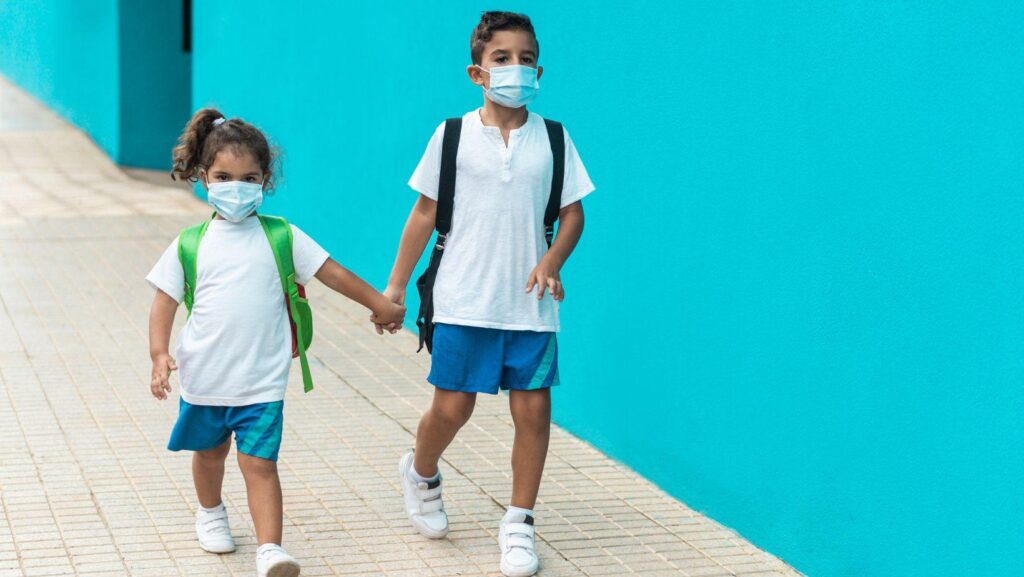
Shigella outbreaks can spread quickly, especially in places where children spend time together. Daycares, schools, camps, playgrounds, and shared family spaces can make it easier for germs to move from one child to another. Children are still learning hygiene habits, and they often touch the same toys, surfaces, food containers, and bathroom areas. That makes Shigella a serious concern for parents and caregivers.
For many adults, a stomach illness may feel like a short-term problem. For children, it can become more serious because their bodies are smaller and they may get dehydrated faster. A child may also have trouble explaining symptoms clearly, which can delay care. Understanding why children face higher risks during Shigella outbreaks can help families act sooner and reduce the chance of the illness spreading.
1. Tiny Hands Spread Germs Faster Than Adults Realize
Children touch almost everything around them. They may touch toys, desks, door handles, playground equipment, bathroom surfaces, and then their face or food. Even when adults remind them to wash their hands, younger children may rush or miss important steps. This makes it easier for Shigella bacteria to spread in busy child-centered spaces.
When a child becomes sick after exposure to contaminated food, unsafe conditions, or poor sanitation, parents may also have legal questions. The Lange Law Firm helps families understand foodborne illness claims, including cases involving Shigella. Legal guidance may be helpful when an outbreak is connected to a restaurant, daycare, school, food company, or another source that may have failed to follow safety practices.
2. Shared Spaces Can Turn One Illness Into Many
Children often spend time in close contact with each other. They sit near classmates, share supplies, play with the same items, and use the same bathrooms. If one child is infected, germs may spread before anyone realizes there is an outbreak. This is one reason daycares and schools must take stomach illness seriously.
A shared space does not have to be dirty to become risky. Shigella can spread when cleaning is rushed, handwashing is poor, or sick children return too early. Surfaces that seem harmless may become part of the problem. Careful cleaning, hand hygiene, and illness reporting can help reduce the spread.
3. Young Children May Not Explain Symptoms Clearly
A child may not know how to describe stomach pain, cramps, nausea, or feeling weak. They may simply cry, refuse food, sleep more, or become irritable. Parents may first think the child is tired or has a mild stomach bug. This can make it harder to recognize Shigella early.
Common symptoms parents should watch for include:
- Diarrhea, sometimes with blood or mucus
- Fever or chills
- Stomach cramps or pain
- Nausea or vomiting
- Loss of appetite
- Unusual tiredness or weakness
- Signs of dehydration
- More crying, fussiness, or discomfort than usual
These symptoms should be taken seriously, especially if other children nearby are also sick. Parents should contact a healthcare provider if symptoms are severe, bloody, or lasting longer than expected. Early medical care can help protect the child and create records of the illness. It can also help health officials identify whether an outbreak is happening.
4. Dehydration Can Happen Quickly
Children can become dehydrated faster than adults because their bodies are smaller. Diarrhea, vomiting, fever, and poor fluid intake can quickly reduce the fluids their body needs. A child may seem tired, dizzy, dry-mouthed, or less interested in drinking. They may also urinate less than usual.
Dehydration can become dangerous if it is not treated. Parents should watch closely for warning signs and ask for medical help when needed. In some cases, a child may need oral rehydration solutions or medical treatment. Quick action can prevent a stomach illness from becoming a more serious health issue.
5. Hygiene Habits Are Still Developing
Children are still learning how to wash their hands properly. They may forget to use soap, wash too quickly, or touch surfaces again right after washing. They may also put fingers, toys, pencils, or other objects near their mouth. These habits make it easier for bacteria to enter the body.
Adults play an important role in reducing this risk. Teachers, caregivers, and parents should remind children to wash hands after using the bathroom, before eating, and after playing outside. Bathrooms and diaper-changing areas should also be cleaned carefully. Good hygiene routines can make a big difference during an outbreak.
6. Outbreaks Can Disrupt More Than Health
When a child gets sick from Shigella, the impact can reach the whole family. Parents may miss work, siblings may need to stay home, and the child may miss school or daycare. Medical bills, testing, transportation, and follow-up care may also add stress. Even after symptoms improve, families may worry about whether the illness will spread at home.
The emotional stress can also be heavy. Parents may feel guilty, angry, or confused about how the child became sick. If the illness is linked to a food source, daycare, school, or public outbreak, families may want answers. Clear medical records, symptom notes, receipts, and communication from schools or health departments may help show what happened.
Why Children Need Extra Protection During Shigella Outbreaks
Children face higher risks during Shigella outbreaks because they share spaces, touch surfaces often, and may not fully understand hygiene habits yet. Their symptoms may also be harder to recognize early, and dehydration can develop faster. These risks make prevention, early care, and careful monitoring especially important. Parents and caregivers should treat stomach illness seriously when several children become sick around the same time.
Families can help by encouraging handwashing, keeping sick children home, saving medical records, and reporting possible outbreak concerns. Schools, daycares, and food providers also have a responsibility to follow safe cleaning, food handling, and illness control practices. When safety failures lead to illness, families deserve clear answers. Protecting children during an outbreak starts with fast action, good records, and attention to symptoms that should not be ignored.