Recovering after surgery can feel uncomfortable, tiring, and confusing. Some pain, swelling, bruising, and weakness may be expected depending on the procedure. But not every symptom should be brushed aside as normal healing. Sometimes the body gives warning signs that something may be wrong.
Patients and families do not need to diagnose the problem on their own. They just need to know when a symptom deserves attention. A change in pain, breathing, wound appearance, alertness, or energy can be important after surgery. When something feels unusual or keeps getting worse, it is safer to contact a medical provider and ask for clear guidance.
1. Pain That Changes Instead of Slowly Improving
Pain is common after surgery, but it should usually become more manageable over time. A sudden increase in pain may be a warning sign, especially if it feels sharp, deep, spreading, or different from the original surgical pain. Pain that does not respond to medication may also deserve attention. The concern is not just that the patient hurts, but that the pain pattern has changed.
Patients should write down when the pain started, where it is located, and what makes it worse. This can help doctors decide whether the pain is part of normal healing or a possible complication. Pain with fever, swelling, drainage, weakness, or shortness of breath should be reported quickly. A clear description can help prevent important symptoms from being dismissed.
2. A Wound That Looks Angrier by the Day
A surgical incision may look red or swollen at first, but it should not keep getting worse. Increasing redness, warmth, pus, foul odor, opening skin, or worsening tenderness may suggest infection or poor healing. Some infections start small and become more serious if they are not treated early. That is why families should check the wound as instructed and speak up when changes appear.
It may help to take photos of the incision once a day under similar lighting. Photos can show whether redness is spreading or swelling is increasing. Patients should also keep notes about fever, chills, drainage, or new pain around the wound. These details can help the care team understand whether the wound is healing normally.
3. Breathing Problems That Are Not Just “Post-Surgery Tiredness”
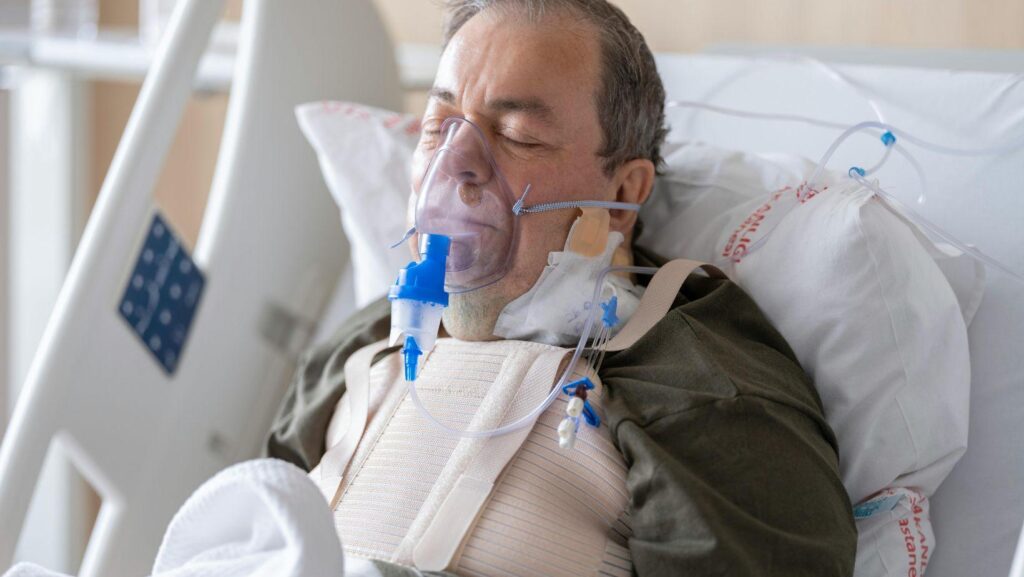
Shortness of breath after surgery should be taken seriously. A patient may feel tired after anesthesia, but struggling to breathe, chest tightness, blue lips, fainting, or sudden weakness can signal a serious problem. Breathing issues may involve medication effects, infection, blood clots, heart strain, or anesthesia-related complications. These symptoms should not be minimized.
If a patient’s breathing concerns were ignored or treatment was delayed, Coates & Johnson PLLC may help review whether post-surgery care was handled properly. The review may include nursing notes, discharge instructions, oxygen readings, medication records, and follow-up communication. These details can help show whether warning signs were reported and how the medical team responded. When breathing problems appear after surgery, timing can matter.
4. Confusion That Feels Different From Normal Grogginess
Some grogginess can happen after anesthesia or pain medication. But severe confusion, unusual behavior, trouble speaking, extreme sleepiness, or difficulty waking up can be a warning sign. Families often notice these changes first because they know what the patient is normally like. If the patient seems very different, it is worth calling a provider right away.
Mental changes after surgery may be connected to low oxygen, infection, medication reactions, dehydration, or other complications. The patient may not be able to explain what is wrong. Family members should describe exactly what changed and when it started. Clear examples can help medical staff take the concern seriously.
5. Swelling in One Leg or Sudden Chest Symptoms
After surgery, patients can get blood clots in the leg. Watch for swelling, pain, warmth, redness, or tenderness. Seek emergency help for sudden chest pain, shortness of breath, coughing blood, or fainting.
Possible clot-related warning signs include:
- One leg becoming more swollen than the other
- New calf pain or tenderness
- Warmth or redness in one area of the leg
- Sudden chest pain
- Shortness of breath that comes on quickly
- Fast heartbeat or dizziness
- Coughing blood
- Fainting or feeling like passing out
These symptoms should not wait for a routine follow-up visit. Patients should follow discharge instructions about walking, medication, compression devices, and activity limits. If serious symptoms appear, emergency care may be needed. Quick action can help reduce the risk of severe harm.
6. A Recovery Timeline That Starts Moving Backward
Healing can be uneven, but recovery should improve over time. If a patient who walked yesterday cannot walk today, they may need help. A returning fever, worsening pain, loss of appetite, or increased weakness may signal a problem that needs attention.
The table below shows how a backward recovery pattern may look:
|
Recovery Change |
Why It May Matter |
What to Track |
|
Pain suddenly increases |
May suggest infection, bleeding, or injury |
Time, location, severity |
|
Fever returns |
May point to infection |
Temperature and chills |
|
Walking becomes harder |
May suggest weakness, clot, or complication |
Distance and mobility changes |
|
Wound drainage increases |
May show poor healing or infection |
Color, odor, amount |
|
Eating or drinking becomes difficult |
May lead to dehydration |
Fluid intake and nausea |
|
New dizziness appears |
May involve blood pressure, medication, or dehydration |
When it happens |
A recovery setback doesn’t always mean there was an error in care. If a change is serious, sudden, or worsening, a patient should see a healthcare provider. Keeping a daily recovery note can help track patterns and clarify changes.
When Recovery Does Not Feel Right
Surgery can cause normal discomfort, but watch for unusual or severe symptoms. Seek medical help if pain worsens, the wound changes, there’s trouble breathing, confusion, swelling in one leg, or a setback in recovery. Early reporting can prevent bigger issues.
Patients and families should trust their observations and ask questions. Keep discharge papers, medication lists, symptom notes, and messages from medical providers. These records help explain what happened after surgery. Monitoring recovery is important, as the days after surgery are crucial.