
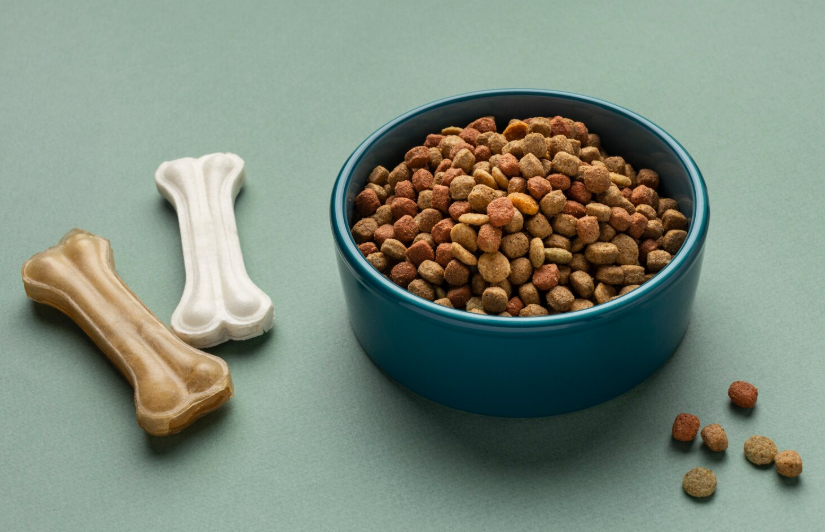
Bringing home your first dog is exciting, and choosing the right food is one of the most important decisions you’ll make early on. The right nutrition sets the foundation for energy, growth, immune health, digestion, and long-term wellbeing. But with so many options on the market, it can be hard to know where to begin.
This guide breaks down seven dog food options first-time dog owners should explore. Each choice has its own strengths and can help you find a formula that suits your dog’s age, activity level, appetite, and digestive tolerance.
1. Balanced Dry Dog Food
Dry dog food (often called kibble) is one of the most popular choices for new dog owners—and for good reason. It’s convenient, nutritionally complete, and easy to measure and store.
Well-formulated dry food delivers a balance of protein, carbohydrates, healthy fats, vitamins, and minerals. The crunchy texture also helps support dental health by reducing plaque buildup.
Good for: Daily feeding, convenience, easy portion control
Consideration: Choose high-quality formulas that list real protein sources at the top of the ingredient panel.
Learn more about options and quality standards when exploring dog food for your pup.
2. High-Protein Breed and Life Stage Formulas
Puppies, active adults, and certain breeds have unique nutritional needs that standard formulas may not fully address. High-protein or breed/life stage-specific foods tailor nutrient levels to support growth, energy expenditure, and overall development.
For example:
- Puppy formulas (higher calories and protein for growth)
- Active adult formulas (designed for energy and muscle support)
3. Limited-Ingredient Formulas
Some dogs can be sensitive to common ingredients like grains, artificial additives, or multiple protein sources. Limited-ingredient diets simplify the formula, focusing on fewer, more transparent ingredients that are often easier to digest.
These diets are especially helpful when you’re figuring out what your dog can tolerate—and what might be causing gas, itchiness, or soft stools.
Good for: Dogs with mild sensitivities or sensitive digestion
4. Species-Appropriate Formulas Like ACANA Dog Food
If you want to take a thoughtful approach to nutrition, consider species-appropriate formulas designed to mirror a more natural balance of nutrients. The acana dog food is one example of a diet rich in quality animal proteins with minimal fillers.
These formulas often include fresh meats, organs, and wholesome fruits and vegetables, giving puppies and adults a nutrient profile closer to what their bodies are built to process.
Good for: Dogs with no specific allergies, families interested in nutrition quality
5. Freeze-Dried Dog Food
Freeze-dried dog food is a minimally processed option that preserves nutrients while offering convenience similar to kibble. Because it’s dried without heat, it can retain more of the original flavour and nutritional integrity of fresh ingredients.
Freeze-dried food is often rehydrated before serving, which can make meals more palatable and aromatic—especially helpful for picky eaters or dogs just transitioning to solid food.
Good for: Dogs who prefer richer flavour and texture, families seeking higher-nutrient formats. Learn more about these options under freeze dried dog food.
6. Probiotic and Digestive Support Formulas
Some dog foods include added probiotics or prebiotics to support gut health. This is especially beneficial for puppies or dogs with occasional digestive upset. Healthy gut bacteria support nutrient absorption, stool quality, and overall comfort.
Probiotic formulas can help first-time dog owners who want a little extra digestive support without managing supplements separately.
Good for: Puppies transitioning foods, dogs with mild digestive changes
7. Training-Friendly Treats and Complementary Bites
While main meals form the core of nutrition, treats play an important role in training, bonding, and behaviour reinforcement. Choosing nutritious, simple treats helps maintain a balanced diet without adding unnecessary calories or artificial additives.
Look for treats that complement your dog’s food plan and avoid high-fat or overly sweet options that can contribute to weight gain or digestive upset.
Good for: Training rewards, positive reinforcement, behaviour building

Practical Tips for First-Time Dog Owners
Choosing the right food is just one part of good nutrition. Consider these practical habits to support your dog’s health:
- Gradual Diet Transitions: Switching to a new food should take several days to minimize digestive upset.
- Consistent Feeding Schedule: Routine helps regulate digestion and energy levels.
- Portion Control: Follow feeding guidelines and adjust based on your dog’s weight and activity.
- Watch for Responses: Monitor stool quality, energy levels, coat condition, and appetite to see how your dog is responding.
Final Thoughts
The world of dog food can be overwhelming, but exploring a variety of thoughtful options helps you make choices with confidence. From balanced dry food to species-appropriate formulas and freeze-dried meals, each type offers its own benefits. Pairing great food with consistent feeding habits sets your dog up for a life full of energy, health, and comfort.