
When your home office and living space share the same four walls, creating a clear boundary between “work” and “home” becomes essential – especially for renters navigating smaller floor plans. Many people browsing apartments for rent quickly realize that a separate office isn’t always realistic, but that doesn’t mean work and personal life have to blur together.
With smart zoning techniques, simple end-of-day routines, and thoughtful storage solutions, even a single-room setup can shift effortlessly from a productive workspace into a comfortable retreat. The best part? Renters don’t need to make permanent changes. Temporary, renter-friendly options like tension rods, peel-and-stick hooks, and portable dividers make it easy to tailor your space to your routine – whether that includes focused work hours, managing personal finances like rent collection, or winding down at the end of the day – while keeping your apartment and your security deposit fully protected.
Choose the Right Spot in Your Apartment
When setting up a functional work-from-home space in a small apartment, choosing the best location is absolutely essential to maximize both comfort and productivity while making the most of limited square footage. Some of the best spots to consider include bedroom corners, which often provide a quiet, private area away from the main living spaces. These corners can be easily transformed into focused work zones with a compact desk and ergonomic chair, helping to create a clear separation between rest and work areas.
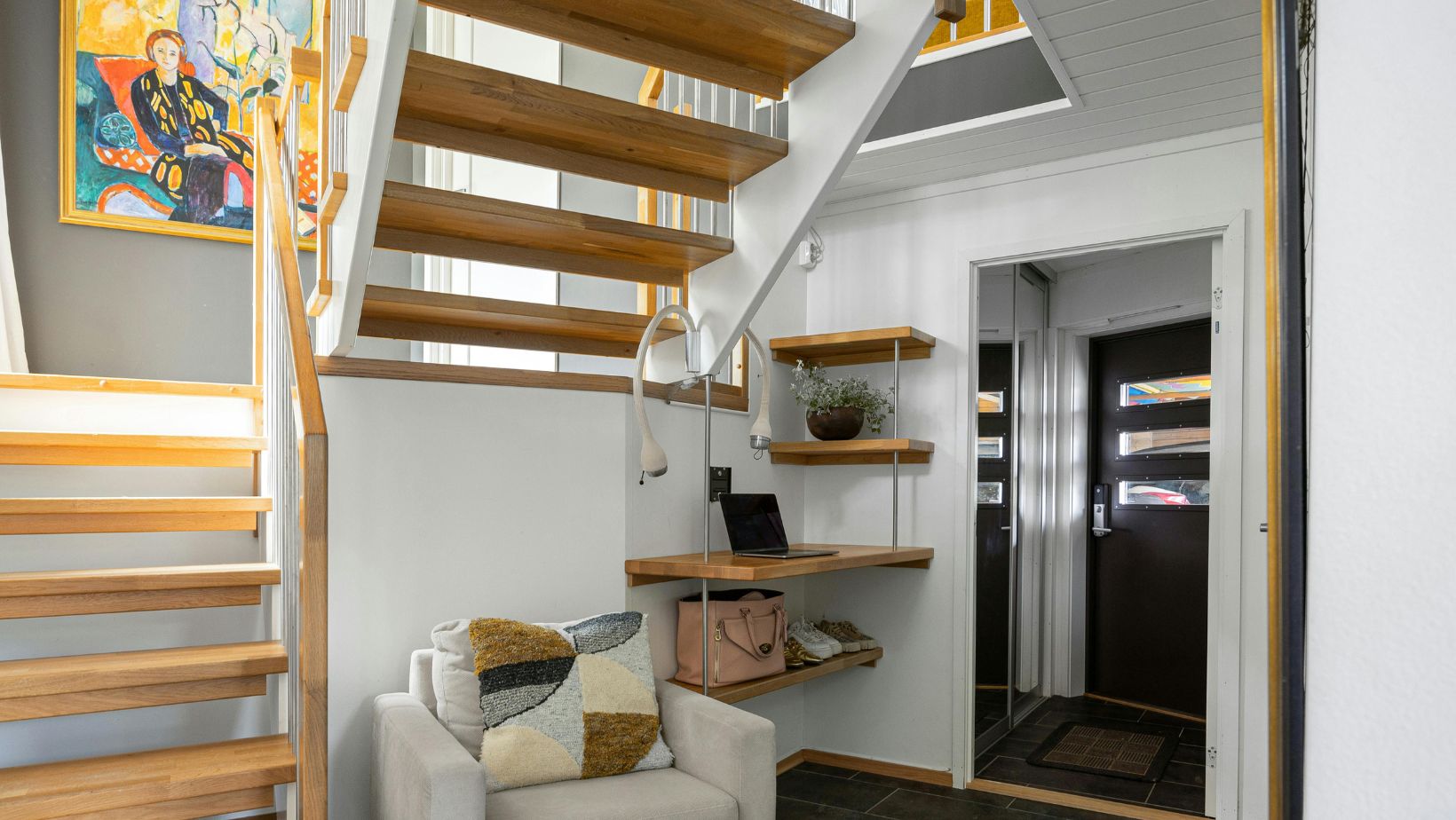
Cozy living room nooks also offer great potential; they make use of underutilized corners or alcoves that might otherwise go to waste, turning them into inviting and efficient office spaces that blend naturally with your existing décor. Beyond these, creative alternatives to the traditional dining table can serve dual purposes – acting as both a workspace during the day and a place for meals in the evening – helping to conserve precious floor space and maintain a sense of openness. Entryways or narrow hallways, though unconventional, can also be transformed into surprisingly efficient office zones with the right compact furniture, smart storage solutions, and thoughtful organization that keeps clutter at bay.
When selecting your workspace, it’s important to consider how to work with natural light by positioning your desk near windows to reduce eye strain, improve mood, and enhance overall productivity. Additionally, careful attention to outlet placement ensures easy access to power for laptops, monitors, task lighting, and other essential devices, preventing the need for unsightly extension cords that can crowd your limited floor space.
Keep It Clutter-Free With Smart Organization
Effective cable management solutions are absolutely essential for maintaining a neat, organized, and functional workspace, particularly in small apartments where space is limited and every inch matters. By using tools such as cable clips, sleeves, adhesive cable organizers, and under-desk trays, you can corral cords and wires, keeping them neatly bundled and out of sight. This not only dramatically reduces visual clutter but also prevents tangling and accidental unplugging, allowing your desk area to feel more open, spacious, and inviting. Alongside cable management, desk organizers that don’t take up valuable surface area are indispensable for keeping your workspace tidy and efficient.
Compact organizers, such as vertical pen holders, slim trays, and stacking trays, can hold essential items like pens, notepads, chargers, and other office supplies in a way that maximizes your desk’s usable surface without crowding it. Hidden storage ideas are equally important in small spaces; incorporating smart solutions like flat file drawers, under-desk storage boxes, rolling carts, or storage ottomans enables you to keep paperwork, tech gadgets, and other materials within easy reach while maintaining a clean and streamlined appearance. These storage options help you avoid the common pitfall of clutter accumulation that can quickly overwhelm a tiny workspace.
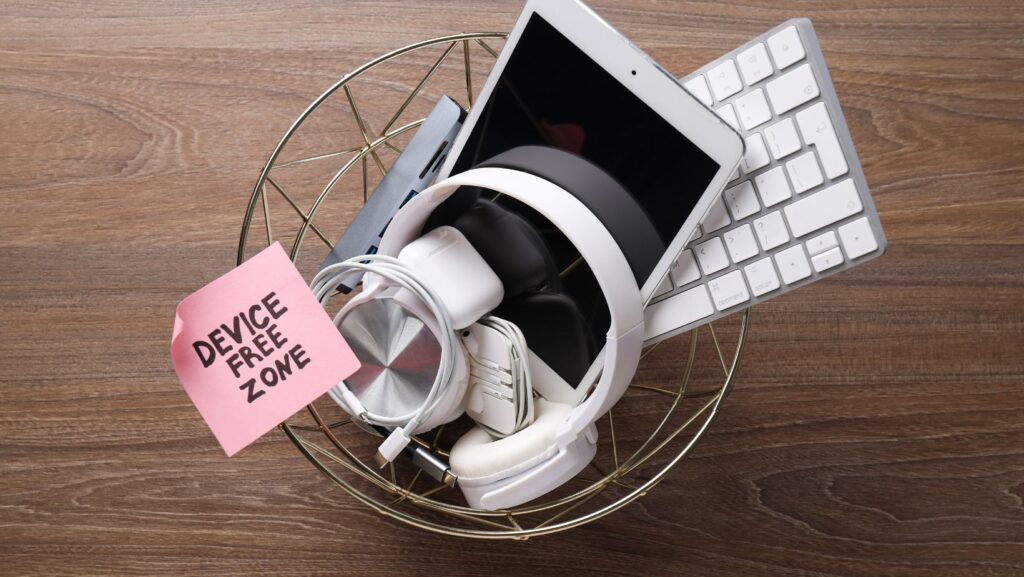
Beyond physical organization, establishing daily reset habits is vital for preventing your work life from spilling over into your personal time and living space. Taking just a few minutes at the end of each workday to tidy your desk, store away office supplies, back up digital files, and power down devices creates a psychological and physical boundary between work and home. This simple yet powerful routine not only sustains an orderly environment but also signals to your brain that the workday has ended, supporting a healthier work-life balance and reducing stress.
Maximize Vertical Storage (Without Drilling)
To maximize vertical storage in a small home office without risking your rental deposit, consider incorporating a variety of renter-friendly solutions that combine functionality with flexibility. Floating shelves with removable mounting systems are an excellent choice, offering sturdy storage space for books, decor, or office essentials while leaving your walls unscathed when it’s time to move out.
Over-the-desk organizers further enhance your workspace by keeping frequently used items such as pens, notepads, and chargers within easy reach, reducing clutter on your desk surface and promoting a tidy environment. For a highly customizable and visually appealing storage option, pegboards and wall grids equipped with renter-safe hooks allow you to hang tools, cables, and small office accessories in a way that suits your workflow and personal style.
These systems can be rearranged or removed without damage, making them ideal for renters seeking both practicality and style. Additionally, stackable drawer units and rolling carts provide flexible, mobile storage solutions that can be easily moved around or tucked under your desk when not in use. These versatile pieces help keep your workspace organized, ensuring that office supplies and paperwork have a dedicated home, which is crucial for maintaining a productive and visually calm small office space.
Maintain Work–Life Boundaries in One Small Space
Work and personal life blur quickly when your office is a corner of your living room or bedroom. Without clear boundaries, you end up feeling like you never leave work – or never fully arrive.
Visual zoning helps the brain separate “work time” and “home time” in the same room. Even small cues make a huge difference:
- A rug under your desk area
- A slightly different wall color in the office nook
- A dedicated task light that only goes on during work hours
Lightweight room dividers, folding screens, or even tall plants create a sense of separation around your desk area without permanent installation. You share space with your work, but it doesn’t have to feel that way.
Establish clear work hours and rituals that mark transitions:
- Morning coffee at the desk signals work mode beginning
- An end-of-day walk signals it ending
- Closing the laptop and putting it away makes the boundary physical
For renters in apartments with thin walls, supplement visual boundaries with noise-cancelling headphones or white noise apps. Research shows white noise machines can reduce distractions by 50%.
Visual & Physical Zoning Tricks
A small rug under your desk or a different wall color in your office corner visually carves out a workspace from the rest of the room.
In a studio, try placing a narrow bookshelf or open-back shelving unit perpendicular to the wall. It acts as a low-key divider without blocking light or making the space feel smaller.
Other zoning options:
- Foldable screens that pack away on weekends
- Curtains hung on a tension rod as temporary “walls”
- A tall plant positioned between desk and bed
A simple psychological shift: turn your chair to face away from the desk after hours. This small act helps your brain transition from work to rest mode.
Keep the workspace tidy enough that it doesn’t dominate your mood when you’re off the clock. A messy desk in your bedroom means waking up to stress every morning.
Rituals to Start and End the Workday
Rituals are a low-cost way to enforce boundaries when you don’t have a dedicated home office with a door.
Morning startup ritual:
- Open the blinds or turn on daylight-temperature lighting
- Turn on the task light
- Write a 3-item to-do list
- Start your first focused task
Evening shutdown ritual:
- Close all tabs and applications
- Back up work if needed
- Plug in devices to charge
- Place the chair fully under the desk
- Turn off the task light
Add a brief walk outside or stretching routine after shutdown. This signals to both body and brain that work has ended.
The critical rule: avoid bringing the laptop back to the sofa or bed after your shutdown ritual. Keep those zones sacred for rest, friends, and hobbies. Your work life balance depends on it.
FAQ:
How can I create a work-from-home setup if I don’t have space for a full desk?
Use a narrow console table, a wall-mounted folding shelf, or a drop-leaf table that folds flat when not in use. Pair it with a folding chair you can store behind a door. Even a 24-inch wide surface works if you keep only a laptop and small lamp on it, storing everything else in a nearby basket or rolling cart. A tiny desk beats no desk when it comes to productivity and posture.
What’s the best way to work from home in a studio without feeling like I live in my office?
Choose a single wall or corner as your dedicated office space, use a rug or small divider to frame it, and commit to putting work items away at the end of each day. If possible, choose furniture that closes – like a secretary desk or closet office – so the workspace literally disappears after hours. The act of closing up creates psychological separation even when you can’t close a door.
Can I set up a functional home office if I’m renting and can’t drill into walls?
Absolutely. Use tension rods for curtains or light dividers, freestanding ladder desks that lean against the wall, adhesive hooks for hanging organizers, and floor lamps or clamp lamps instead of hardwired good lighting. Freestanding shelves and rolling carts provide plenty of storage without permanent changes. Many renters create excellent setups using only removable solutions.
How do I keep my partner or roommate from constantly interrupting me in a small apartment?
Establish clear “focus hours” and communicate them explicitly. Use headphones or white noise to reduce distractions, and set up a visual signal – like a small desk light or simple sign – that means “on a call” or “deep work.” Try to schedule shared loud activities like cooking or workouts outside your most important work blocks when possible. The dining room might need to be off-limits during certain hours.
Is it okay to work from my sofa or bed if I don’t have much room?
Occasional laptop sessions on the sofa are fine, but for daily work, creating at least a small, consistent workstation supports better posture and focus. If you must work from the sofa, use a laptop stand, external keyboard, and a lap desk. Reserve part of the day – like mornings – for a more upright setup at a table or counter. Your back and your attention span will both benefit from the change of position.