
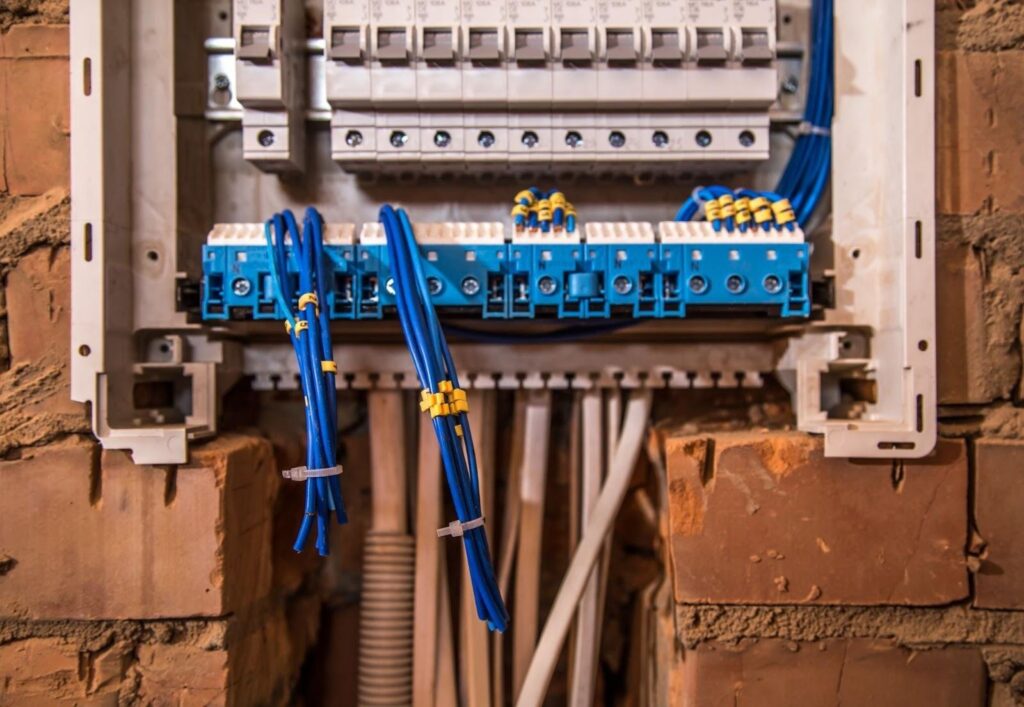
Renovating a home is a huge thrill, but let’s be honest, staring at a mess of wires can feel pretty overwhelming if you aren’t a pro. At the end of the day, you just want a home that’s safe and, frankly, a house where the breakers don’t trip every time you try to make toast. Getting your wiring organized is the best way to keep things running smoothly and give yourself some peace of mind. Bringing in dependable electrical wiring services from the get-go helps a ton, keeping everything up to scratch and avoiding dodgy setups. We’ll go over the specifics of renovation electrical wiring here, including how to prepare your home, safety precautions, and other topics, so you can do the task stress-free.
Home’s Electrical System
Everything in your home is powered by the electrical system, including charging your phone and turning on the lights. The electricity enters through the breaker panel. From there, it goes via the wiring in the house to all the outlets and switches. A lot of old homes have unusual wiring, such as knob-and-tube or aluminum, which isn’t safe to utilize a lot these days.
These days, copper is the ideal material to use for residential wiring since it is more durable and manages heat better. Stop by your panel and check it out. If it’s small or appears old, you might need to update it before making any changes.
Planning for Renovation Wiring
Planning electrical wiring for a home is not something you should do hastily or you’ll regret it. Draw a simple diagram showing where the new countertop that needs plugs or maybe some under-cabinet lights is located. Keep an eye on the future too, like spots for security cams or electric blinds.
Be prepared for unexpected expenses, so budget for cables, boxes, and any permissions your region requires. Although regulations vary by location, expect requirements for items like garage protectors or outlet heights. Sometimes, people make the mistake of underestimating the draw from a new air conditioner in a modest project, which results in frequent resets. Calculate your overall load to ensure seamless electrical wiring for your project.
Key Safety Considerations
Avoid tampering with safety; if you’re not careful, electricity might be hazardous. To begin, switch off the power, check with a tester, and then proceed.
It’s crucial to ground yourself because it safely directs negative energy into the earth rather than through you. Choose the right wire thickness because thin wires might easily overheat. Install GFCI outlets near water to quickly shut things off in case of an emergency and AFCIs in living spaces to detect arcs. According to a friend of mine who works as a contractor, most accidents begin when these are ignored. If something doesn’t seem right, back off and put on some protective clothing, such as gloves.
Common Wiring Upgrades During Renovations
Renovations are your chance to level up. Switching to three-prong grounded outlets from the old two-prong style is super common, which means no more adapters for your gear.
Many install lines specifically for large appliances, such as dishwashers, to prevent competition. These days, a lot of people add fancy devices like light timers or USB outlets. Switch to copper right away if you have that dangerous aluminum. To cover electrical wiring for home additions, such as patio heaters or home offices, increase the panel size to 200 on a bigger scale.
Tools and Materials You’ll Need
If you don’t organize yourself, the work will be tedious. Essentials include cable pullers for walls, wire clippers, various screwdrivers, and a multitester. With insulated handles and blinds, safety comes first.
When to Hire a Licensed Electrician
Perfect for minor repairs like a new socket, but for major work? Experts like Fuse Service are the best. To pass inspections and remain safe, whole-room rewires or major improvements require specialized knowledge.
Seek out certified ones that have references, possibly from nearby guilds. They see peculiarities that you would miss, such as loose joints. Yes, it costs, but it’s better than having to deal with malfunctions or claims denials. It’s really a wise investment.
In conclusion
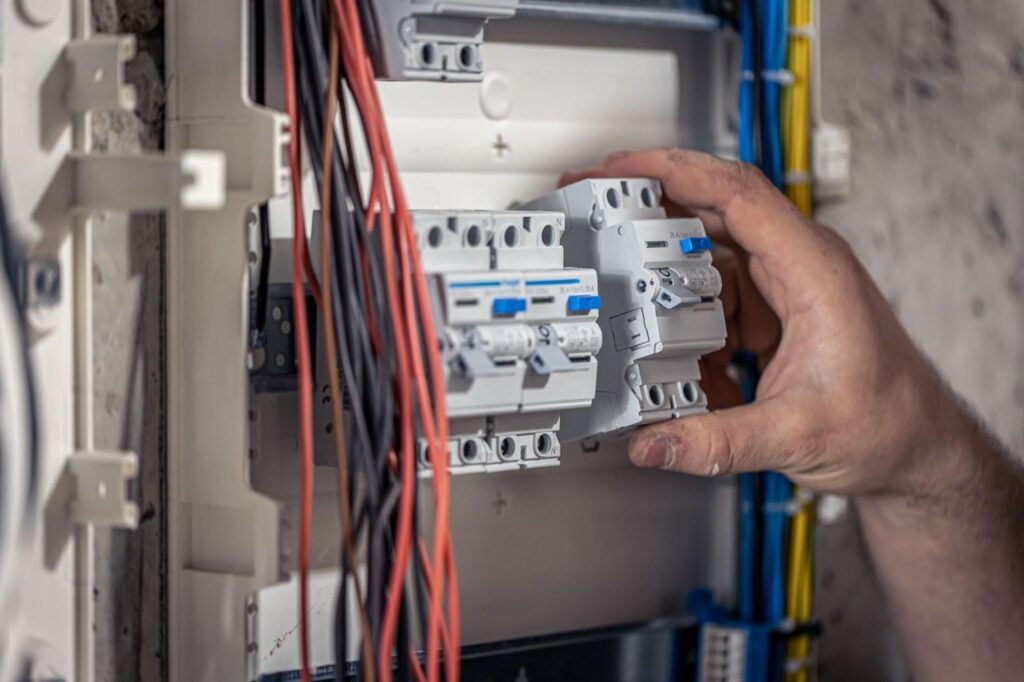
You must be honest with yourself about your level of ability before beginning any electrical task. The benefit of taking the time to do it right is a house that actually works when you turn a switch. It’s not a bad idea to seek advice from an expert if you’re unsure; in fact, it’s the ideal option. You’re capable; good luck with the project!