

The Baltimore housing market offers a unique mix of affordability, historic charm, and long-term investment potential. For home buyers, understanding how this market works is essential before making a purchase.
Whether you are a first-time buyer, relocating for work, or upgrading your current home, knowing the trends, pricing structure, and neighborhood differences can help you make confident decisions.
This guide breaks down the Baltimore real estate market in clear, simple terms. It focuses on real data trends, buyer considerations, and practical strategies to help you navigate the process successfully.
Overview of the Baltimore Housing Market
Baltimore, Maryland, sits between major economic hubs like Washington, D.C., and Philadelphia. This location plays a significant role in shaping its housing demand. Many buyers are drawn to Baltimore because it offers more affordable housing compared to nearby metropolitan areas.
The market here includes a wide range of property types, from historic brick row houses to modern condos and suburban single-family homes. While prices have gradually increased over the years, Baltimore remains relatively accessible compared to other East Coast cities.
Housing demand is influenced by:
- Local job growth
- Access to public transportation
- Proximity to major employers
- Interest rates
- Overall economic conditions
Understanding these factors helps buyers anticipate how competitive the market may be at any given time.
Median Home Prices and Affordability
One of the main reasons buyers consider Baltimore is affordability. Median home prices are generally lower than national averages for large urban centers. However, prices vary significantly by neighborhood.
For example:
- Waterfront and revitalized neighborhoods often command higher prices.
- Suburban areas in Baltimore County may offer larger homes at moderate prices.
- Certain city neighborhoods provide entry-level options ideal for first-time buyers.
Affordability does not mean the market lacks competition. Well-maintained homes in desirable areas often receive multiple offers. Buyers should monitor pricing trends closely and work within a realistic budget.
In addition to the purchase price, consider:
- Property taxes
- Homeowners insurance
- Utilities
- Maintenance costs
A full cost analysis ensures you are financially prepared for long-term ownership.
Neighborhood Dynamics in Baltimore
Baltimore is known for strong neighborhood identities. Each location comes with a different pricing and lifestyle.
Federal Hill
This neighborhood is popular among young professionals. It offers walkability, restaurants, and harbor views. Homes here tend to sell quickly due to high demand.
Canton
Canton features renovated row homes and waterfront parks. It appeals to both families and professionals looking for a vibrant community atmosphere.
Fells Point
Fells Point stands out for its historic architecture and tourism appeal. Cobblestone streets and waterfront properties make it highly desirable.
Roland Park
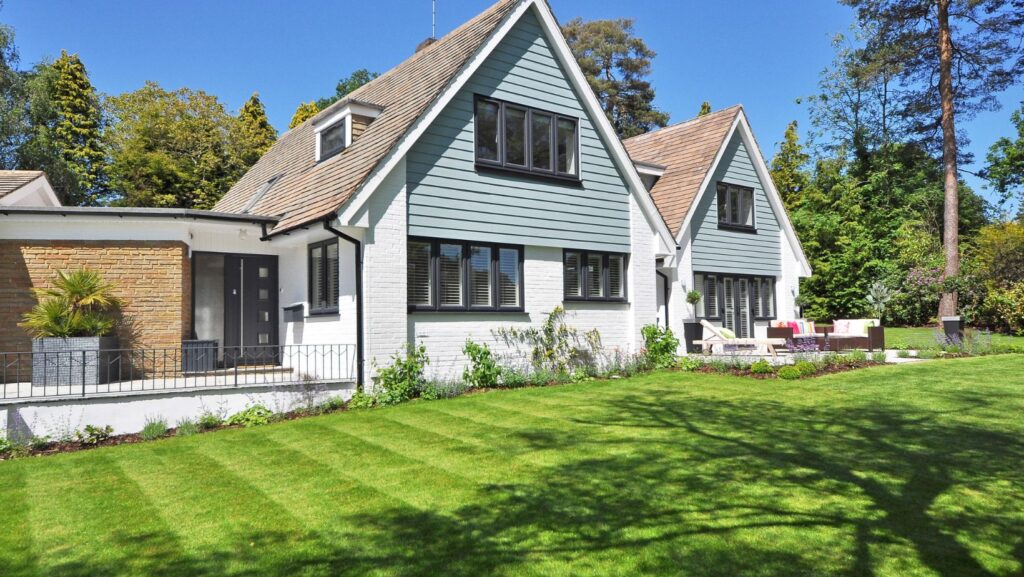
Roland Park offers larger homes and a suburban feel within city limits. Tree-lined streets and strong schools attract families.
Baltimore County
Outside the city, Baltimore County provides quieter residential areas with more space. Buyers looking for suburban living often explore this region. If you are reviewing current listings and comparing options, browsing houses for sale in Baltimore can give you a clearer picture of pricing and availability across neighborhoods.
Each neighborhood has different property values, school districts, and long-term appreciation potential. Research is critical before making an offer.
Supply and Demand Trends
Like many U.S. cities, Baltimore’s real estate market fluctuates based on supply and demand.
When inventory is low:
- Homes sell faster
- Prices may rise
- Buyers face increased competition
When inventory increases:
- Buyers have more options
- Negotiation power improves
- Sellers may offer concessions
Market cycles can shift quickly. Interest rate changes often impact buyer activity. When rates rise, affordability decreases, which can slow demand. When rates fall, buyer competition often increases.
Monitoring current inventory levels and local market data helps buyers make strategic decisions.
Types of Homes in Baltimore
Baltimore’s housing stock is diverse. Buyers can choose from:
- Historic row houses
- Townhomes
- Detached single-family homes
- Condominiums
- Multi-family properties
Row houses are iconic in Baltimore. Many have been renovated with modern interiors while preserving historic exteriors. However, older homes may require thorough inspections.
Before purchasing, buyers should evaluate:
- Roof age and condition
- Plumbing systems
- Electrical wiring
- Foundation integrity
- HVAC systems
A professional home inspection protects buyers from unexpected repair costs.
Financing Options for Buyers
Most buyers in Baltimore use mortgage financing. Common loan types include:
- Conventional loans
- FHA loans
- VA loans
- First-time home buyer assistance programs
Maryland also offers certain state-level assistance programs that may help with down payments or closing costs. Eligibility varies based on income and credit profile.
Improving your credit score before applying can lower your interest rate and monthly payment. Buyers should compare lenders and review loan estimates carefully. Even a small difference in interest rate can significantly impact long-term costs.
Property Taxes and Closing Costs
Baltimore City typically has higher property tax rates than surrounding counties. This is an important factor when comparing homes in different areas.
In addition to property taxes, buyers should prepare for closing costs, which may include:
- Loan origination fees
- Title insurance
- Appraisal fees
- Transfer taxes
- Recording fees
Its ending costs usually range from 2% to 5% of the home’s purchase price. Understanding these expenses prevents financial strain at settlement.
Investment Potential and Appreciation
Baltimore’s steady housing market makes it attractive for long-term buyers and investors.
The city benefits from:
- Major hospitals and universities
- Port operations
- Government employment
- Ongoing neighborhood redevelopment
While appreciation rates may not match high-growth markets, Baltimore has shown consistent long-term stability. Buyers focused on living in the home for several years often benefit from gradual equity growth.
Investors, on the other hand, often target rental properties near universities and employment centers. However, rental regulations and licensing requirements must be followed carefully.
Common Challenges for Home Buyers
Even in a relatively affordable market, buyers may face challenges.
- Competitive Offers:
Desirable homes often receive multiple offers. Starting pre-approved for a mortgage can strengthen your position. - Inspection Negotiations:
Older homes may require repairs. Buyers should negotiate based on inspection findings and prioritize major structural concerns. - Appraisal Gaps:
In competitive markets, the appraised value may come in lower than the purchase price. Buyers should understand how appraisal contingencies work before submitting an offer.
Working with experienced real estate professionals helps reduce these risks and ensures smoother transactions.
Is Now a Good Time to Buy in Baltimore?
The answer depends on your personal financial situation. Consider:
- Job stability
- Long-term plans
- Current interest rates
- Market inventory
If you plan to stay in Baltimore for several years, buying can help you build equity over time. Renting may offer flexibility, but it does not provide the same long-term financial return.
Baltimore’s affordability compared to other East Coast cities continues to make it attractive. Buyers who approach the process with research and preparation are better positioned for success.
Final Thoughts
The Baltimore housing market offers opportunity, diversity, and long-term value. From historic row houses in the city to spacious homes in Baltimore County, buyers have a wide range of options.
Success in this market requires preparation. Understand neighborhood trends. Review financing options carefully. Factor in taxes and closing costs. Conduct thorough inspections.
By staying informed and working with knowledgeable professionals, buyers can confidently navigate Baltimore’s real estate landscape.
With the right strategy and clear goals, purchasing a home in Baltimore can be both a smart financial move and a rewarding personal investment.