
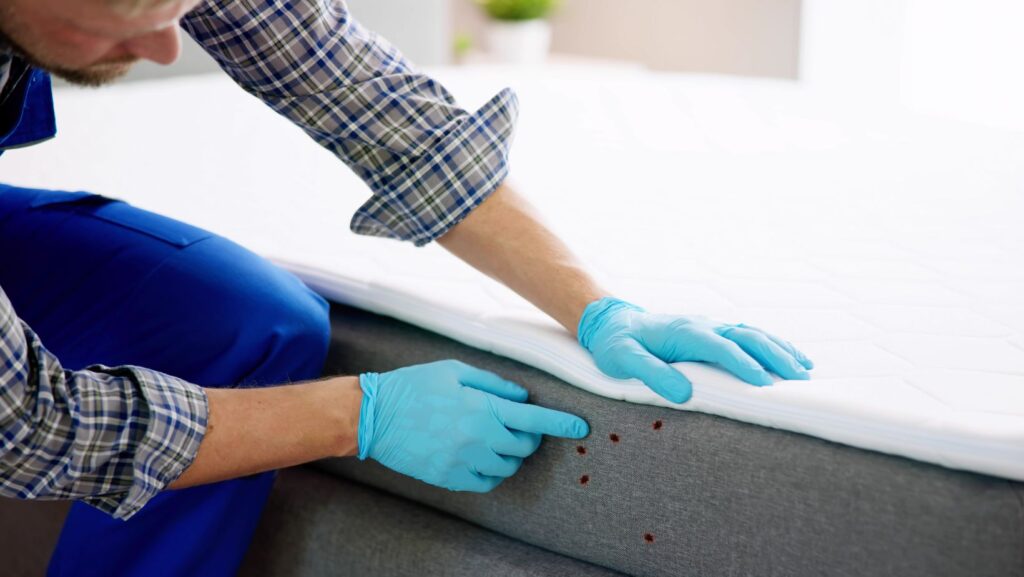
Bed bugs are tiny, stubborn, and—if you’ve ever dealt with them—unreasonably good at turning a minor problem into weeks of stress. One of the most frustrating parts is the stop‑start nature of many traditional approaches: treat, wait, reappear, treat again. So why does heat treatment so often break that cycle in a single visit?
The short version is simple: heat can reach and kill every life stage at once, including the eggs. But the real story is more interesting—and understanding it helps you judge when heat is the right choice, how to prepare, and what “one visit” truly depends on.
The bed bug problem: it’s not just the bugs you can see
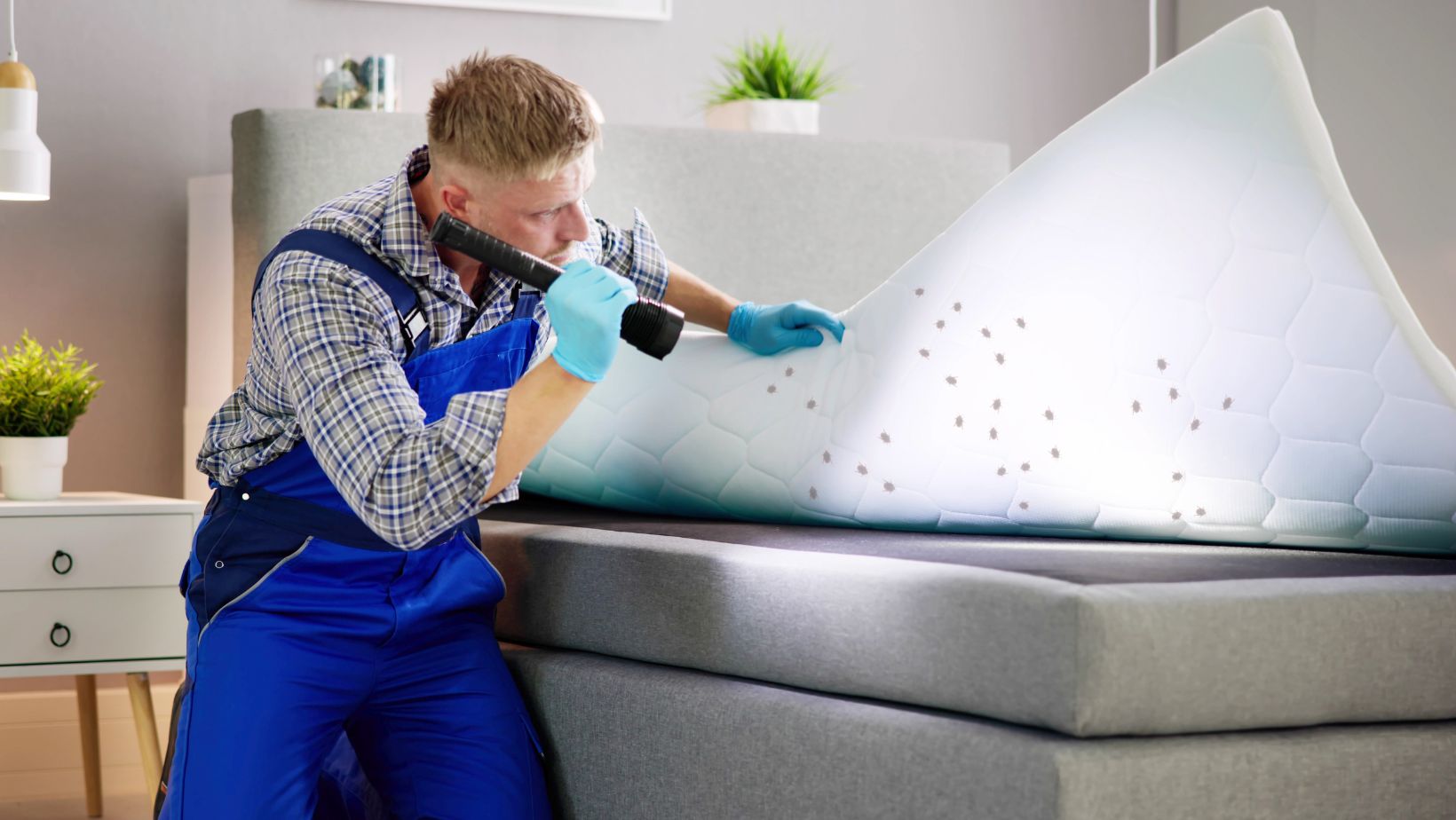
Bed bugs are experts at hiding close to where people sleep: seams of mattresses, joints in bed frames, behind skirting boards, inside bedside tables, even behind loose wallpaper. What makes them hard to eliminate isn’t just their ability to stay out of sight—it’s their life cycle.
Eggs are the reason many treatments drag on
A female bed bug can lay multiple eggs per day, and those eggs are naturally well-protected. Many common insecticides don’t reliably penetrate eggs, which is why chemical programmes often require repeat visits timed around hatching cycles. Add in growing insecticide resistance reported across various regions, and you can see why “one and done” is hard to achieve with sprays alone.
Heat works differently: it’s a physical kill method, not a chemical one. There’s no resistance to temperature.
Why heat succeeds in one visit: it targets every life stage simultaneously
Professional heat treatment aims to raise the temperature of an infested space—and crucially, the contents of that space—to lethal levels for long enough to ensure complete kill. Bed bugs die when their internal proteins denature; put simply, sustained high temperatures overwhelm them.
Lethal temperature + time = total knockdown
Different sources cite slightly different thresholds, but the industry consensus is that bed bugs and their eggs die when exposed to temperatures in the high 40s to mid‑50s °C range for an appropriate duration. Professionals don’t just “warm the room”; they use controlled heating and monitoring to ensure the heat soaks into mattresses, furniture, and the tiny crevices where eggs are glued down.
This is why heat is often a one-visit solution: instead of trying to catch bed bugs as they emerge over days or weeks, you’re removing the entire population—adults, nymphs, and eggs—in one controlled event.
Around this point, many people want to know what the process actually involves and what “professional heat” means in practice. A useful reference is this overview of heat solutions for a pest-free home, which explains how heat is applied and why it’s different from a DIY attempt with portable heaters.
Heat reaches where sprays struggle
Contact insecticides can work well when applied precisely, but bed bugs don’t line up in the open. They wedge themselves into gaps as thin as a credit card. Heat, by contrast, moves through the air and into objects. With the right equipment, airflow, and time, it can penetrate:
- the folds and stitching of soft furnishings
- gaps behind headboards and wall fixings
- cracks in floorboards and skirting boards
- cluttered areas where spot treatment would miss hidden pockets
That reach is a big reason the “one visit” claim often holds true—assuming the heat is evenly distributed and maintained.
What makes professional heat different from “turning up the thermostat”
If you’ve ever wondered whether you could just crank the heating and solve the problem, you’re not alone. Unfortunately, domestic heating systems typically can’t raise a room (and its contents) to lethal temperatures safely or consistently. Professional heat treatment hinges on control and verification.
Sensors, airflow, and temperature mapping do the heavy lifting
A reputable operator doesn’t guess. They place multiple sensors around the room—often in known cold spots and deep within furniture—to confirm that target temperatures are reached everywhere, not just near the heater.
They’ll also use high‑temperature fans to circulate air. This matters because stagnant air creates “cool pockets” where bed bugs can survive. The aim is uniform heat saturation: if one drawer, one corner, or one thick upholstered cushion stays below lethal levels, you’ve left a refuge.
One visit doesn’t mean “instant”
Most treatments take hours, not minutes. The visit includes setup, a gradual ramp‑up to avoid damaging items, sustained lethal exposure, and a controlled cool‑down. That time investment is exactly what replaces the multiple return visits common with other methods.
Preparation: the hidden factor behind one-visit success
Heat is powerful, but it’s not magic. The most common reason a heat treatment needs follow‑up is not because heat “doesn’t work,” but because something prevented the heat from doing its job everywhere it needed to.
Here’s the only checklist you really need to keep in mind (your provider may add specifics depending on the property):
- Reduce clutter so heat and airflow can reach floors, skirting, and storage areas.
- Open drawers and cupboards (unless instructed otherwise) so hot air can circulate.
- Separate densely packed clothing so heat can penetrate; don’t compress piles into tight bags.
- Follow guidance on heat-sensitive items (candles, aerosols, certain electronics, medicines).
- Don’t move infested items into other rooms unless instructed—this is a common way infestations spread.
If you do these basics well, the “one visit” promise becomes far more realistic.
When a second visit might still be needed (and why that’s not a failure)
It’s worth being candid: “often” is not “always.” Heat treatment is one of the best single-visit tools we have, but a few scenarios can complicate things.
Reintroduction and multi-unit buildings
In flats and HMOs, bed bugs can travel along shared walls, service risers, and corridors. You can heat-treat one unit perfectly and still see new activity later if the source wasn’t contained building-wide.
Extreme clutter or inaccessible voids
If a room is packed floor-to-ceiling, airflow becomes the limiting factor. Similarly, untreated voids (for example, complex structural cavities) can sometimes harbour survivors if they never reach target temperatures.
Integrated control is still smart
Some professionals combine heat with targeted residual measures in strategic areas (not as the main event, but as a “belt and braces” approach). That can help guard against a stray bug introduced after treatment, without turning the job into a long chemical programme.
After the heat: how to make “one visit” stick
Once heat has done its work, your goal shifts from elimination to prevention and early detection. A few habits make a real difference:
Use mattress encasements if recommended, reduce bedroom clutter, and be cautious about second-hand furniture. If you travel often, treat luggage as a potential pathway—unpack carefully, launder on hot cycles where appropriate, and store suitcases away from sleeping areas.
Most importantly: if you suspect bed bugs again, act quickly. Early infestations are easier, cheaper, and less disruptive to handle—whatever method you choose.
The bottom line
Heat treatment is often a one-visit solution because it solves the core bed bug problem in one controlled step: it kills adults, juveniles, and eggs throughout the treated space. When it’s done professionally—with verified temperatures, strong airflow management, and good preparation—it removes the need to “wait out” hatching cycles and schedule repeat appointments.
If you’re weighing options, think less about the label (“spray” versus “heat”) and more about the biology and logistics. The best solution is the one that reaches the bugs you can’t see, not just the ones you can.