

Air conditioning is one of the biggest contributors to household electricity use, especially during the hottest months of the year. When an AC system is not properly maintained, it must work harder to cool your home, which leads to higher energy consumption and increased utility bills. Routine maintenance helps ensure your air conditioner runs efficiently by keeping key components clean, properly calibrated, and functioning as intended. For homeowners seeking professional electrical support alongside HVAC efficiency improvements, services like Pier Electric can help ensure systems are operating safely and effectively.
According to the U.S. Department of Energy, regular maintenance of filters, coils, and system components is essential to maintaining efficiency and preventing increased energy use. By understanding how maintenance improves system performance, homeowners can take simple steps to lower monthly energy costs and keep their homes comfortable.
Why AC Efficiency Matters for Your Energy Bills
Cooling systems are often one of the largest sources of energy consumption in many homes. During warmer months, air conditioners may run for several hours each day to maintain comfortable indoor temperatures. When the system is working efficiently, it cools the home quickly and cycles off once the desired temperature is reached.
However, an inefficient air conditioner behaves very differently. Dirt buildup, clogged filters, and restricted airflow force the system to run longer cycles to deliver the same level of cooling. Over time, this increased workload leads to higher electricity usage and rising energy bills.
Many homeowners do not notice the change right away because inefficiency develops gradually. Small issues such as dust accumulation, reduced airflow, or worn components can slowly decrease performance.
Key Maintenance Tasks That Improve AC Efficiency
Maintaining an air conditioner does not always require complicated procedures. Several routine tasks can significantly improve system efficiency and help prevent unnecessary strain on equipment.
Cleaning or Replacing Air Filters
Air filters play a critical role in maintaining proper airflow throughout the system. When filters become clogged with dust, dirt, and debris, airflow becomes restricted. As a result, the system must work harder to circulate cool air throughout the home.
Replacing or cleaning filters regularly improves airflow and helps the system operate efficiently. Most homes benefit from replacing filters every one to three months, depending on system usage, indoor air quality, and household conditions.
Cleaning Coils and Removing Outdoor Debris
Air conditioners rely on evaporator and condenser coils to transfer heat from inside the home to the outside environment. Over time, these coils can collect dust and debris, which reduces their ability to transfer heat effectively.
When coils become dirty, the system must use more energy to achieve the same cooling results. Outdoor units can also become blocked by leaves, grass clippings, or dirt, restricting airflow around the condenser.
Regularly clearing debris around the outdoor unit and ensuring the coils remain clean helps maintain proper airflow and efficient heat transfer. The ENERGY STAR HVAC maintenance checklist recommends keeping outdoor units clean and unobstructed to support proper system performance.
Checking Refrigerant and System Components
Refrigerant plays a critical role in the cooling process. If refrigerant levels are incorrect, the system may struggle to absorb and release heat efficiently, causing longer cooling cycles and higher energy consumption.
In addition to refrigerant levels, components such as electrical connections, motors, and blower assemblies can also affect system performance. Worn or malfunctioning parts may reduce efficiency and place additional strain on the system.
Routine inspections help identify these issues early. Professional technicians can evaluate system components and correct problems before they turn into expensive repairs.
How Routine Maintenance Helps Lower Monthly Electricity Bills
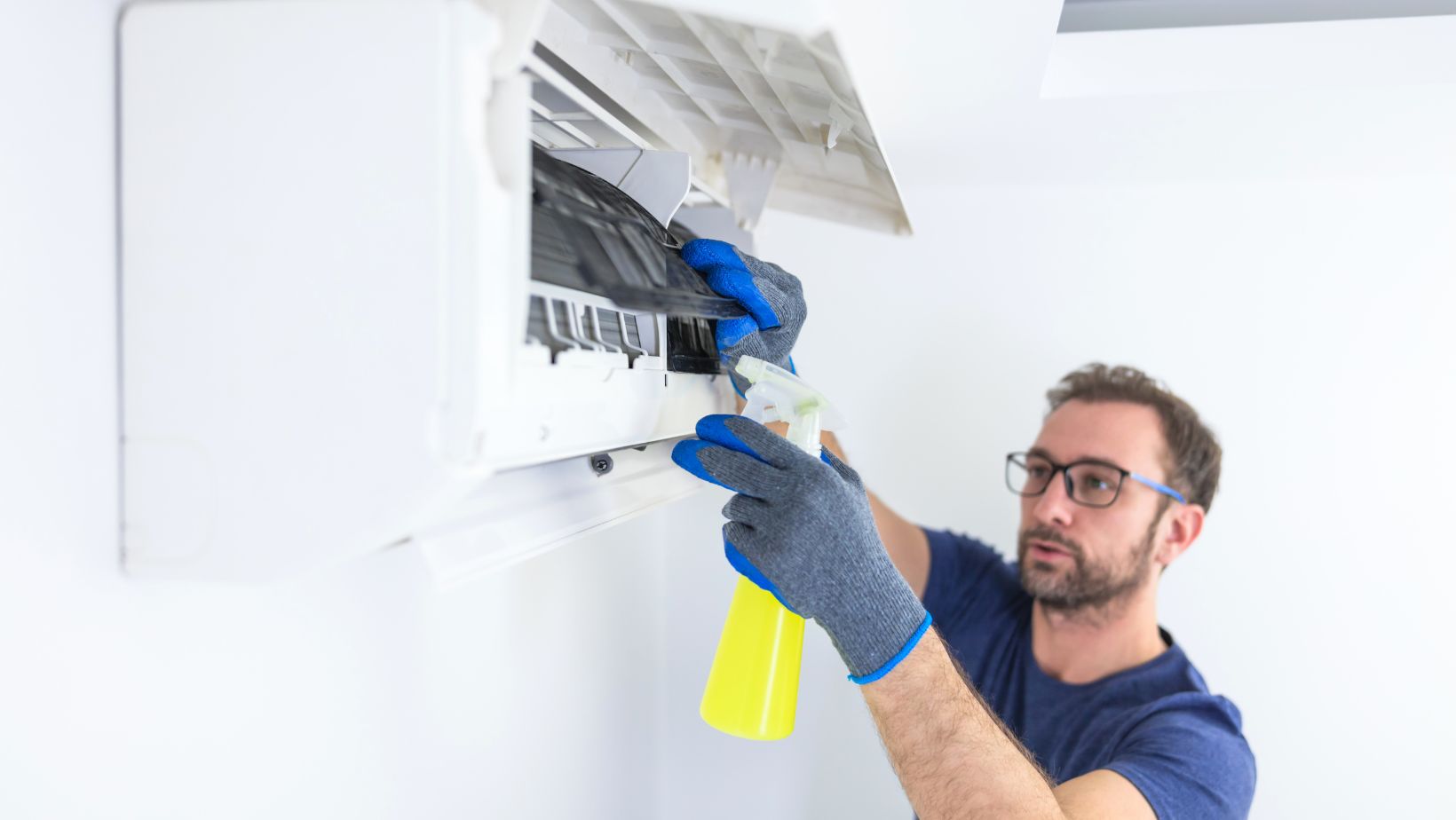
When an air conditioner operates efficiently, it cools the home faster and requires shorter run cycles to maintain indoor comfort. This improved efficiency directly reduces electricity consumption.
Routine maintenance supports efficient operation in several ways. Clean filters improve airflow, allowing the system to distribute cool air more effectively throughout the home. Clean coils improve heat transfer, helping the system remove heat more efficiently. Properly functioning components also reduce strain on the compressor and other key parts.
As a result, the system does not need to run as long to achieve the desired temperature. Over time, these improvements can lead to noticeable savings on monthly energy bills.
By keeping your AC system clean, properly adjusted, and routinely inspected, homeowners can maintain efficient cooling while keeping electricity costs under control throughout the season.
Preventing Costly Repairs Through Regular AC Inspections
Another important benefit of routine AC maintenance is the ability to catch problems early. Many system issues begin as small mechanical or electrical concerns that gradually worsen over time.
Loose electrical connections, worn belts, or aging motors can slowly reduce system performance. If these issues are ignored, they may eventually lead to major failures that require expensive repairs.
Regular inspections allow technicians to identify these problems before they escalate. Preventative maintenance may include tightening electrical connections, lubricating moving parts, checking system controls, and verifying proper refrigerant levels.
By addressing minor issues early, homeowners can avoid emergency repairs and unexpected breakdowns during the hottest times of the year. Preventive maintenance also helps extend the lifespan of the cooling system.
Why Professional AC Maintenance Makes a Difference
While homeowners can perform basic upkeep such as changing filters and clearing debris around the outdoor unit, professional servicing provides a more thorough evaluation of the system.
During a professional inspection, technicians typically check electrical components, evaluate airflow, measure refrigerant levels, and verify that safety controls are operating properly. These detailed checks help ensure the entire system is functioning efficiently and safely.
Professional technicians can also identify developing problems that homeowners may not notice, allowing repairs to be made before efficiency declines or equipment fails.
Homeowners who schedule routine servicing can reduce energy waste, improve cooling performance, and prevent unexpected breakdowns. If you’re in New Mexico and want to keep your system operating efficiently, you may consider scheduling First Rate AC maintenance services to help maintain reliable cooling and lower energy costs.
Additional Tips to Improve AC Efficiency at Home
In addition to routine maintenance, homeowners can take several simple steps to improve cooling efficiency and reduce energy consumption. Small adjustments around the home can help your AC system operate more effectively and reduce unnecessary strain.
- Install a programmable or smart thermostat to better control cooling schedules and prevent the system from running when the home is empty.
- Seal air leaks around doors and windows to prevent cool air from escaping and warm air from entering the home.
- Improve insulation and seal ductwork to reduce energy loss and help the system maintain consistent indoor temperatures.
- Keep vents and registers unobstructed so cool air can circulate freely throughout the house.
By combining these simple habits with regular AC maintenance, homeowners can improve system efficiency, maintain consistent comfort, and reduce overall energy costs.
Maintain Your AC System to Reduce Energy Costs and Improve Comfort
Regular AC maintenance plays an important role in reducing household energy costs while keeping indoor spaces comfortable during hot weather. By keeping filters clean, removing debris from system components, and scheduling routine inspections, homeowners can improve efficiency and reduce unnecessary energy consumption.
Preventative maintenance also helps identify potential problems early, minimizing the risk of expensive repairs or unexpected breakdowns. Over time, these proactive steps help extend the lifespan of the cooling system and ensure reliable performance.
Taking simple steps to maintain your air conditioning system can make a noticeable difference in both comfort and energy savings throughout the cooling season. Homeowners who prioritize regular upkeep can enjoy efficient cooling, lower electricity bills, and dependable indoor comfort year after year.