
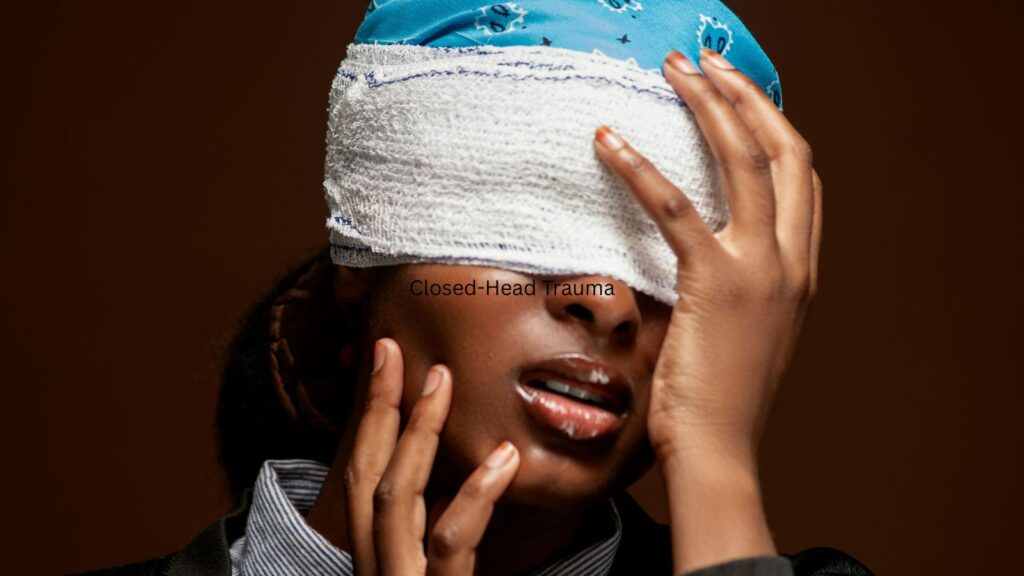
The brain is the most complex organ in the human body, and injuries to it carry consequences no other type of physical harm quite replicates. A serious brain injury does not simply heal the way a broken bone does — it can permanently alter cognition, personality, physical function, and the ability to live independently. For victims and their families, the aftermath is often a prolonged process of adaptation, loss, and uncertainty that extends far beyond the initial medical emergency.
Understanding the different types of brain injuries is essential for anyone navigating the legal and medical landscape that follows a traumatic event. Working with a skilled Cincinnati brain injury attorney ensures that the full extent of the injury’s impact is reflected in the legal claim and that the compensation pursued accounts for every dimension of the harm caused.
What Closed-Head Trauma Actually Means
Closed-head trauma refers to a brain injury in which the skull remains intact, but the brain sustains damage from impact, rapid deceleration, or rotational forces. This category is far more common than penetrating head injuries and encompasses a wide spectrum of severity, from mild concussions that resolve within weeks to devastating diffuse axonal injuries that leave victims in a persistent vegetative state.
The mechanism typically involves the brain moving within the skull in response to sudden force — striking the skull interior, stretching or tearing neural connections, or sustaining damage from pressure waves. Motor vehicle accidents, falls, workplace incidents, and sports injuries are among the most common causes of injury. Because the damage occurs internally and may not appear on standard imaging, closed-head trauma is frequently misdiagnosed or dismissed in emergency settings.
Concussions and the Risk of Cumulative Damage
Concussions are the most common form of closed-head trauma and are frequently trivialized as minor injuries. While many resolve without lasting consequences, a significant proportion result in post-concussion syndrome — persistent headaches, cognitive difficulties, sleep disturbances, mood changes, and sensory sensitivity that can continue for months or years. When concussions are not properly diagnosed and managed, the risk of prolonged symptoms increases substantially.
The danger of cumulative injury is particularly well-documented. Research into chronic traumatic encephalopathy has demonstrated that repeated concussions — even individually mild ones — can produce progressive neurological deterioration, with symptoms emerging years after exposure. For legal purposes, establishing the connection between a specific event and concussive symptoms requires careful medical documentation and often expert neurological testimony addressing timing and causation.
Diffuse Axonal Injuries and Their Devastating Effects
Diffuse axonal injury is one of the most severe forms of traumatic brain injury, occurring when rotational or deceleration forces cause widespread tearing of the axons — the connecting fibers that allow neurons to communicate throughout the brain. Unlike localized injuries, diffuse axonal injury disrupts communication across multiple brain systems simultaneously, producing global impairment of consciousness, cognition, and motor function.
Even survivors who regain consciousness often face profound deficits in memory, attention, executive function, and emotional regulation. Standard CT scans frequently fail to detect these injuries early, making MRI and specialized imaging essential. In legal cases, life care planners and neurological experts play a critical role in documenting the victim’s needs and projecting long-term care costs.

Contusions and Coup-Contrecoup Injuries
A cerebral contusion is a bruise on the brain — bleeding and tissue damage caused by the brain striking the skull interior at the point of impact. Contusions produce focal neurological deficits depending on the affected region, including weakness, speech difficulties, memory impairment, and personality changes. Unlike concussions, contusions involve structural damage visible on imaging and may require surgical intervention.
Coup-contrecoup injuries occur when impact causes contusions at two locations — the impact site and the opposite side of the brain, where the organ rebounds against the skull. Common in high-speed accidents and significant falls, these injuries produce complex, overlapping patterns of deficits. Attorneys handling these cases typically work with neuropsychologists who can map the full range of cognitive and behavioral impairments.
Penetrating Brain Injuries and Their Legal Complexity
Penetrating brain injuries — in which a foreign object breaches the skull and enters brain tissue — are less common but carry an extremely high mortality rate and severe prognosis for survivors. Gunshot wounds, sharp object impacts, and industrial accidents are the primary causes. The damage is typically focal and correlated with the object’s path, though secondary injury from swelling, infection, and hemorrhage compounds the initial trauma.
Legally, these injuries present unique challenges in causation analysis and damages calculation. Survivors often face a lifetime of medical management, rehabilitation, and adaptive support. Calculating future medical costs requires coordination between neurosurgeons, rehabilitation specialists, life care planners, and economists who can translate medical projections into defensible damage figures.
Acquired Brain Injuries From Oxygen Deprivation
Not all serious brain injuries result from physical trauma. Anoxic or hypoxic brain injuries occur following cardiac arrest, near-drowning, surgical complications, carbon monoxide poisoning, or any event interrupting the brain’s oxygen supply. The brain is extraordinarily sensitive to oxygen deprivation, and even brief interruptions can cause widespread neuronal death with consequences ranging from mild cognitive impairment to complete loss of function.
These injuries are particularly significant in cases involving medical malpractice, defective products, or premises liability. Establishing liability requires demonstrating that the deprivation occurred, was preventable, and resulted from the defendant’s conduct. The medical and legal complexity of these cases makes them among the most demanding in personal injury practice.
Why Legal Representation Matters in Brain Injury Cases
Brain injury cases are very complicated and have high stakes for victims and their care costs. Insurance companies invest heavily in resources to minimize payouts, putting unrepresented victims at a disadvantage.
An experienced attorney can provide the medical knowledge and expert support needed for a strong claim. They can hire specialists to challenge minimizing diagnoses, work with planners to outline future needs, and help juries understand the impact of cognitive changes. This skilled representation can greatly enhance a brain injury claim, offering essential support for victims and their families’ financial security and quality of life.