
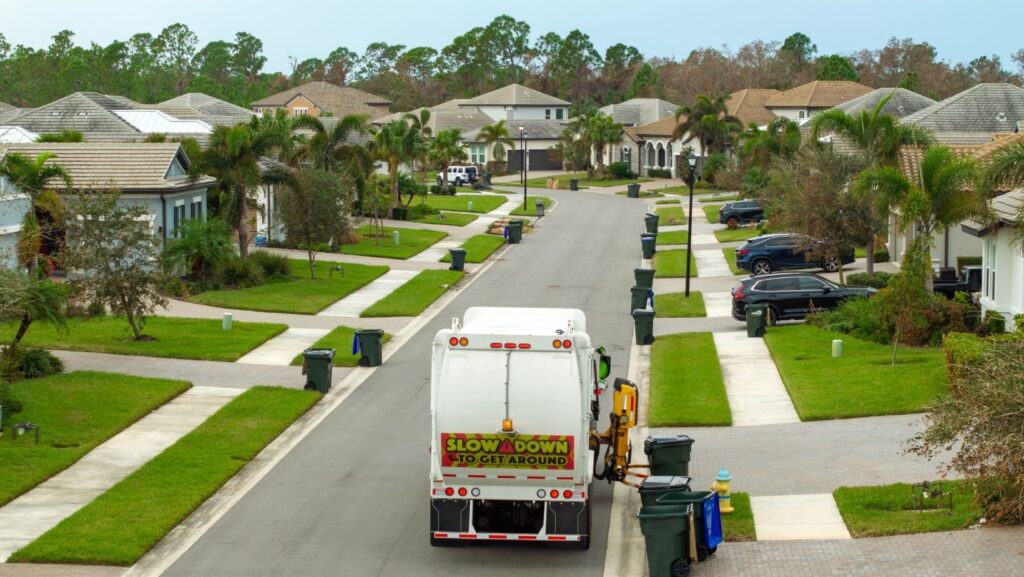
Every morning, garbage trucks roll through neighborhoods before most people are even up for the day. They’re an important part of keeping things running, but there’s no getting around how big and complicated these vehicles are. In tight residential streets, that can make them especially dangerous. Over time, people get used to seeing them, which can lead to letting their guard down a bit.
The risk is even higher for kids and pedestrians, who may not realize how hard it is for a truck like that to stop quickly. These vehicles operate in areas where people are walking around, getting into cars, or heading to school, so there’s very little room for mistakes. One bad decision or a mechanical issue can turn a routine morning into something much more serious.
Garbage truck accidents also come with their own challenges. These vehicles often have to back up in narrow spaces and make frequent stops, which increases the risk. Understanding how and why these accidents happen is an important step in figuring out what went wrong and who may be responsible.
The Equipment Blind Spot and the No-Zone Problem
Blind spots are the primary structural hazard for any operator of heavy waste equipment. These vehicles are outfitted with massive side-loading arms and bulky compacting units that create significant visual “No-Zones” for the driver. Unlike a standard delivery van, the geometry of a waste hauler makes it nearly impossible to see objects that are close to the rear or the passenger side.
The compacting unit itself often blocks the rear-view mirror’s line of sight, forcing the driver to rely entirely on electronic sensors or side-view perspectives. These mirrors provide a distorted view of the ground, making it difficult to spot a cyclist or a small child who has wandered into the vehicle’s path. These blind spots are a persistent danger in crowded urban and suburban environments.
Maintaining a 360-degree awareness is an exhausting task for an operator who is also managing a heavy mechanical arm and a crushing system. When visibility is compromised, the safety net for the surrounding public is essentially removed. High standards in equipment design and mirror calibration are necessary for preventing the side-impact and backing collisions that define the risks of modern waste collection today.
Frequent Stops and the Risk of Driver Impatience
The “Frequent Stop” nature of waste collection creates a unique risk for following motorists who may become impatient with the slow pace. A truck may stop every thirty feet to service a different household, creating a “staccato” traffic flow that frustrates drivers who are in a hurry to reach work. This frustration often leads to aggressive and dangerous passing maneuvers on narrow two-lane residential roads.
When a driver tries to zoom around a stopped truck, they often fail to account for the possibility of a worker stepping out into the lane or the truck suddenly moving forward. These split-second decisions are a primary cause of head-on collisions and sideswipe incidents in local neighborhoods. The unpredictability of the truck’s movements requires an extreme level of patience from everyone sharing the street.
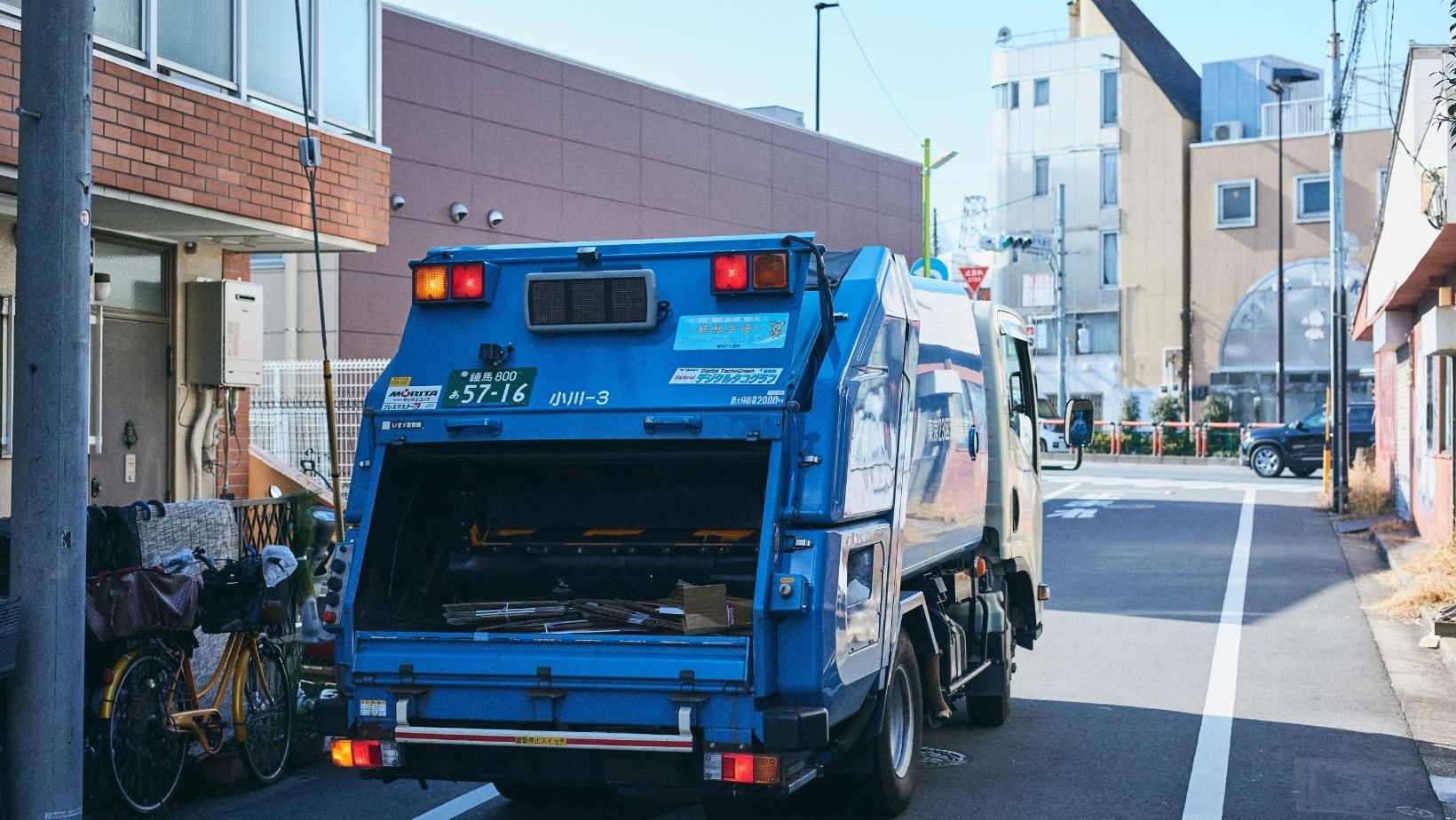
Managing the flow of traffic around a slow-moving hauler is a shared responsibility that is often ignored in the morning rush. Drivers must resist the urge to take shortcuts that put themselves and the waste management crews at extreme risk. High standards in defensive driving are the only way to avoid the predictable traps created by the rhythmic stopping of collection vehicles.
Investigating Fatigue and Proving Operational Negligence
Summarizing the risks reveals that waste management safety is a combination of mechanical integrity, driver focus, and corporate oversight. Investigating the “route timing” and “driver fatigue” of the crew is vital for proving negligence during a dispute. Many accidents are the result of crews being forced to meet impossible deadlines that encourage them to take dangerous shortcuts.
If a driver has been on the road for twelve hours, their reaction times and situational awareness are significantly compromised. A professional legal team will pull the internal logs to see if the carrier was prioritizing production over the safety of the local residents. Uncovering these systemic failures is the key to holding the multi-billion dollar waste industry accountable for their errors.
Ultimately, the goal is to ensure that our neighborhoods remain a safe place for families to live and play. By demanding accountability for accidents involving waste haulers, you are helping to improve the safety standards for the entire community. Reclaiming your peace of mind starts with a commitment to the facts and a professional approach to your legal and physical recovery.