
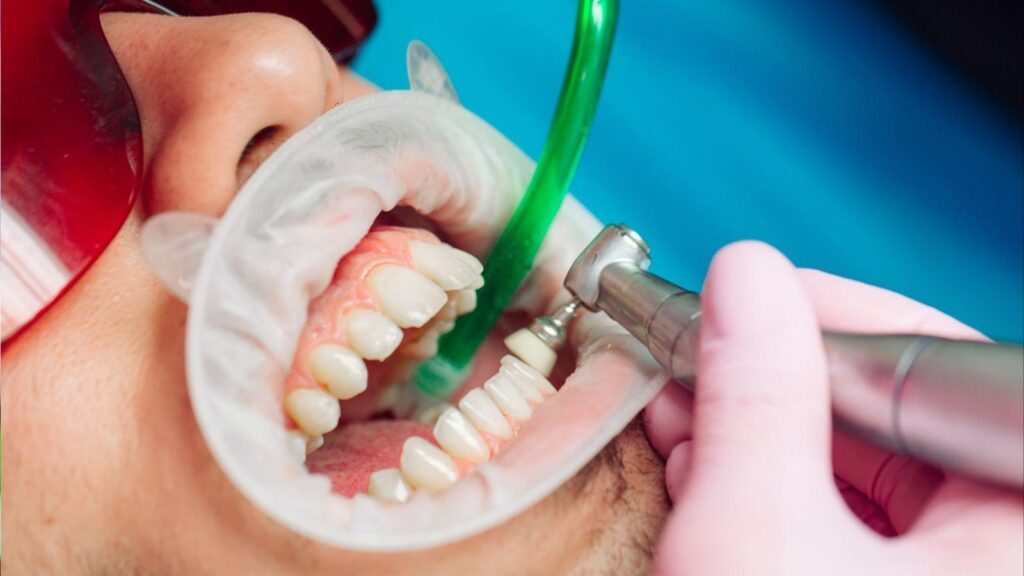
If you want a stable full-arch solution, you’ll choose between an overdenture that snaps onto implants and an All-on-4 fixed bridge that stays in place. A four-implant overdenture uses implants to hold a removable denture for easier cleaning and lower cost, while all-on-4 dental implants in Easton, PA replace the entire arch with a permanently fixed bridge for greater stability and a more natural feel.
This article will show how the two options differ in surgery, daily care, comfort, appearance, and cost so you can see which fits your needs. You’ll learn who makes a good candidate for each approach and what to expect during treatment and long-term maintenance.
Dental Implant Techniques
You will learn how implants are placed, how the dentures attach, and what surgical factors affect your treatment. These choices shape healing time, maintenance, and how natural your bite feels.
Implant Placement Procedures
Implant placement starts with imaging—CBCT scans and x-rays—to map bone and vital structures. For a four-implant overdenture, your surgeon places four implants in the jaw, often two centered and two toward the sides. For All-on-4, the back implants are angled to use more bone and avoid grafts.
Surgeons may place implants in one visit or stage them. Immediate-loading lets you leave with temporary teeth the same day if initial stability is strong. Staged placement allows healing before the final prosthesis, which can be safer if bone quality is poor. Expect local anesthesia, possible sedation, and a healing period of weeks to months before the final restoration.
Types of Prosthetic Attachments
Overdentures usually attach with removable connectors: ball, locator, or bar systems. These let you remove the denture nightly for cleaning and relines. They also allow easier adjustments and lower initial cost. Attachment wear means periodic replacement of nylon inserts or clips.
All-on-4 uses a fixed bridge that screws onto the implants. You cannot remove it yourself. That fixed option feels more like natural teeth and often provides stronger chewing force. Maintenance requires professional removal by your dentist for deep cleaning and repairs. Prosthetic material can be acrylic over metal, hybrid, or full zirconia, each with trade-offs in strength and cost.
Surgical Considerations
You must have enough bone volume and good overall health for predictable outcomes. Bone grafting may be needed if bone is thin, but All-on-4’s angled implants often reduce this need. Smoking, uncontrolled diabetes, and certain medications raise complication risks.
Surgical access, nerve location, sinus position (upper jaw), and bite alignment guide implant angle and position. Your surgeon plans placement to balance implant length, bite force distribution, and esthetics. Follow-up visits check osseointegration and soft-tissue healing; failing to attend can compromise long-term success.
Advantages and Limitations
You will see trade-offs between comfort, cost, and maintenance. One option gives a fixed feel that mimics natural teeth; the other lets you remove the prosthesis for cleaning and cost control.
Stability and Functionality
All-on-4 uses four implants to support a fixed bridge. That bridge stays in your mouth 24/7 and feels most like natural teeth when chewing. You get stronger bite force, better ability to eat tougher foods, and no need to remove the prosthesis for daily use.
Four-implant overdenture locks onto two to four implants with attachments and remains removable. It offers much better stability than a conventional denture, but it still moves slightly under heavy chewing. You may need periodic relining or tighter clip replacements.
If you want maximum chewing power and a non-removable solution, All-on-4 is usually better. If you prefer easier cleaning, lower upfront cost, and some removable flexibility, an overdenture may suit you.
Oral Health Implications
All-on-4 often requires removing any remaining failing teeth and placing a full-arch fixed prosthesis. That reduces food traps and can simplify daily oral care because you clean around implants and under the bridge with special tools. However, you must maintain excellent hygiene to prevent peri-implantitis, since infections under a fixed bridge can be harder to treat.
A four-implant overdenture lets you remove the teeth for thorough brushing and soaking. That can make hygiene easier and help you inspect soft tissues. Bone loss still occurs over time with overdentures, especially if fewer implants are used or if attachments wear, so regular check-ups matter.
Both options need lifelong follow-up. You will have to brush, clean around implants, and see your dentist for professional care on a schedule they recommend.
Long-Term Durability
Fixed All-on-4 bridges are built to last many years and resist fracture if made from strong materials like zirconia or reinforced acrylic. Individual implant failures can be harder to manage because the bridge connects implants; repairing may require removing and remaking the prosthesis.
Overdentures have parts that wear: attachment clips, housings, and denture acrylic. These parts are easier and less expensive to replace. The implants themselves can last decades with good care, but the removable denture base will likely need periodic replacement or relining due to normal bone changes.
Cost differences matter long term. You may spend more upfront for All-on-4 but face fewer routine prosthesis replacements. With overdentures, plan for lower initial cost but more maintenance and periodic parts or denture renewals.
Candidacy and Selection Criteria
You need enough jawbone, good general health, and realistic goals to choose between a four‑implant overdenture and an All‑on‑4 fixed bridge. Cost, maintenance, and how you want your teeth to feel also matter.
Bone Quality and Quantity Requirements
All‑on‑4 was designed to work with reduced bone by angling the posterior implants to engage denser bone farther back. If your posterior bone is thin but you have reasonable bone in the front, All‑on‑4 can often avoid bone grafts. Still, the procedure needs adequate bone height and width at the planned implant sites for primary stability.
A four‑implant overdenture is more forgiving. It can be supported by implants placed in the front or sides and sometimes uses fewer implants overall. If you have significant bone loss, your dentist may recommend bone grafting, short implants, or zygomatic implants instead. Imaging (CBCT) and clinical exam will determine feasible options.
Achieving optimal primary stability during the surgical placement is what ensures long-term osseointegration and treatment success. According to this dentist in Bonne Terre MO, thorough preoperative planning guarantees that the chosen implant design aligns perfectly with your existing skeletal structure, giving you a secure, functional, and durable foundation for your final restoration
Patient Lifestyle Factors
Think about how you want to live with your replacement teeth. If you want fixed teeth that feel most like natural teeth and don’t remove them daily, All‑on‑4 provides that experience but requires meticulous oral hygiene and regular professional follow‑ups. Smoking, uncontrolled diabetes, or poor oral hygiene raise the risk of implant failure for either option.
If you prefer a removable prosthesis for easier cleaning, lower initial cost, or simpler future adjustments, a four‑implant overdenture may suit you better. Travel, manual dexterity, and willingness to attend maintenance visits also influence the choice. Your comfort with a thicker denture base (more likely with overdentures) versus a slimmer fixed bridge play into the decision too.
Costs, Maintenance, and Patient Experience
You will face different costs, upkeep, and daily habits depending on whether you choose a four‑implant overdenture or an All‑on‑4 fixed prosthesis. Think about upfront fees, recurring expenses, how you’ll clean your teeth, and how each option feels while eating and speaking.
Initial and Ongoing Expenses
The surgical and lab fees for All‑on‑4 usually run higher than for a four‑implant overdenture. All‑on‑4 involves placing four implants and attaching a permanent prosthesis, which raises implant, lab, and surgical costs. A four‑implant overdenture still requires implants and a bar or attachments but often costs less because the denture base and teeth are removable and simpler to manufacture.
Expect ongoing costs for both. All‑on‑4 can incur periodic prosthesis maintenance, repairs, or relines over years and occasional implant checks. Overdentures need denture relines, new teeth every few years, and more frequent attachment replacement. Insurance, location, bone grafting needs, and whether you choose a temporary same‑day prosthesis affect final prices.
Daily Care and Maintenance
If you pick All‑on‑4, you care for the prosthesis like natural teeth: brush twice daily, use a water flosser or interdental brushes around implant bridges, and attend professional cleanings every 3–6 months. You cannot remove the arch, so access under the bridge requires special tools your dentist will show you.
With a four‑implant overdenture, remove the denture nightly to clean the denture and the gum area. Clean attachments and the bar with a soft brush and rinse attachments after meals. You’ll need to replace attachment parts periodically and may need more frequent adjustments to keep fit and comfort. Both options require regular implant exams to check bone levels and soft‑tissue health.