
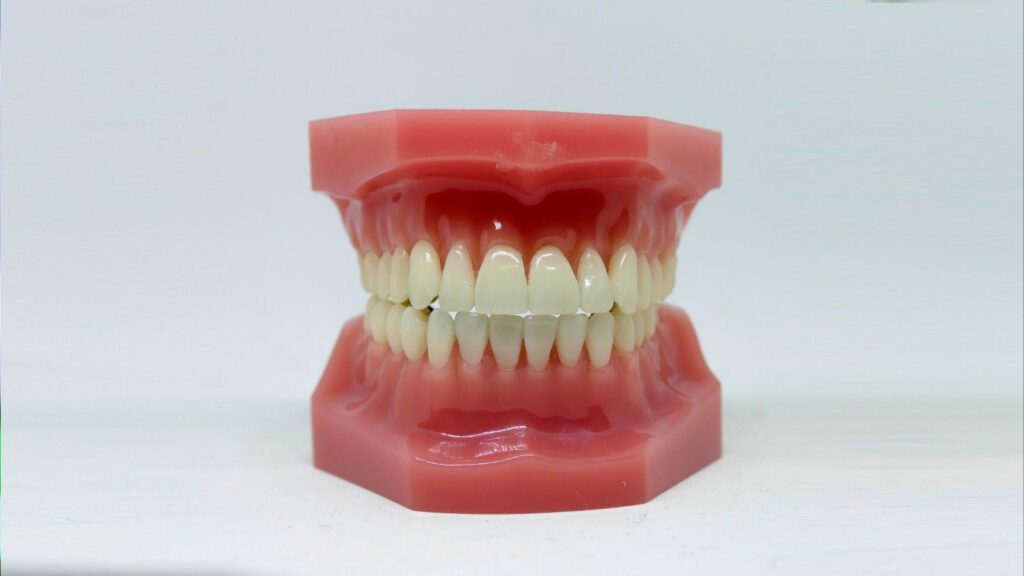
Losing a tooth starts a chain reaction in your jaw right away. You can lose about 25% of the jawbone width in the first year after extraction, with noticeable changes often appearing within six months — making it important to explore options like a single tooth dental implant in Ocala, FL before that early loss affects your face, your bite, and the dental choices available to you.
You will learn how fast bone shrinks, what speeds it up or slows it down, and which treatments — like implants or grafts — can protect or restore your jaw. Knowing the timeline and risks helps you act quickly to keep your smile and future dental options.
Timeline of Jawbone Loss After Tooth Extraction
You can expect bone changes to start quickly and continue for months to years. Early bone loss affects implant timing and graft needs, while long-term loss can change jaw shape and limit treatment options.
Immediate Changes in Jawbone Density
Within days to weeks after extraction, the socket fills with blood clot and early bone repair begins. Osteoclasts (bone‑eating cells) remove damaged bone near the socket, which reduces local bone density fast. This process is normal and helps shape new bone, but it also shrinks the ridge width and height right away.
If you want an implant later, the first 2–3 months matter most. Without intervention, the ridge can lose a noticeable fraction of its width in that period. Your dentist may recommend socket grafting at extraction to limit this immediate collapse.
Progressive Bone Reduction Over Weeks and Months
From about 1 month to 6 months after extraction, bone remodeling continues and loss becomes more measurable. Most studies show the greatest drop in ridge width happens in the first three to six months. Vertical height also declines, but usually less than width.
Behavior and health affect the rate. Smoking, uncontrolled diabetes, and infection speed bone loss. Getting a bone graft or placing an implant within a few months slows or stops this progressive reduction by restoring stimulation to the bone.
Long-Term Effects of Untreated Tooth Loss
After 6 months and over several years, continued remodeling can lead to significant jaw changes. You may see tooth shifting, bite changes, and a thinner jaw ridge that complicates future implants or dentures. Facial support can lessen, making cheeks or lips appear different.
Long-term bone loss may require larger grafts or alternative prosthetic plans. The longer you wait, the more complex and costly treatment can become.
Factors Affecting the Rate of Bone Deterioration
Several things change how quickly your jawbone shrinks after a tooth is lost. Genetics, your age and overall health, and the condition of your gums and mouth play the biggest roles.
Individual Biological Differences
Your genetics partly determine how fast bone remodels. Some people naturally have denser bone and more active bone-forming cells (osteoblasts). Others have weaker bone or faster bone resorption by osteoclasts, which speeds shrinkage.
Medication history matters. Drugs like long-term steroids or certain cancer treatments reduce bone strength and raise resorption risk. Hormone levels do too — lower estrogen in women after menopause commonly leads to faster bone loss.
Lifestyle also affects biology. Smoking lowers blood flow and delays healing, so your jawbone resorbs quicker. Poor diet lacking calcium and vitamin D reduces bone repair. Knowing these factors helps you and your dentist decide how quickly to act.
Age and General Health
Younger people generally retain bone better after tooth loss because bone turnover and healing are more active. In contrast, older adults often show faster, more pronounced resorption.
Systemic conditions change the pace. Osteoporosis increases whole-body bone loss and raises the chance your jawbone will shrink faster. Uncontrolled diabetes impairs healing and raises infection risk, which speeds deterioration.
Medical management matters. If you control chronic illnesses, maintain healthy vitamin D and calcium levels, and avoid medications that harm bone when possible, you slow the process. Discuss health history with your dentist to plan timely treatment.
Impact of Oral Hygiene and Inflammation
Your gum health directly affects jawbone loss. Chronic gum disease (periodontitis) causes ongoing inflammation and bone destruction around teeth and the empty socket. The more severe or long-standing the infection, the faster local bone loss occurs.
Poor oral hygiene increases bacterial load and risk of infection after extraction. That heightens inflammation and reduces bone regeneration. Regular brushing, flossing, and dental cleanings cut this risk and slow resorption.
Immediate actions after tooth loss help too. Socket infections, trauma, or delayed dental care allow inflammation to persist and accelerate bone loss. Prompt cleaning, infection control, and discussing graft or implant options can preserve more bone.
Implications for Dental Treatments
Jawbone shrinks after a tooth is lost, and that affects which treatments will work for you and how soon you should act. Your options, from implants to grafts, depend on how much bone remains and how fast it has resorbed.
Dental Implant Candidacy
You need enough bone height and width where the tooth was to place an implant that will stay stable long-term. If bone loss began within months, you may already lack the volume for a standard implant, especially in the back of the mouth where chewing forces are high.
Your dentist will use X-rays or a CBCT scan to measure bone dimensions and density. Those numbers decide whether a standard implant, a narrower implant, or a staged approach is best.
If bone is insufficient, your clinician may recommend bone grafting or a sinus lift before implant placement. These procedures add months to treatment but create a stable foundation. Smoking, uncontrolled diabetes, and certain medications can lower your success rate, so expect your provider to review medical risks with you.
This professional dentist in Las Vegas NV adds that evaluating these biological and lifestyle factors beforehand ensures that the treatment plan is tailored for optimal osseointegration, which is the process of the bone fusing with the implant. By taking the time to address any underlying health concerns and structural deficiencies first, you significantly increase the predictability and long-term durability of your new smile.
Prevention and Bone Preservation Options
Placing an implant soon after extraction preserves bone by restoring the load the tooth once carried. Immediate or early implant placement reduces resorption compared with leaving the gap empty for many months. Your dentist may also use a socket graft (bone material packed into the extraction site) to slow bone loss when an implant cannot be placed right away.
Dental Implant CandidacyOther preservation strategies include ridge preservation with collagen membranes and timed provisional restorations that apply gentle load. If you already have major bone loss, options shift to larger grafts, block grafts, or using shorter or angled implants to work with remaining bone. Each option has trade-offs in time, cost, and recovery that your dentist will explain.