
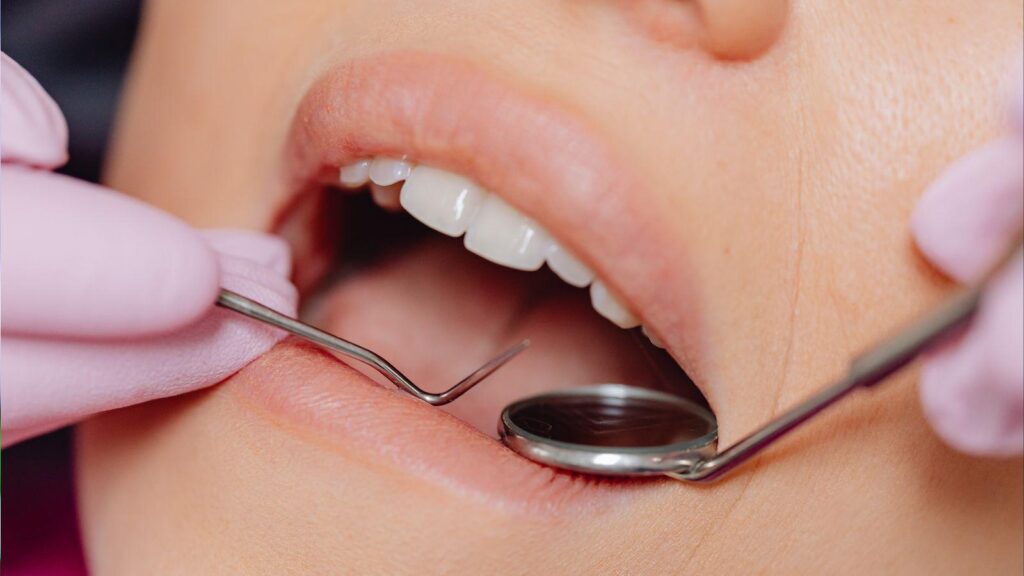
You want the best outcome after a tooth extraction, and timing matters more than you might think. Acting fast after the procedure lowers your chance of complications like dry socket, infection, prolonged pain, and delayed bone and gum healing — all things a trusted dentist in Las Vegas, Nevada will guide you through from the moment the tooth comes out.
Your body starts a fast, fragile healing process the moment the tooth comes out. Small delays in care, activity, or follow-up can let problems take hold and stretch recovery from weeks to months.
This post will show what happens during extraction, the risks of waiting, practical time-sensitive steps to protect healing, and how delays can affect your mouth long term.
What Happens During Tooth Extraction
You will feel pressure and numbness during the procedure. The dentist removes the tooth, and your body starts a quick series of biological actions that protect the socket and begin healing.
Immediate Biological Responses
After the tooth is removed, your body sends blood and immune cells to the empty socket within minutes. Tiny blood vessels constrict first to slow bleeding; then they dilate to allow clotting factors and white blood cells to arrive. You may notice some bleeding and a salty taste; that’s normal for the first few hours.
Local anesthetic keeps you from feeling pain, but you will feel pressure as the dentist uses elevators and forceps to loosen the tooth. Tissue trauma triggers inflammation: the area becomes slightly swollen and tender as fluids and cells clear debris and fight bacteria.
Blood Clot Formation and Its Importance
A blood clot forms inside the socket within 24–48 hours and acts like a natural bandage. Platelets stick together and release factors that seal the wound and attract cells for repair. This clot protects bone and nerves from exposure and reduces bleeding.
If the clot is disturbed or lost, you risk a dry socket, a painful condition where bone is exposed. To protect the clot, follow instructions like avoiding straws, heavy rinsing, smoking, or vigorous spitting for the first few days. Keeping the clot intact speeds pain control and lowers infection chance.
Stages of Initial Healing
Healing follows a predictable path. First, inflammation clears out bacteria and debris for 2–3 days. Next, soft tissue grows in from the socket edges over the first week. New capillaries form and connective tissue fills the socket, replacing the clot with granulation tissue.
By two to four weeks, the socket surface begins to re-epithelialize and hard tissue starts forming at the base. Full bone fill takes months, but early tissue cover reduces pain and infection risk. Follow-up care and avoiding disturbances help each stage proceed normally.
Risks Linked to Delayed Care
Delaying follow-up or care after an extraction raises the chances of painful complications, longer healing, and more invasive treatment. Addressing problems quickly lowers infection risk, preserves nearby teeth and bone, and helps you avoid extra procedures.
Dry Socket Onset
Dry socket happens when the blood clot that protects the extraction site is lost or dissolves too soon. You’ll feel a sudden, sharp pain starting 2–4 days after the extraction. The pain often radiates to your ear, temple, or eye on the same side.
If you wait to seek care, the exposed bone stays unprotected and the pain can worsen. Treatment usually includes cleaning the socket and placing a medicated dressing to relieve pain and promote clot formation. Painkillers and short-term antibiotics may be used if infection risk is present. Acting quickly shortens the time you endure severe pain and reduces the chance of repeated dressing changes or extra clinic visits.
Infection Development
A delayed check-up lets bacteria multiply in the socket or around a broken tooth. You may notice swelling, increasing pain, fever, bad taste, or a foul smell from the wound. These signs can appear within days but sometimes take longer.
If infection spreads to nearby teeth, gums, or bone, you might need oral antibiotics, drainage, or more complex surgery. People with diabetes, weakened immune systems, or smokers face higher risks and faster progression. Getting prompt care often limits the infection to the socket and avoids hospitalization or IV antibiotics.
This dentist who does dental veneers in Kissimmee FL adds that in severe cases, an untreated dental infection can travel beyond the jawline into the deep tissues of the neck or the bloodstream, leading to life-threatening systemic complications. Seeking immediate emergency treatment at the first sign of spreading swelling or high fever is critical to neutralizing the bacteria before they can impact your broader physical health.
Compromised Tissue Regeneration
Timely care supports clot stability, healthy gum healing, and bone preservation. When you delay, the socket can collapse or fill with soft tissue instead of bone. That alters the shape and volume of the jaw where a future implant or bridge would sit.
Poor regeneration raises the chance you’ll need bone grafting later. Grafting adds cost, healing time, and another surgical step. Early intervention—cleaning, proper dressings, and guidance on oral hygiene—helps maintain tissue structure and improves long‑term options for tooth replacement.
Post-Extraction Guidelines and Time Sensitivity
Act quickly after an extraction to protect the blood clot, reduce pain, and lower infection risk. Follow clear steps in the first minutes, hours, and days to keep healing on track.
Why Prompt Action Matters
You form a blood clot in the socket right after the tooth comes out. That clot stops bleeding and starts tissue repair. If it dislodges within the first 24–72 hours, you risk a painful dry socket and slower healing.
Bleeding that continues beyond an hour of firm pressure needs attention. Excessive bleeding, heavy spitting of blood, or faintness are signs you should contact your dentist or seek urgent care. Infection risk rises if food or debris enter the socket in the first few days.
Prompt action also controls swelling and pain. Early cold packs and prescribed pain medicines reduce inflammation and make it easier for you to eat, sleep, and keep the area clean.
Essential Early Aftercare Steps
Bite firm but gentle on the gauze pad for 30–60 minutes to help the clot form. Replace gauze only when bleeding slows; avoid peeking or probing the socket with your tongue or fingers.
Use an ice pack on your cheek for 10–20 minutes at a time during the first 24 hours to limit swelling. Take pain medicine as your dentist prescribes; don’t wait until pain is severe. Avoid smoking, spitting, using straws, or rinsing forcefully for 24 hours—these actions can suck the clot out.
After 24 hours, rinse gently with warm salt water (about 1/2 teaspoon salt in 8 ounces of water) several times a day. Eat soft foods and avoid hard, crunchy, or sticky items that can disturb the socket.
Timing for Optimal Recovery
First hour: control bleeding with gauze and rest upright but slightly reclined. First 24 hours: ice, no smoking, no straws, and limited mouth disturbance to protect the clot. 24–72 hours: begin gentle rinsing and continue soft foods; watch for signs of dry socket—intense pain that starts a few days after extraction or a foul taste.
One week: sutures (if placed) may be checked or removed; most swelling and major pain should fade. Two weeks: gum coverings typically look much improved; avoid heavy chewing on that side until bone and soft tissue strengthen. Contact your dentist immediately if you develop fever, worsening pain, heavy bleeding, or pus; these need faster treatment.
Long-Term Implications of Healing Delays
Delayed healing raises the risk of bone loss, problems with future crowns or implants, and harm to nearby teeth. You will likely face longer treatment times, added procedures, and higher costs if the socket does not heal on schedule.
Bone Loss Acceleration
When the socket fails to fill with healthy bone, the jaw begins to lose volume quickly. You can lose ridge height and width within weeks to months, which changes the shape of your jaw and can make chewing harder.
Bone loss also narrows the options for implants. If you want an implant later, you may need a bone graft to rebuild the ridge. That graft adds time, expense, and another healing period before implant placement.
If you take steroids, have uncontrolled diabetes, or smoke, bone loss can happen faster. Your dentist will watch the socket and likely recommend scanning or a graft if healing stalls.
Effects on Dental Restorations
Slow or failed healing can complicate crowns, bridges, and implants that you might plan for the area. A missing or uneven ridge can prevent a crown or bridge from fitting properly, causing gaps or poor occlusion.
For implants, insufficient bone compromises implant stability. That raises the risk of implant failure or requires staged treatment: first grafting, then implant placement months later. This lengthens your total recovery by several months.
Bridges placed on adjacent teeth to span the gap may bear extra load if the extraction site sinks. That extra stress can shorten the lifespan of the bridge and increase the chance of fracture or repeated adjustments.
Impact on Adjacent Teeth
Bone loss and infection at the extraction site can undermine the roots of nearby teeth. You may notice looseness, increased sensitivity, or new gaps as supporting bone recedes.
Infections that persist in the socket can spread to adjacent teeth, causing decay or the need for root canal treatment. Your bite can change too, since neighboring teeth may tilt or drift into the empty space.
Dentists monitor nearby teeth after a delayed healing event. They may recommend splinting, periodontal treatment, or targeted restorations to protect those teeth and preserve function.