
Wood fence labor cost per foot sounds like a simple number. For many homeowners, it feels like the fastest way to compare one fence installation quote to another. The problem is that this number only tells part of the story for a residential fence project.
A fence is not priced by labor alone. The final cost depends on the materials, the property, the type of fence installation, the fencing materials selected, and site conditions. Two jobs can have the same labor rate per linear foot and still land in very different price ranges. Most homeowners pay between $1,857 and $4,776 for fence installation, although prices can range from $400 to $13,700 depending on materials and project complexity.
Why the Linear Foot Number Only Goes So Far in Fence Installation
A labor number per linear foot can help with rough budget planning and give homeowners a starting point. Still, it does not explain how complex the installation really is.
A flat, open yard is one thing. A sloped property with old posts, failing repair work, heavy roots, or hard concrete is another. Digging, post spacing, site conditions, and gates all affect labor. So do access issues, nearby landscape features, and the equipment professional installers need to bring in.
That is why prices for fence installation can vary so much across the Seattle area and across Washington, especially when homeowners are balancing budget, site conditions, and long-term cost.
How a Cedar Fence, Vinyl Fence, or Ornamental Iron Option Changes More Than the Upfront Cost
This is where many people miss the bigger picture. The labor number may be similar, but the materials can change the total cost, long-term maintenance needs, and overall durability of the fence. Vinyl fencing is often treated as a low-maintenance option because it requires no additional finishes or coatings, which is one reason some homeowners see it as a practical long-term choice. It is also often described as five times stronger than wood.
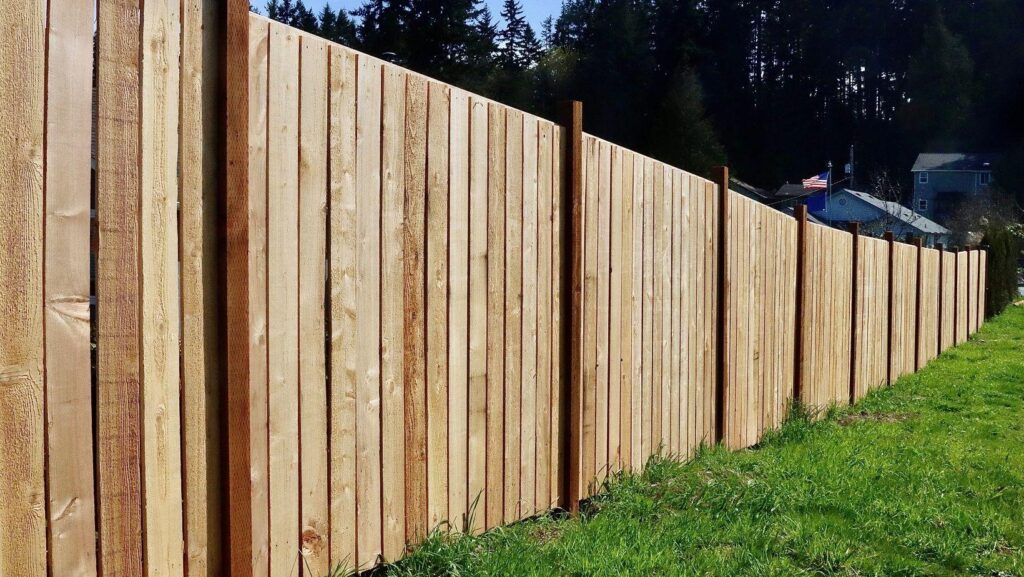
A cedar fence has a very different feel from a vinyl fence or chain link fencing system. Wood can look warm and natural, and many homeowners like how a privacy fence in cedar fits into a residential setting. Wood fencing also offers a variety of design and color choices, is lightweight, and provides great privacy, which helps explain why it remains a popular choice for residential properties. But wood also brings upkeep. Staining, sealing, possible repair, and the risk of rot all affect long-term cost, especially when homeowners want the fence to stand up well in a wet yard.
A vinyl fence may cost more upfront in some cases, but it is often a low-maintenance option. Vinyl does not need the same kind of upkeep as wood, and many property owners see that as a strong tradeoff. The national average cost for vinyl fencing installation is between $30 and $60 per linear foot, which is why some homeowners still view it as cost-effective over the long term. Ornamental iron can look sharp and provide good security, though iron and metal systems may need attention if rust becomes a concern. Wrought iron fences usually cost between $30 and $100 per linear foot, which is one reason they are often treated as the most durable but also the most expensive fencing option. Steel and aluminum fencing also require little to no upkeep, are very durable, and can be constructed from recycled materials, making them an environmentally friendly option. Some homeowners also compare steel details and decorative rail profiles when weighing style against maintenance.
Privacy Fence Pricing by Linear Foot Is Rarely Simple
The ranges below give a quicker way to compare common fence costs before looking at labor, materials, gates, and site conditions in detail.
|
Fence item |
Typical cost range |
|
Chain link fencing |
$5–$15 per linear foot |
|
Wood privacy fence |
$33.07–$53.00 per linear foot |
|
Vinyl fencing installation |
$30–$60 per linear foot |
|
Wrought iron fencing |
$30–$100 per linear foot |
|
Standard 4-foot gate |
$200–$600 each |
|
Double drive gate |
$300–$800 each |
|
Full fence installation |
$20–$60 per linear foot |
|
Complete residential project |
$4,000–$12,000 |
A privacy fence is one of the most common projects homeowners price by linear foot, but it is also one of the easiest to underestimate. In January 2026, the estimated cost to install a wood privacy fence starts at $33.07 to $53.00 per linear foot. A full-height privacy fence uses more wood, more materials, and often more concrete than a lighter open design.
Style matters too. A basic board-on-board privacy fence will not price the same way as a custom cedar fence with trim, decorative top rails, or upgraded gates. If the old fence needs removal, that adds labor. If the new privacy fence needs tighter spacing, stronger posts, or special repair to damaged soil areas, that changes the quote again.
This is why labor per linear foot can be helpful, but never complete.
Chain Link Fencing and Other Fence Styles Come With Different Labor Demands
Not every fence is built the same way. Chain link fencing can be the most cost-effective option for a commercial property, a dog run, or a simple residential boundary, often averaging $5 to $15 per linear foot installed. But even a chain link has variables. A heavier pipe framework, extra gates, tighter security needs, or site grading can change the labor.
A vinyl fence may look simple once it is finished, but the installation still depends on careful layout and solid post work. Ornamental iron and other metal styles often involve different anchoring needs, different rail systems, and more detail in the fit and finish. For a residential or commercial property, that changes labor and total cost, especially when builders are installing custom sections instead of standard panels.
So homeowners should compare more than one labor number when weighing fence styles.
Local Conditions in the Seattle Area Matter More Than People Expect
The Seattle area brings its own issues. Wet soil, changing weather conditions, seasonal rain, drainage problems, and local access challenges all affect how a fence is installed. What looks affordable at first can become more complex once the crew starts working, which is why many homeowners in Washington try to schedule work around the wettest parts of the season.
That is one reason a fence installation company with local experience can often give a better read on what a project will actually require. Local crews know what tends to hold up, what fails early, and which materials make sense for a long-lasting fence in this region. Every fence can break down over time under heavy rain, wind, and regular exposure, which is why repair questions and material choices matter so much in the Pacific Northwest.
For some homeowners, especially those comparing local quotes, it also helps to talk with Bellevue fencing experts who understand the expectations of that market, from design fit to quality, security, and how the finished structure will stand over time.
What Homeowners Should Ask Instead About Professional Fence Installation
Instead of asking only for labor per linear foot, ask what the quote includes. Does it cover old fence removal, post depth, concrete, hardware, cleanup, gates, future repair risk, and expected maintenance? Does it include a free consultation, a clear installation schedule, and a professional breakdown of where the money is actually going? A qualified team of fence contractors can also provide free consultations and estimates for fence repairs, even when they were not the original installers. Adding a standard 4-foot-wide gate can cost between $200 and $600 each, while double drive gates can run from $300 to $800, depending on material and weight.
A good custom quote should reflect the real project, not just a rough unit price. That gives homeowners a clearer idea of what to expect, helps neighbors avoid disputes about layout and gates, and leads to better decisions.
In the end, the lowest labor number does not always buy the best result. The national average for fence installation runs $20 to $60 per linear foot fully installed, with most homeowners spending between $4,000 and $12,000 for a complete residential project. A good fence installation should protect the property, suit the budget, and feel like a solid long-term investment built with the highest quality materials, careful workmanship, and the right plan from the start. The best results usually come from a properly constructed fence installed by experienced professionals who understand residential and commercial work, local materials, and what will actually last on site.