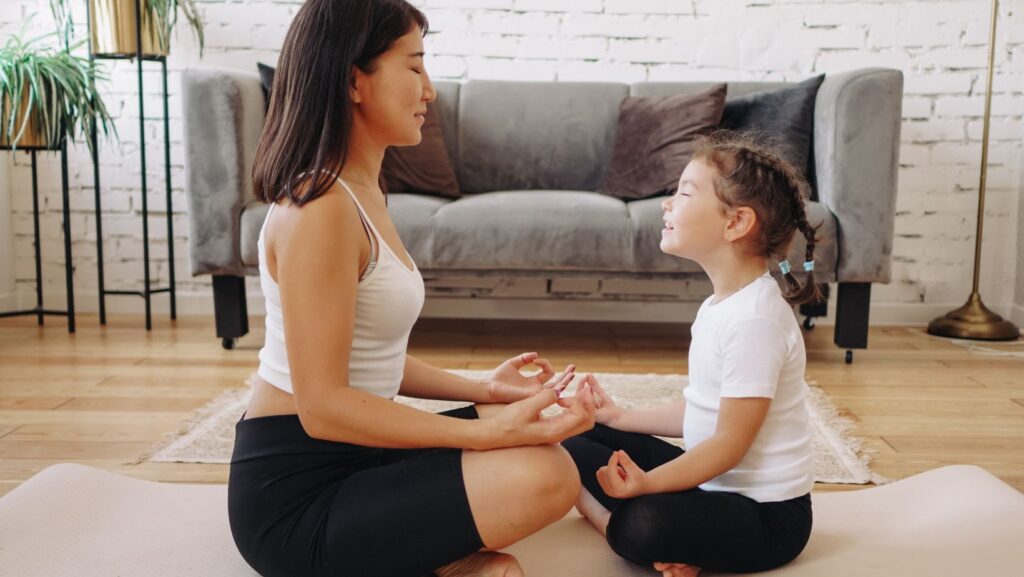
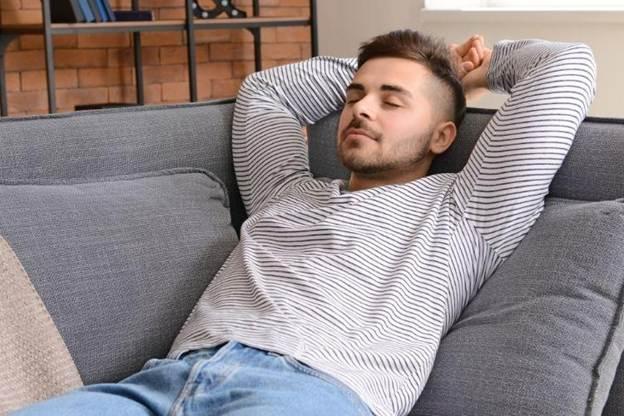
For years, relaxation often meant collapsing onto the couch, turning on the television, and letting the day fade into the background. It was passive, predictable, and, for many, not particularly restorative. Today, that mindset is shifting. More people are questioning whether their downtime truly helps them recharge or simply fills the hours between obligations.
This change reflects a broader awareness around wellness. Instead of treating relaxation as an afterthought, individuals are beginning to approach it with intention. They want their downtime to feel meaningful, restorative, and aligned with their personal goals. As a result, relaxation is evolving from something people default to into something they design.
The Influence Of Modern Stress
One reason for this shift is the nature of modern stress. Work no longer stays at the office, and digital devices blur the boundaries between productivity and personal life. Notifications, emails, and constant connectivity create a sense of mental clutter that does not disappear when the workday ends.
Because of this, traditional ways of unwinding often fall short. Scrolling through social media or binge-watching shows can feel like an escape, but it rarely delivers lasting calm. Instead, many people are left feeling overstimulated or mentally fatigued.
This has led to a deeper question: What does it actually mean to relax? For a growing number of individuals, the answer involves stepping away from passive habits and exploring practices that actively support mental clarity and emotional balance.
The Rise Of Intentional Rituals
Intentional relaxation is built around rituals rather than routines. While routines can feel repetitive, rituals carry meaning. They are designed with purpose, whether that purpose is to reduce stress, improve sleep, or simply create a moment of peace.
These rituals can take many forms. Some people turn to evening walks without their phones, allowing themselves to reconnect with their surroundings. Others create calming environments at home with soft lighting, music, or aromatherapy. Even small actions, like making a cup of tea and sitting quietly for ten minutes, can become powerful tools for relaxation when approached with intention.
What sets these rituals apart is mindfulness. Instead of multitasking or rushing through the moment, people are fully present. This presence transforms simple activities into meaningful experiences that genuinely help the mind and body unwind.
Exploring New Wellness Tools
As intentional relaxation gains popularity, people are also exploring new tools to support their routines. The modern wellness landscape offers a wide range of options, from meditation apps to wearable devices that track sleep and stress levels.
At the same time, there is growing curiosity around alternative approaches that prioritize feeling over function. Rather than focusing solely on productivity or performance, these tools aim to enhance mood, promote calm, and encourage balance.
For example, some individuals are incorporating options like THC edibles from Mood into their evening routines as part of a broader effort to unwind more consciously. When used responsibly, these kinds of products are often framed not as an escape, but as one element in a larger, intentional approach to relaxation.
The key here is personalization. There is no single formula for relaxation, and what works for one person may not work for another. The goal is to experiment thoughtfully and find tools that align with individual needs and preferences.
The Role Of Mindset In Relaxation
Intentional relaxation is not just about what people do; it is also about how they think. Many individuals are beginning to recognize that their mindset plays a crucial role in their ability to unwind.
In a culture that often glorifies busyness, relaxation can sometimes feel unproductive or even indulgent. This mindset creates guilt around taking breaks, which undermines the benefits of downtime. To truly relax, people must first give themselves permission to do so.
This shift in perspective is powerful. When relaxation is seen as a necessary part of overall well-being rather than a luxury, it becomes easier to prioritize. People start to view their downtime as an investment in their mental health, creativity, and long-term resilience.
Redefining Social Relaxation
Another interesting aspect of this trend is how it is influencing social habits. Traditional socializing has often revolved around high-energy environments or routines that do not always support well-being. Now, many people are seeking out more balanced and intentional ways to connect with others.
This might include hosting small gatherings at home, focusing on meaningful conversations rather than loud settings. It could involve shared activities like cooking, walking, or practicing mindfulness together. The emphasis is on quality over quantity, with a focus on creating experiences that leave people feeling refreshed rather than drained.
These changes reflect a broader cultural shift toward authenticity. People are becoming more selective about how they spend their time and who they spend it with, prioritizing connections that support their overall sense of well-being.
The Connection Between Relaxation And Sleep
One of the most noticeable benefits of intentional relaxation is its impact on sleep. Poor sleep has become a widespread issue, often linked to stress, screen time, and irregular routines. By creating intentional wind-down rituals, individuals can improve both the quality and consistency of their rest.
Simple practices like reducing screen exposure before bed, engaging in calming activities, and maintaining a consistent schedule can make a significant difference. Over time, these habits signal to the body that it is time to transition from activity to rest.
Better sleep, in turn, supports every aspect of wellness. It improves mood, enhances cognitive function, and strengthens the immune system. This creates a positive cycle, where intentional relaxation leads to better sleep, which then makes it easier to manage stress and maintain healthy routines.
A More Sustainable Approach To Wellness
Perhaps the most important aspect of intentional relaxation is its sustainability. Unlike extreme wellness trends that can be difficult to maintain, this approach focuses on small, consistent changes that fit naturally into daily life.
It does not require expensive products or complicated routines. Instead, it emphasizes awareness, balance, and personalization. By focusing on what truly works, individuals can create habits that are both effective and enjoyable.
This makes intentional relaxation accessible to a wide range of people. Whether someone has five minutes or an entire evening, there are opportunities to incorporate mindful practices that support well-being.
Looking Ahead: The Future Of How We Unwind
As awareness around mental health and wellness continues to grow, intentional relaxation is likely to become an even more important part of daily life. People are no longer satisfied with quick fixes or passive distractions. They are seeking deeper, more meaningful ways to recharge.
This trend is not about doing more; it is about doing things differently. It is about choosing quality over quantity, presence over distraction, and balance over burnout. By rethinking how they unwind, individuals are creating space for a more sustainable and fulfilling approach to wellness.
In the end, relaxation is not just about escaping stress. It is about building a lifestyle that supports calm, clarity, and connection. As more people embrace this mindset, the way we define downtime will continue to evolve, shaping a healthier and more intentional future.