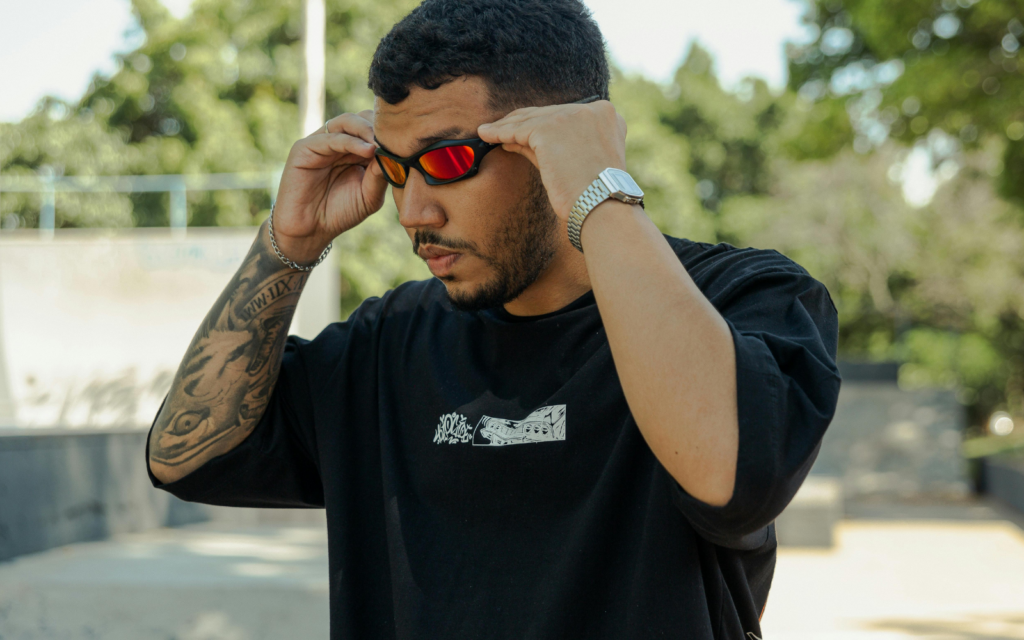
Streetwear has quietly become the default language of modern casual dressing. Walk through any major city in 2026 and you will see the same visual cues everywhere: boxy silhouettes, graphic tees layered under workwear jackets, thoughtfully chosen sneakers, and accessories that look expensive even when they are not. The catch is that the culture around streetwear has a reputation for burning holes in wallets, with hyped drops and resale markups making people think the only path into the look is a four-figure monthly clothing habit. That is not actually true. With a smarter approach to where you shop, how you build a wardrobe, and how you use tools like a JK Distro streetwear discount code to stack savings on the exact kind of urban, trend-forward pieces that anchor a modern fit, you can put together a wardrobe that looks current, distinctive, and genuinely yours for a fraction of what people assume it costs.
This guide walks through how to do that in a way that actually holds up in real life, not just on a mood board.
Start by understanding what “streetwear” actually is in 2026
The biggest mistake new streetwear shoppers make is chasing a specific brand or logo instead of learning the underlying formula. In 2026, streetwear has matured past the hypebeast era. It is less about who made the hoodie and more about how the pieces talk to each other.
The modern look leans into a few consistent principles:
Proportions matter more than labels. An oversized tee with slightly cropped cargo pants will almost always read better than a tight designer hoodie tucked into skinny jeans. Silhouette is the first thing people register, long before they clock a brand.
Texture and layering beat loud branding. The aesthetic has shifted toward workwear-inspired jackets, knit overshirts, wide-leg trousers, and subtle graphics. The people who look best wearing streetwear in 2026 are the ones mixing textures, not the ones wearing the most logos.
Neutral palettes carry more weight than bright colors. Black, cream, olive, washed denim, muted browns, and soft grays form the foundation of almost every strong streetwear wardrobe today. Color is a seasoning, not the main dish.
Once you internalize this, the whole game changes. You stop needing to spend six hundred dollars on a single hyped item and start understanding that a well-chosen thirty-dollar tee, paired correctly, will do ninety percent of the work.
Build a capsule first, not a collection
Budget streetwear works when you think like a stylist, not a collector. A capsule is a small group of pieces that all work with each other. Collectors end up with fifty items that do not pair well. Stylists end up with fifteen items that can be combined into thirty or forty distinct fits.
For a strong modern streetwear capsule, start with these pieces:
Three to five graphic or plain tees in neutral tones. These are your base layer. Boxy fits in heavyweight cotton look more premium than thin, clingy tees, and they cost the same or less if you shop smart.
Two pairs of pants with different silhouettes. A pair of wide-leg cargos and a pair of straight or slightly baggy jeans will cover almost every occasion. Avoid skinny cuts; the modern look lives in looser proportions.
Two overshirts or light jackets. A workwear chore coat and a zip-up track jacket together will carry you through three seasons.
One hoodie and one crewneck sweatshirt. Earth tones or washed black tend to outperform bright colors long-term.
Two pairs of sneakers. One clean, low-profile pair in white or cream for versatility, and one chunkier or more expressive pair for statement fits. You do not need six pairs to start.
Two accessories that do heavy lifting. A good cap, a crossbody bag, or a piece of layered jewelry often finishes a look better than another hoodie would.
That is roughly fifteen pieces. Built correctly, they produce weeks of outfits without repeating. And the total cost, if you shop with intention, can come in under five hundred dollars, which is less than one pair of resale-market sneakers.
Where the money actually goes on streetwear
Here is the honest breakdown of where to spend and where to save, based on how much each category affects the overall look.
Spend more on outerwear. Your jacket is the piece that gets seen the most. It is also the piece that benefits most from good construction, better materials, and a shape that holds up after washing. A well-made sixty-dollar chore coat will outperform a twenty-dollar one dramatically, and it will last years.
Spend moderately on pants. Fit matters a lot here, so it is worth paying for pants that drape properly. But you do not need to chase designer names. Mid-tier streetwear brands and direct-to-consumer labels routinely make pants that look identical to pieces four times the price.
Save aggressively on tees. Graphic tees are the single most over-priced category in streetwear. The difference between a forty-dollar indie brand tee and a one-hundred-and-twenty-dollar hype brand tee is almost never the shirt itself. This is where discount codes earn their keep. A rotating twenty-percent-off code on a brand you like can basically cut your tee budget in half over a year.
Save on accessories. Caps, beanies, bags, and chains can all be found at remarkable value if you know where to look. Independent streetwear shops and online urban retailers often have accessories priced well below what you would pay at a flagship store, and the quality is frequently better.
Split the difference on sneakers. Buy one pair of solid, lower-priced everyday sneakers from a brand like New Balance, Adidas, or a rising independent label. Then, if you want one statement pair, go for it, but wait for a sale or use a cashback stack to bring the price down.
How to actually save money without looking like you did
The mechanics of saving on streetwear in 2026 come down to three moves, and the people who look the best while spending the least almost all use some version of this stack.
Move one: shop independent urban retailers, not just the big brands. Independent streetwear shops and online urban retailers like JK Distro sit in a pricing sweet spot that larger players cannot match. They carry pieces that hit the same aesthetic cues as the brands dominating social feeds, but without the inflated markup that comes from paying for mall rent, massive marketing budgets, and celebrity collaborations. A heavyweight graphic tee from an independent retailer often lands in the twenty-five to forty-five dollar range, compared to sixty to one-twenty for equivalent pieces from hype-driven brands. The visual difference at arm’s length is negligible.
Move two: never check out without searching for a code. This is the single most underused habit in online shopping. Before you tap buy on any streetwear order, open a new tab, search the retailer’s name plus “coupon” or “promo code,” and scan a trusted aggregator for verified offers. Platforms like Wizza pull active codes from thousands of stores into one place, which matters because the alternative, hopping between five sketchy coupon sites with expired codes, kills the habit before it starts. A verified code that actually works at checkout is worth more than a page of dead ones. Even a ten or fifteen percent discount on a hundred-dollar order is real money, and over a year of buying, those savings compound into an entire extra jacket or two.
Move three: layer cashback on top. Cashback platforms pay you a percentage of your purchase back for shopping through their links. You can stack this with a coupon code at checkout, effectively getting paid twice for the same purchase. A ten-percent code plus a four-percent cashback return on a two-hundred-dollar order is twenty-eight dollars back in your pocket, and it takes about thirty seconds to set up.
Timing your buys
Streetwear follows predictable drop and sale cycles. Knowing them is like cheat codes for your budget.
End of season is the cheapest window. Late February and late August tend to be when retailers clear out seasonal inventory. Winter jackets hit their lowest prices in late February, often at forty to sixty percent off. Summer tees and shorts bottom out in late August.
Black Friday is still real. Despite every article saying the deals are fake, streetwear brands, especially mid-sized and independent ones, really do offer their deepest discounts of the year in late November. If you have been eyeing a jacket, a pair of premium sneakers, or a heavier investment piece, waiting six to eight weeks for Black Friday will usually save you fifteen to thirty percent.
Watch for restocks on staples. Core pieces like basic tees and hoodies often go on sale as retailers rotate inventory. Signing up for an email list is slightly annoying, but worth it for the first-order discount, which is usually ten to twenty percent off and often stackable with a public promo code.
Avoid release-day FOMO. The single most expensive mistake in streetwear is buying something because it is about to sell out. Nine times out of ten, either a restock is coming or a very similar piece will launch next season at a better price. Patience is the cheapest styling tool in the game.
Styling tricks that make cheap clothes look expensive
You can own the perfect capsule and still look off if the styling does not land. A few small adjustments make budget streetwear read as intentional rather than thrown together.
Cuff your pants. A single cuff at the ankle, or a slight break over the sneaker, transforms the silhouette. Wide-leg pants in particular benefit from a clean cuff.
Let your tee hang one to two inches below your overshirt. This is the signature move of the modern layered look. It adds dimension and makes the outfit feel considered.
Match your undertones, not your exact colors. Cream, off-white, bone, and ivory all pair well together without looking like a uniform. Same with charcoal, washed black, and deep navy. Pieces that are slightly off from each other look more curated than perfectly matched ones.
Wear socks you can actually see. Mid-calf tube socks in white or cream, peeking out between pant cuff and sneaker, is one of the easiest upgrades in modern streetwear. Nobody will clock why your fit looks better, but it will.
Iron or steam your graphic tees. This sounds overly fussy, but a crisp tee looks dramatically more expensive than a wrinkled one. A twenty-dollar steamer is one of the best fashion investments you can make.
Care for your sneakers. Clean white sneakers look premium. Dirty white sneakers look cheap, regardless of what they cost new. A basic sneaker cleaning kit will extend the life of your rotation by months.
Building the buying habit
The difference between people who always look good in streetwear and people who feel like they are always scrambling is almost entirely about habit, not income. The winners shop a specific way:
They buy slowly. One or two well-chosen pieces a month beats a haul of six mediocre items.
They wait for sales on planned purchases and grab codes for impulse ones.
They unfollow brands that make them feel like they need to chase drops. Less exposure, less pressure, better decisions.
They take a single photo of every outfit that works so they can repeat the formula instead of rebuilding from scratch.
They track what they actually wear. The shirt you put on three times a week is worth more than the four shirts sitting in the drawer. Let the data tell you what to buy more of.
The bottom line
Modern streetwear in 2026 rewards taste and patience far more than it rewards spending. The look is built on silhouette, layering, and thoughtful color choices, not on the size of the logo or the hype of the drop. With a small capsule of well-chosen pieces, the right independent retailers, a working discount code at checkout, and a cashback stack on top, you can put together a wardrobe that looks completely of the moment for a cost that genuinely surprises people.
The next time you are about to hit buy on a streetwear order, slow down for fifteen seconds. Find a code. Check for cashback. Pick the piece that fits your capsule rather than the one that just went viral. Do that consistently for six months, and you will end up with a closet full of clothes that look, to everyone else, like you spent a lot more than you did.
That is the actual secret. Not the brand. Not the budget. The approach.