
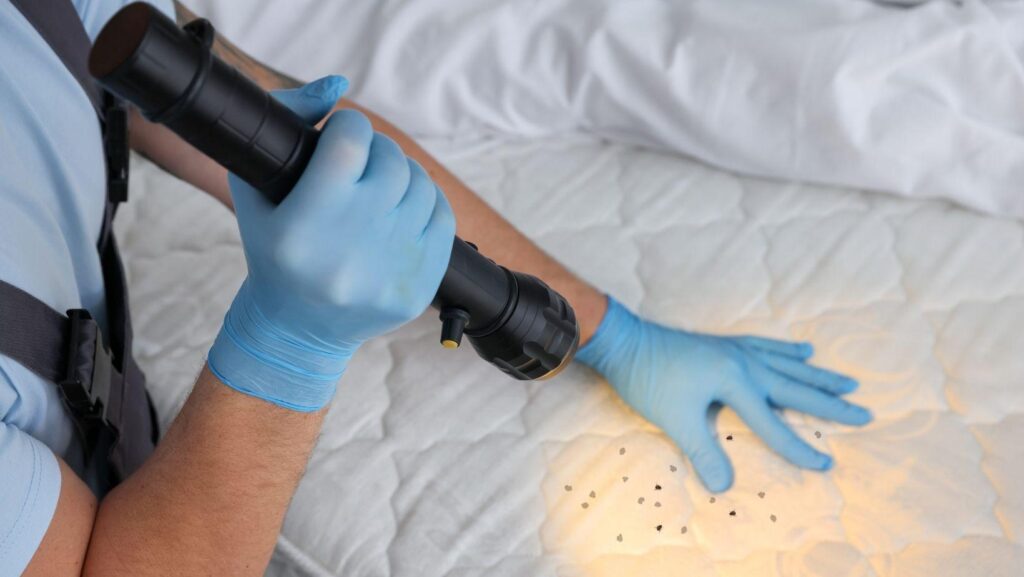
Discovering a bed bug infestation tends to trigger a very specific response: urgency. Whether it’s bites, visible insects, or signs on bedding, the immediate instinct is to resolve the problem as quickly as possible. In that urgency, many people make fast decisions about pest control providers – and those decisions can determine whether the infestation is resolved quickly or allowed to persist.
Choosing a bed bug exterminator is not simply about availability or price. It is about selecting a provider whose methods, processes, and experience align with the biological reality of bed bugs. Done correctly, treatment resolves the issue in a controlled timeframe. Done poorly, it leads to repeated visits, ongoing disruption, and escalating costs.
Understanding how to evaluate a provider at the point of need is key to avoiding those outcomes.
Why Bed Bug Treatment Requires Specialist Expertise
Bed bugs are not a general pest problem. They require a very specific approach due to their behaviour and lifecycle.
They:
- Hide in extremely small, hard-to-reach locations
- Lay eggs that are resistant to many surface treatments
- Can survive long periods without feeding
- Spread easily between rooms and properties
This means that general pest control experience is not always sufficient. A provider who primarily deals with rodents or general insects may not have the tools or processes required for effective bed bug eradication.
A reliable exterminator should demonstrate clear experience with bed bugs specifically, not just pest control in general.
Look Beyond Price: What “Cheap” Often Means in Practice
One of the most common mistakes when selecting a pest control provider is choosing based on price alone.
Lower-cost services often reflect:
- Use of basic chemical spray treatments only
- Limited inspection before treatment
- No structured follow-up or guarantee
- Multiple-visit treatment plans spread over several weeks
While the upfront cost may be lower, the total cost often increases due to repeated visits, ongoing disruption, and the need for eventual re-treatment.
A higher-quality provider may appear more expensive initially but is often more cost-effective because the infestation is resolved properly the first time.
Evaluate the Treatment Method Being Offered
Not all bed bug treatments are equal, and the method used will have a direct impact on both effectiveness and timeline.
Heat treatment
Heat treatment is widely considered the most effective method because it:
- Eliminates all life stages, including eggs
- Penetrates into hidden harbourage sites
- Typically resolves the infestation in a single visit
Chemical treatment
Chemical approaches may still be used but often:
- Require multiple visits over several weeks
- Do not reliably kill eggs
- Depend on repeated applications to catch hatching insects
A reliable exterminator should clearly explain the method they are proposing and why it is suitable for your situation, rather than offering a one-size-fits-all solution.
Ask About Inspection and Assessment Process
Effective treatment starts with accurate assessment.
A professional exterminator should:
- Ask detailed questions about signs of activity
- Identify likely infestation areas
- Assess whether the problem is localised or widespread
- Determine the appropriate treatment scope
Providers who offer immediate treatment without understanding the extent of the infestation may miss key areas, leading to incomplete results.
Check for Structured Treatment Processes
Reliable exterminators follow a defined process rather than applying ad hoc treatments.
This typically includes:
- Pre-treatment assessment
- Preparation guidance for the property
- Controlled treatment execution
- Post-treatment verification
This structure is important because bed bug eradication depends on consistency and thoroughness, not just the application of a product or method.
Thermopest operates with structured treatment protocols that combine heat-based systems with supporting methods where required, ensuring that treatment is aligned with the full scope of the infestation rather than limited to visible areas.
Understand What Is Included in the Service
Not all pest control services include the same level of coverage.
Before committing, it is important to clarify:
- Whether the entire property is assessed or just one room
- What preparation is required before treatment
- Whether follow-up inspections are included
- What happens if activity is detected after treatment
A reliable provider will be clear about what is included and what is not, reducing uncertainty after the initial visit.
Look for Guarantees and Accountability
A key indicator of a reliable exterminator is the presence of a clear service guarantee.
For bed bug treatment, this often includes:
- A defined guarantee period (commonly around 60 days)
- Clear criteria for what constitutes a treatment failure
- A commitment to follow-up treatment if required
Guarantees are important because they show that the provider is confident in their process and prepared to stand behind the outcome.
Consider Response Time and Availability
When dealing with bed bugs, response time matters.
A reliable exterminator should:
- Offer prompt initial consultation or assessment
- Be able to schedule treatment within a reasonable timeframe
- Provide clear communication throughout the process
Delays allow infestations to spread, increasing both treatment complexity and cost.
Assess Professionalism and Communication
The way a provider communicates is often a strong indicator of overall service quality.
Look for:
- Clear, structured explanations of the problem and solution
- Willingness to answer detailed questions
- Transparency about limitations or uncertainties
- Professional tone without exaggerated claims
Overly simplistic or overly confident assurances can be a sign that the provider is not fully addressing the complexity of the issue.
Avoid Common Bed Bug Exterminator Selection Mistakes
When choosing a bed bug exterminator, several mistakes frequently lead to poor outcomes:
- Choosing the first available provider without comparison – Urgency can lead to rushed decisions without proper evaluation.
- Assuming all pest control services are the same – Bed bug treatment requires specific expertise and methods.
- Relying on DIY before seeking professional help – This often spreads the infestation and makes treatment more complex.
- Not clarifying the treatment method – Different approaches produce very different results.
- Ignoring guarantees or service structure – Lack of accountability increases long-term risk.
Avoiding these mistakes significantly improves the chances of resolving the infestation quickly and effectively.
The Right Choice Determines the Outcome
When a bed bug infestation occurs, the instinct to act quickly is understandable. However, speed of decision-making should not come at the expense of choosing the right provider.
A reliable exterminator is defined not by how quickly they can arrive, but by how effectively they can resolve the problem. This comes down to method, process, and experience with bed bug behaviour.
Selecting a provider who uses structured, comprehensive treatment approaches ensures that the infestation is addressed at its source, rather than temporarily reduced.
In practice, the right choice leads to a controlled, single-cycle resolution. The wrong choice often leads to repeated treatments, prolonged disruption, and unnecessary cost.
FAQs
What should I look for in a bed bug exterminator?
Look for experience with bed bugs specifically, clear treatment methods, structured processes, and a defined service guarantee.
Is heat treatment better than chemical treatment?
In most cases, yes. Heat treatment eliminates all life stages in one process, while chemical treatments often require multiple visits.
How quickly should I act after discovering bed bugs?
As quickly as possible. Delays allow the infestation to spread and become more difficult to treat.
Do all exterminators offer guarantees?
No. A clear guarantee is a strong indicator of confidence and accountability in the treatment process.
Can I treat bed bugs myself before calling a professional?
DIY attempts often make the problem worse by spreading the infestation or delaying effective treatment.