Almost everyone, at some point, has had a version of the same week. You start Monday with good intentions. You’re going to drink more water, eat more vegetables, stop snacking on whatever is closest at 3pm, maybe even meal prep on Sunday. By Wednesday, work is louder than expected, the fridge is depressing, and dinner is whatever is fastest. By Friday, you’ve quietly given up on the plan, not because you didn’t care, but because life simply moved faster than your shopping list.
This is one of the most common patterns in modern wellness, and it’s almost never a willpower problem. It’s a logistics problem. The fix isn’t another diet or a more inspiring quote on the fridge. It’s removing friction from the things you already wanted to do. And one of the simplest, most underrated ways to do that is rethinking how groceries and snacks actually arrive at your house.
Why “Eat Better” Plans Usually Stall
If you look closely at most failed attempts to eat better, the breakdown almost always happens at the same three points:
The first is the trip itself. Adding a grocery run to a week that’s already packed turns shopping into something you avoid until you can’t, which is usually the moment you’re hungry, tired, and most likely to grab whatever is fast.
The second is decision fatigue. By the time you’ve made dozens of choices at work, every additional small decision (what’s for dinner, what to put in lunches, what to buy when you finally do go shopping) feels heavier than it should. People tend to default to the easiest option, not the best one.
The third is variety. Weeks two and three of any “better eating” plan are where things usually fall apart, because the same five recipes get boring fast, and boredom drives people back toward convenience food.
None of these are character failures. They’re predictable design problems. Once you see them as design problems, the answer becomes obvious: change the system, not the person.
The Quiet Power of Delivery Done Well
For a long time, “grocery delivery” meant either expensive, gimmicky meal kits or surge-priced apps that just brought you the same supermarket experience with a fee on top. That’s changed. The current generation of grocery and snack delivery services is built around solving the exact friction points listed above.
The good ones do three specific things well:
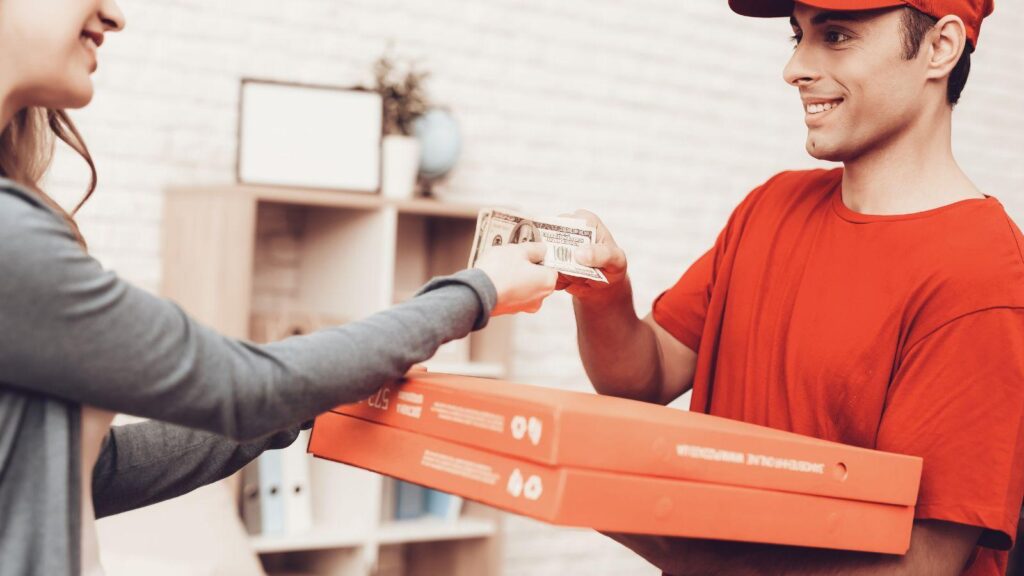
They handle the trip. The food comes to you on a schedule that fits your life, not the other way around. The “should I run to the store tonight” debate disappears.
They reduce decision fatigue. A flexible weekly box, customizable around what you actually want, becomes a default. You stop deciding from scratch every week and start curating an evolving list.
They expand variety. Because you’re choosing from a wider catalog than your local store, you naturally end up trying more produce, more pantry staples, and more better-for-you snacks than you would on a normal grocery trip.
A good example is a grocery and snack delivery service like Misfits Market, which delivers organic produce, pantry staples, and better-for-you snacks straight to your door. Their model is built around flexibility (you can customize, skip, or change orders without subscription pressure), and they sell groceries that are curated for quality, nutrition, sustainability, and flavor rather than appearance, often sourced from smaller farms and emerging producers. For people whose week tends to derail before they make it to the store, that combination of “it just shows up” plus “I actually want to eat it” is the entire game.
Where Snacks Quietly Matter More Than Anyone Admits
There’s a tendency to think of “real” eating as the three big meals, with snacks as the indulgent margin. For most people, the truth is the opposite. Snacks are where the most decisions, and the most slips, actually happen.
Think about your last week. Breakfast was probably similar each day. Lunch was probably one of three things. Dinner had the most variety, but also the most planning. Snacks, however, were where the unplanned eating lived: the 10am pastry because you skipped breakfast, the 3pm vending machine because the meeting ran long, the 9pm cereal because you didn’t have anything better.
Better-for-you snacks in the house don’t fix every food decision, but they fix a surprising number of them by changing what’s reachable when you’re tired. Whole-grain crackers next to good cheese, dried fruit and nuts within arm’s reach, real protein bars in the desk drawer, a stack of clean ingredient pantry items on the shelf. None of it requires willpower. It requires being there.
This is where delivery starts to actually move the needle. If your snacks are showing up regularly, in better quality and broader variety than your closest store carries, the default snack changes. And the default snack drives a lot more of your overall eating than the planned meal does.
Building a Realistic Weekly Rhythm
If you’re trying to use a grocery and snack delivery service to actually eat better (rather than just stockpile good intentions), a few things make a real difference:
Anchor it to a slot you already have. Tie the delivery to a day and time that’s already calm in your week, not your busiest day. Unboxing on a Tuesday evening when you have ten quiet minutes is very different from groceries arriving in the middle of a Friday work crunch.
Make a small “default snack station.” Pick one drawer, one counter spot, or one shelf. Put the better-for-you snacks there. Out of sight is out of mind. In sight is reach-for-it.
Don’t over-plan. A common mistake is treating delivery like a meal-kit and trying to map every box to specific recipes. A more sustainable approach is to keep a base of staples (greens, proteins, whole grains, fruit, snacks) and assemble freely.
Skip without guilt. Travel weeks, leftover-heavy weeks, and “we ate out a lot” weeks are normal. Skipping a delivery is part of the system, not a failure of it. The whole point of flexible delivery is that it bends to your life.
Notice what you actually finish. After a few weeks, you’ll see patterns. Whatever you keep finishing is what your real life actually wants. Order more of that, less of what stays in the pantry.
The Bottom Line
Eating well isn’t really about knowing the right things. Most people already know the right things. It’s about making the right things easier than the wrong things. The kitchen, the schedule, and the snack drawer beat any motivational speech every time.
Grocery and snack delivery, used well, isn’t a luxury or a lifestyle accessory. It’s a quiet structural change. It removes the trip, lowers the decision count, and broadens the variety, which together close the gap between the way you wanted to eat and the way you actually did. That’s the kind of small, well-designed system change that makes the rest of a wellness plan possible.
If “eating better” has felt like a willpower problem for a long time, the simplest first move might not be more discipline. It might just be changing how the food gets there.
FAQ: Smart Grocery & Snack Delivery Explained
1. Why do “eating better” plans usually fail even with good intentions?
Most plans fail because of logistics, not motivation. Busy schedules, decision fatigue, and lack of convenient healthy options make it easy to default to fast, less nutritious choices. By midweek, convenience often wins over planning.
2. How does grocery and snack delivery actually help with healthier eating?
Delivery reduces friction in three key ways: it removes the need for store trips, lowers the number of daily food decisions, and increases access to healthier and more varied options. This makes better choices the default rather than something you have to constantly plan for.
3. Are snack choices really that important for overall diet habits?
Yes. Snacks often account for the most unplanned eating during the day—like vending machine food, late-night cravings, or rushed office snacks. Keeping better-for-you snacks easily available can significantly improve overall eating patterns without requiring extra effort or willpower.
4. Do grocery delivery services limit variety compared to shopping in-store?
Not necessarily. Many modern services offer a wider selection of produce, pantry items, and specialty snacks than a single local store. This can actually increase variety over time, especially for people who tend to repeat the same limited grocery routine.
5. How can someone make grocery delivery actually work long-term?
Consistency and simplicity matter more than strict planning. Anchoring deliveries to a calm day, keeping a visible snack station, ordering flexible staples instead of rigid meal kits, and skipping deliveries when needed all help create a sustainable system that fits real life rather than ideal routines.