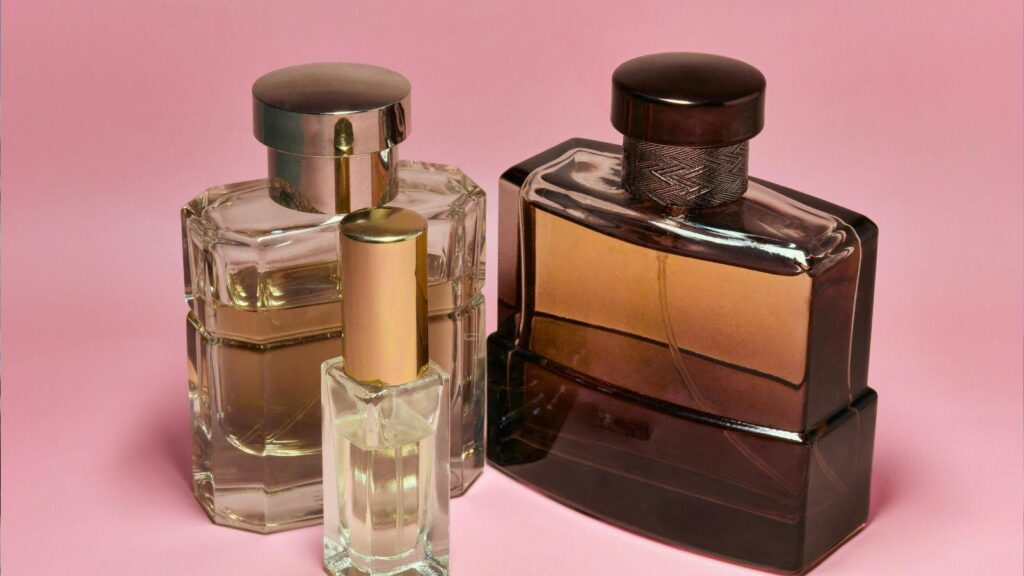
According to the Transportation Security Administration (TSA), perfume in carry-on bags is permitted only in containers of 3.4 oz (100 ml) or less – a rule that has quietly reshaped how fragrance lovers approach packing. Rather than squeezing one full-size bottle into a quart bag and hoping for the best, more travelers are building a deliberate mini fragrance collection tailored to their itinerary, climate, and mood. The result is a more versatile, stress-free system that a single signature bottle simply can’t replicate.
Why Does a Travel Perfume Set Need a Strategy at All?
Grabbing any three minis off the shelf is not the same as building a set that actually works on the road. The difference lies in versatility and intentionality – choosing scents that cover different occasions, weather conditions, and emotional registers without overlapping.
Sales of women’s fragrances under 1 oz grew at four times the rate of other sizes in the first nine months of 2024, which tells a clear story: consumers have moved past thinking of minis as a compromise. They’re a category in their own right. A well-planned fragrance collection mini set can do more for a trip than a single signature scent ever could – one bottle can’t carry a beach morning, a business dinner, and a late-night cocktail bar on its own.
The key is treating the set as a capsule wardrobe for scent, where each piece has a clear role.
What Formats Actually Work for Travel?
Not every small bottle is equally practical once you’re dealing with checked luggage limits, humidity changes, and the reality of pulling things in and out of a bag all week.
Spray Atomizers vs. Rollerballs vs. Solid Perfumes
Each format has a different use case, and knowing the trade-offs prevents packing regrets:
- Spray atomizers (5–10 ml): Best projection and true-to-bottle scent performance. Refillable versions allow decanting from full-size bottles at home, which is cost-effective for niche fragrances.
- Rollerballs: More controlled application, minimal risk of spilling, and TSA-friendly by design. Slightly softer sillage, which suits close-contact settings like planes and meetings.
- Solid perfumes: Zero liquid, zero TSA concern. Scent tends to be subtler and may shift slightly on skin compared to the EDP version, but they’re unbeatable for ultralight packing.
The Size Math Worth Knowing
|
Format |
Typical Size |
TSA Carry-On? |
Scent Longevity per Use |
Best For |
|
Mini spray bottle |
5–10 ml |
✅ Yes |
4–8 hours (EDP) |
Daily wear, projection |
|
Rollerball |
7–10 ml |
✅ Yes |
3–6 hours |
Office, flights, intimate settings |
|
Solid perfume |
3–8 g |
✅ Yes (no liquid) |
2–4 hours |
Ultralight trips, hot climates |
|
Refillable atomizer |
Up to 30 ml |
✅ Up to 3.4 oz |
Same as the source bottle |
Long trips, premium scents |
|
Sample vial |
1–2 ml |
✅ Yes |
1–2 applications |
Testing new scents en route |
Tip: Refillable atomizers are worth the one-time investment. Brands like Travalo and MUJI make reliable options under $20 that work with most spray-nozzle bottles.
How to Build a Mini Fragrance Collection by Trip Type
The number of scents to bring depends less on trip length and more on trip variety. A five-day city break with business meetings and evening plans needs more range than a week at a beach resort.
Building Around Occasions, Not Just Days
A solid mini fragrance collection covers at least three registers: daytime/casual, evening/formal, and fresh/active. Here’s a practical way to think about it:
- Daytime casual: light florals, citrus, or green scents – high wear, low fatigue
- Evening/formal: orientals, ambers, or woody musks – richer projection, longer-lasting
- Active/gym/beach: aquatic, ozonic, or clean-skin musks – heat-resistant, easy to reapply
For a trip with significant climate variation (say, a flight from London to Southeast Asia), factor in how heat amplifies fragrance. A heavy oud that smells elegant in a cool office can become overwhelming at 35°C. Lighter concentrations – Eau de Toilette over Eau de Parfum – tend to perform more predictably in warm, humid conditions.
A Step-by-Step Process for Building the Set
Are Discovery Sets Worth It for Travel?
Yes, especially for frequent travelers or anyone building their first fragrance collection mini set. Discovery sets from houses like Maison Margiela, Jo Malone, and Diptyque aren’t just samplers; many are designed with travel specifically in mind, with 5–10 ml bottles that integrate neatly into the 3-1-1 bag.
Beyond the practicality, there’s a real case for using travel as an opportunity to test scents in different environments. Fragrance behaves differently on hot skin versus cold, in dry air versus humidity, and after physical activity. A scent that seemed average in a shop might reveal unexpected depth after a day of sightseeing – and vice versa.
How to Pack and Protect Your Perfume on the Go
Even TSA-compliant bottles need a bit of care to arrive undamaged.
Packing to Prevent Leaks and Breakage
- Wrap glass bottles in a microfiber cloth or place them inside a clean sock before putting them in the quart bag – even a minor impact can chip spray nozzles.
- Store bottles upright where possible. Rollerball applicators are particularly prone to slow leakage if stored sideways in heat.
- Keep fragrances away from direct sun and heat in luggage. Checked bags left on hot tarmacs can reach temperatures that degrade scent compounds in as little as a few hours.
- For checked luggage, put bottles inside a zip-lock bag inside a toiletry pouch – two layers of spill protection for flights where cabin pressure changes affect sealed containers.
Extending Your Supply Mid-Trip
One underused trick: layer fragrance with an unscented body lotion before applying. Moisturized skin holds scent significantly longer than dry skin, which means fewer reapplications and a longer-lasting supply. This is especially relevant in dry air-conditioned environments like planes and hotel rooms.
When Should You Rotate Scents Within a Trip?
Match scent to setting, not just time of day. Many travelers default to one perfume per day, but switching mid-day – applying something fresher after a beach afternoon before an evening dinner – is more effective and uses less total product than reapplying the same evening scent twice.
A practical rotation for a four-day beach-to-city trip might look like:
- Morning: citrus or aquatic (light, heat-friendly)
- Afternoon activity: nothing, or a quick rollerball touch-up of the morning scent
- Evening out: a warmer, more complex fragrance from the set
- Spa/relax day: a soft musk or skin scent that won’t clash with treatments
This approach also reduces the temptation to overload the bag. With a fragrance collection mini set of three scents and a clear rotation plan, two weeks of varied occasions are genuinely manageable – no full-size bottles required.
Frequently Asked Questions
Can I bring perfume in both my carry-on and checked bag on the same flight? Yes. TSA rules apply only to carry-on bags. In your checked luggage, perfume bottles up to 500 ml (17 oz) per container are permitted, with a total aggregate limit of 2 liters per person for toiletry and cosmetic aerosols. This means larger bottles can travel checked while your travel minis stay accessible in the cabin.
Do niche or artisan perfume houses offer official travel-size bottles? Many do, though availability varies by brand. Houses like Byredo, Le Labo, and Frederic Malle offer official 10 ml travel sprays for select scents. Where they don’t, refillable atomizers are the cleanest workaround – buy a high-quality atomizer and decant from full-size bottles before you leave.
How do I prevent fragrance from fading faster in hot travel climates? Apply to pulse points on moisturized skin (wrists, inner elbows, the base of the throat), avoid rubbing the wrists together after application as this breaks down the top notes, and lean toward Eau de Parfum concentrations over Eau de Toilette in high-heat environments. Lighter-formula scents with citrus top notes will fade fastest in heat – save those for cool mornings or air-conditioned settings.