
I bought a farmhouse table in March 2022 that ruined a perfectly good dining room remodel. $8,000 total between the contractor work and this walnut slab from a furniture place in Naperville. Gorgeous in their showroom. Got it home, centered it in the room, and realized nobody could sit on the window side. Eleven inches too wide. The chair legs would catch the radiator pipe every time you tried to scoot in. My wife sat over there once, whacked her elbow on the cast iron, and that was that. We ate with one side of the table completely empty for three months. I sold it on Marketplace eventually. Lost about $1,400. That whole experience is the reason I now use image to 3d room planning tools before I spend money on anything.
Your Brain Lies to You About Room Sizes
Apparently there’s research on this. Some university in Germany (Tubingen, I had to Google it afterward) found that people get room dimensions wrong by 15 to 25 percent just from looking around. We think things are wider than they really are. I read that paper at like 11 at night after the table debacle and honestly felt vindicated and stupid at the same time.
Because it explained everything. That desk I bought for my home office back in 2019? Blocked the closet door. By four inches. I spent a year and a half just wrenching the door open sideways and never once stopped to think maybe the desk was the problem. And a big mirror I hung in the upstairs hallway made the whole corridor feel weirdly tight. Took it down eventually. Corridor felt normal again immediately. Both of those were me trusting my eyes instead of a tape measure, and both cost me money I didn’t need to spend.
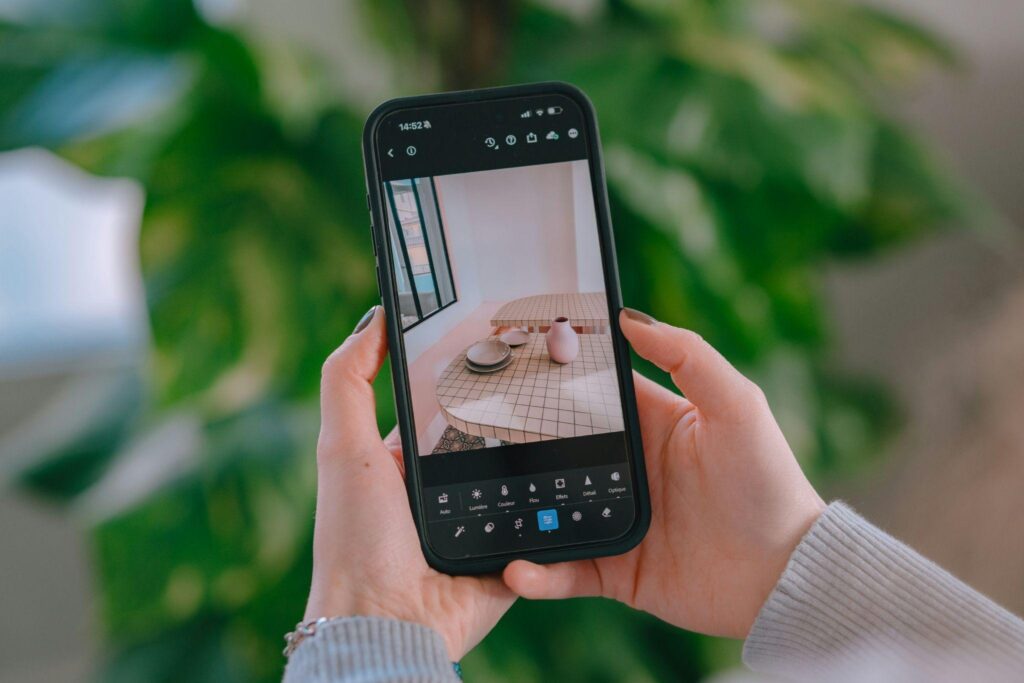
So after the table thing, I started doing this: I take phone photos of whatever room I’m working with and convert them using image to 3d software. You get a model of your actual room with real dimensions, not some generic floor plan. You can stick furniture in there and slide it around and see whether things fit before you order anything. I tried it on my living room first and just sat there for a while, thinking about how differently the last five years would have gone if I’d had this.
Nobody Writes About the Part That Actually Matters
Go read any home design blog for ten minutes and count how many posts are about choosing materials versus how many are about whether things physically fit in your room. It’s absurd. Everybody wants to talk about tile and paint colors and which hardware finish is trending this season. And those are real decisions, sure. But they’re meaningless if you can’t open your fridge because your island is in the way.
My sister-in-law went through this last April. Spent a solid year building a Pinterest board. Sage green lowers, brass pulls, butcher block counters. Great taste. No argument there. She also wanted a kitchen island. Kitchen is eleven feet eight inches across. I took photos of her space, built a 3D model, dropped the island in, and opened the fridge door in the simulation. Forty-one centimeters between the fridge door and the island edge. You physically cannot stand in front of an open fridge in that configuration.
Got her to go with a rolling cart instead. $430 from Crate & Barrel. Parks against the wall, rolls out when she needs the surface. Does the job. Running her kitchen through the image to 3d process took maybe twenty minutes. That twenty minutes saved her about three grand and probably preserved her sanity during morning coffee for the foreseeable future.
The bigger the project, the more this matters, by the way. There’s a useful piece on how to prepare for windows replacement that talks about the same idea. Plan first. Measure first. Then spend.
Our Living Room Was Doing Four Jobs Badly
TV watching, reading, 6 a.m. yoga, and a Lego metropolis that my kid maintains with the seriousness of a city planner. All in 28 square meters. Before the dining room mess, I would’ve just gone to a store and bought a sectional that looked about right. This time I took photos, made the model, and tested layouts on a Tuesday night.
The third option showed that the sectional we wanted would leave nine inches between its armrest and the garden door frame. Fine in August when the doors are propped open. Terrible in January when they’re shut and you’re squeezing past the sofa arm every time you walk through. I never would have predicted that problem standing in the room in September. Wound up buying a 78-inch sofa for the north wall instead, plus two IKEA Poang chairs that tuck under the console table on yoga mornings. Tried six layouts in the model. Found one that actually serves all four purposes without any of them feeling compromised.
One thing though. Handle your fireplace and chimney cleaning before you rearrange a room that has one. I moved every piece of furniture, felt great about the new layout, and then remembered the chimney hadn’t been swept since 2020. Moved it all again two weeks later for the sweep guy. Sequence matters.
You Don’t Need to Be Remodeling to Use This
A neighbor came over last month asking about her bedroom. No renovation, no budget, she just felt like the room was smaller than it should be. I took four phone photos and ran the image to 3d conversion. Answer was right there. She had an IKEA HEMNES wardrobe sitting perpendicular to the window wall, which visually chopped the room in two. Moved it flat against the back wall in the model, showed her the comparison. Same exact furniture. Room looked completely different. She repositioned it that weekend and said it felt like she’d gained a whole extra section of the room.
Outdoor spaces have this same issue. Setting up an outdoor living area is just interior planning with weather. People buy big patio dining sets in a showroom that has 800 square feet of display space. Their actual deck is 90. Same mistake I made with the walnut table, just outside.
Where This Falls Short
Colors look different on screens than they do in person. Everyone knows this but it still catches people off guard when the terracotta they loved in the model shows up looking kind of pink in real life. And you can’t feel texture through software. Picking upholstery still requires getting your hands on a swatch. No way around that.
Lighting is the other thing. How a specific room looks at 7 a.m. on a Tuesday in December with one floor lamp on and the blinds half open is not something image to 3d software can replicate yet. Too many variables. Daylight rendering is decent. Everything else, not so much. But for figuring out whether furniture fits, whether you can walk past it, whether it makes the room feel bigger or smaller? I haven’t found anything better. Not Pinterest boards. Not floor plans sketched on napkins. Not walking around an empty room holding your arms out trying to imagine a sofa.
About a dozen people have watched me do this at this point. They all say they wish they’d known sooner. I understand the sentiment. My introduction to the concept cost me a walnut farmhouse table, $8,000, and three months of eating dinner like it was a penalty.