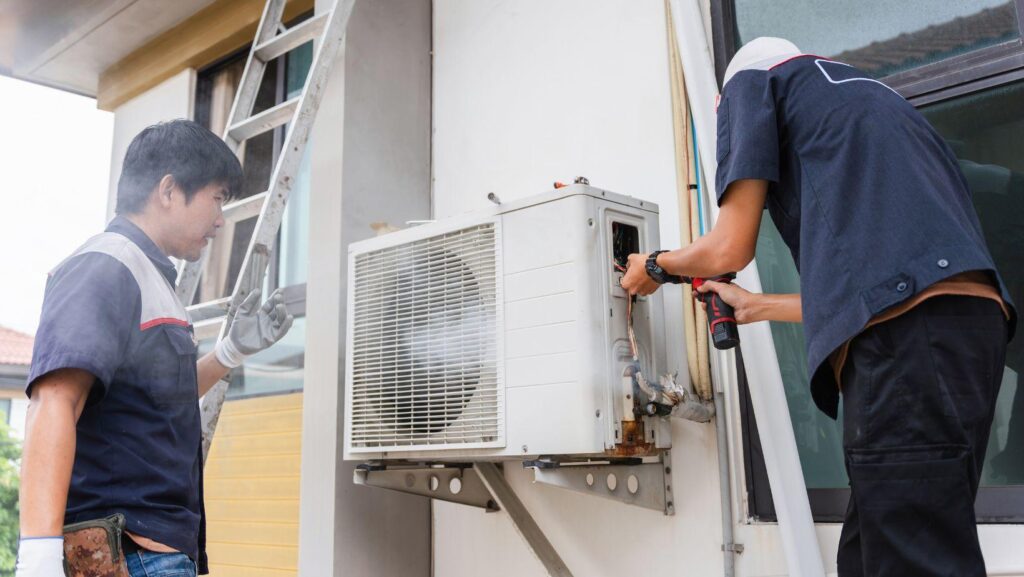
A furnace should run long enough to warm the home steadily, then shut off after the thermostat reaches the set temperature. When it keeps turning on and off too quickly, the problem is often called short cycling. This can leave rooms uncomfortable, raise energy use, and place extra strain on parts that are meant to start and stop in a controlled pattern. An HVAC contractor is needed because short cycling can stem from airflow issues, thermostat errors, overheating, dirty parts, equipment sizing, or safety controls reacting to a deeper issue within the heating system.
Short Cycling Clues
Finding the Reason Behind Frequent Starts
An HVAC contractor helps determine whether the furnace shuts down because the home is already warm or because the system is being interrupted. These are very different situations. If the thermostat is placed near a heat source, direct sunlight, a supply vent, or a drafty hallway, it may read the temperature incorrectly and signal the furnace to stop too soon. If the thermostat is working correctly, the contractor may check airflow, burners, safety switches, the blower motor, and the heat exchanger area. Homeowners comparing heating options, such as geothermal HVAC in Freeport, may also need help understanding how proper system design affects cycling and comfort. Frequent starts can wear out ignition parts, motors, and controls because the furnace never settles into a steady heating rhythm. A careful inspection helps avoid random part replacement and points to the actual reason the system keeps stopping before the home feels evenly warm.
Checking Airflow and Overheating Issues
Restricted airflow is one of the most common reasons a furnace turns on and off repeatedly. When warm air cannot move through the system properly, heat can build up inside the furnace. To protect itself, the furnace may shut down through a safety limit switch. After it cools, it may start again, only to repeat the same pattern. An HVAC contractor checks the air filter, return vents, supply registers, blower wheel, duct restrictions, and airflow balance to see whether the furnace is getting enough air. A clogged filter or blocked return can cause the system to overheat even if the furnace itself is otherwise working. Dirty blower parts can also reduce air movement and cause uneven heating. Fixing airflow problems helps the furnace run longer, safer cycles. It can also improve room comfort because heated air reaches more areas instead of building up inside the equipment.
Testing Thermostat and Control Problems
A furnace may short cycle because the controls are sending the wrong signals. The thermostat may be miscalibrated, wired incorrectly, mounted in a poor location, or set to respond too often. Some thermostat settings are overly sensitive and may call for heat after a very small temperature change, leading to repeated starts. An HVAC contractor can test thermostat operation, inspect wiring, check communication with the furnace, and confirm that the system responds properly when heat is requested. Control board issues, weak relays, loose wiring, and flame sensor problems can also cause the furnace to stop unexpectedly. If the furnace starts, runs briefly, and shuts down before heating the home, the issue may not be the thermostat alone. Careful testing separates control trouble from airflow or mechanical trouble. This matters because short cycling can appear to be the thermostat but may involve several interconnected parts.
Looking at Equipment Size and Home Conditions
Sometimes a furnace turns on and off quickly because it is not properly matched to the home. A furnace that is too large can heat the area near the thermostat fast, shut down, and leave other rooms cooler. This creates short cycles, uneven comfort, and repeated temperature swings. An HVAC contractor can evaluate whether the furnace size matches the home’s square footage, insulation, window condition, duct layout, ceiling height, and heat loss. Older homes, additions, closed-off rooms, and remodeled spaces can all change heating needs over time. Even if the furnace worked well years ago, the home may no longer match the original setup. The contractor may recommend duct adjustments, zoning, thermostat relocation, insulation improvements, or equipment changes when sizing is part of the problem. Looking at the home as a whole helps address cycling issues rather than treating the furnace as an isolated machine.
Preventing Wear, Noise, and Higher Costs
Short cycling can create more problems the longer it continues. Each startup uses energy and places stress on the ignition system, blower motor, gas valve, control board, and other working parts. When the furnace starts and stops too often, it may make more noise, heat unevenly, and require repairs sooner than expected. An HVAC contractor helps reduce this strain by restoring steady operation and correcting the issue that causes frequent shutdowns. The repair may be as simple as replacing a clogged filter or as involved as fixing control parts, improving duct airflow, or addressing overheating. Service can also reveal warning signs that a homeowner may miss, such as burnt wiring, unusual odors, weak flame patterns, or blocked vents. Early attention can help protect comfort, reduce waste, and prevent a minor cycling concern from turning into a cold-weather breakdown.
Steady Heat Starts With Diagnosis
A furnace that keeps turning on and off should not be ignored, as repeated cycling can signal airflow restrictions, thermostat trouble, overheating, control failure, or poor equipment sizing. An HVAC contractor is needed to test the system safely and find the real cause before more parts are affected. Once the issue is corrected, the furnace can run longer, steadier cycles and heat the home more evenly. Timely service can also reduce noise, limit energy waste, and protect the equipment during colder months. A steady furnace gives the home more reliable warmth and fewer interruptions.