
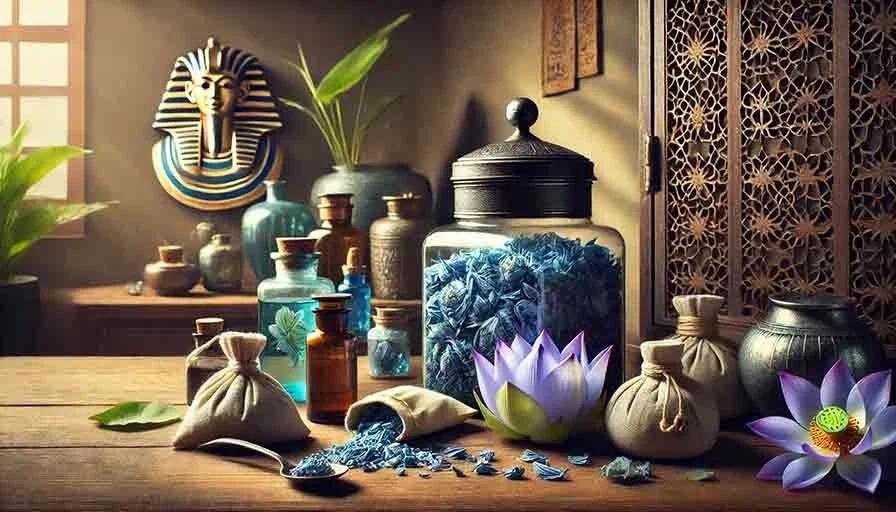
For thousands of years, few plants have captured the imagination of civilizations as profoundly as the Egyptian blue lotus flowers that flourished along the Nile. Admired for their striking beauty and woven deeply into the cultural fabric of ancient Egypt, these remarkable aquatic blooms have survived the passage of time to become some of today’s most sought-after botanicals. From temple walls and royal tombs to contemporary wellness products and botanical collections, the story of the blue lotus is one of resilience, fascination, and enduring appeal.
Today, people across the globe continue to explore the history, symbolism, and traditional uses of these extraordinary flowers. Their journey from the banks of the Nile River to modern homes reflects a unique blend of cultural heritage and growing appreciation for nature’s timeless treasures.
The Birthplace of a Legendary Flower
Ancient Egypt is often regarded as the spiritual home of the blue lotus. Flourishing in the calm waters of the Nile, the flower became closely connected with daily life, religious beliefs, and artistic expression.
Unlike ordinary flowers, the blue lotus displayed a fascinating natural rhythm. Each morning its petals opened with the rising sun, while they closed again after sunset. This daily cycle inspired Egyptians to associate the flower with rebirth, creation, and the endless cycle of life.
Its presence was so significant that images of the flower appeared throughout temples, palaces, jewelry, and ceremonial objects dating back thousands of years.
A Symbol Woven Into Egyptian Beliefs
The Egyptian blue lotus carried meanings that extended well beyond its appearance. It became one of the most recognizable symbols within Egyptian mythology and spirituality.
The flower often represented:
- The rising sun
- Creation and renewal
- Spiritual awakening
- Eternal life
- Purity
- Harmony with nature
Many historians believe that these symbolic connections helped establish the flower as an important part of religious ceremonies and cultural traditions.
Artistic Influence Across Ancient Egypt
Visitors to Egyptian museums quickly notice how frequently the blue lotus appears throughout ancient artwork.
It can be found decorating:
- Temple columns
- Tomb paintings
- Royal furniture
- Ceremonial vessels
- Jewelry
- Stone carvings
- Decorative textiles
Artists carefully incorporated the flower into their work because it reflected both beauty and spiritual meaning. Its elegant shape became an enduring artistic motif that continues to inspire designers today.
The Blue Lotus Beyond Royal Courts
Although royal families and priests often featured prominently in historical records, the blue lotus was appreciated throughout many levels of Egyptian society.
The flower was admired for:
- Decorative purposes
- Religious ceremonies
- Cultural celebrations
- Traditional botanical preparations
- Personal ornamentation
Its widespread presence demonstrates how deeply it became integrated into everyday Egyptian life.
How Interest Returned in Modern Times
Following centuries of historical fascination, global interest in traditional botanicals has introduced the Egyptian blue lotus to entirely new audiences.
Several factors have contributed to its renewed popularity:
- Increased appreciation for ancient cultures
- Growth of botanical wellness products
- Interest in traditional herbal practices
- Educational documentaries
- Botanical research
- Online specialty retailers
Modern consumers are increasingly drawn toward plants that possess authentic historical significance alongside natural beauty.
A Botanical With Lasting Appeal
One reason the blue lotus remains so admired is its unique combination of visual elegance and cultural heritage.
Its distinguishing features include:
- Vibrant blue to violet petals
- Bright golden center
- Sweet floral fragrance
- Floating aquatic leaves
- Graceful blossom structure
These characteristics make it equally appealing to gardeners, collectors, photographers, and botanical enthusiasts.
Traditional Preparations Through History
Historical records suggest that ancient civilizations explored numerous ways of using blue lotus within their cultural traditions.
Traditional preparations have included:
- Herbal infusions
- Dried flower blends
- Aromatic botanical products
- Ceremonial decorations
- Natural floral extracts
Today, many consumers continue exploring these traditional botanical preparations while respecting their historical origins.
The Growing Market for Premium Botanical Products
As awareness of traditional herbs continues to expand, demand for quality botanical products has increased considerably.
Consumers often prioritize:
- Authentic sourcing
- Responsible cultivation
- Fresh botanical material
- Careful drying methods
- Transparent product information
Those interested in authentic Egyptian blue lotus flowers frequently choose trusted suppliers that focus on preserving quality while honoring the plant’s remarkable heritage.
The Role of Blue Lotus in Contemporary Wellness
Modern wellness routines often incorporate botanicals that encourage relaxation, mindfulness, and appreciation for natural traditions.
Many individuals enjoy including blue lotus as part of:
- Evening relaxation routines
- Meditation sessions
- Herbal tea rituals
- Botanical collections
- Aromatherapy experiences
Rather than replacing healthy lifestyle choices, botanical traditions often complement habits that support overall well-being.
Responsible Sourcing Matters
With growing international demand comes greater responsibility toward sustainable cultivation.
Ethically produced botanical products help:
- Protect natural habitats
- Encourage responsible farming
- Maintain product consistency
- Support long-term availability
- Preserve botanical diversity
Choosing reputable suppliers benefits both consumers and the environment.
Why Historical Plants Continue to Fascinate Modern Society
People are naturally drawn toward stories that connect the past with the present. The Egyptian blue lotus represents one of those rare botanical treasures that has successfully crossed thousands of years without losing its cultural relevance.
Its continued popularity reflects humanity’s lasting appreciation for:
- History
- Nature
- Symbolism
- Beauty
- Tradition
- Botanical knowledge
Every generation discovers something new within this extraordinary flower.
Exploring Modern Botanical Innovations
While traditional appreciation remains important, modern botanical industries have also introduced new product formats that appeal to today’s consumers.
One increasingly popular option is Egyptian blue lotus extract, which allows individuals interested in botanical products to explore concentrated preparations created from carefully selected plant material. As with any botanical product, quality sourcing and responsible manufacturing play an important role in the overall experience.
Conclusion
The remarkable journey of the Egyptian blue lotus demonstrates how a single flower can transcend centuries of cultural change while maintaining its beauty and significance. From its sacred place along the Nile River to its growing presence in modern botanical collections, the flower continues to inspire curiosity, admiration, and respect.
Its artistic influence, symbolic meaning, and traditional heritage ensure that future generations will continue discovering why this ancient botanical remains one of history’s most celebrated natural treasures.
Frequently Asked Questions
Why is the Egyptian blue lotus historically important?
The Egyptian blue lotus was closely associated with ancient Egyptian religion, art, and symbolism. It represented rebirth, creation, and spiritual enlightenment.
Is the Egyptian blue lotus still popular today?
Yes. Interest has grown worldwide due to its fascinating history, ornamental beauty, and traditional botanical uses.
How was blue lotus represented in ancient Egyptian art?
It frequently appeared in temple carvings, tomb paintings, jewelry, ceremonial objects, and decorative architecture.
What should consumers look for when buying blue lotus products?
Choose reputable suppliers that provide authentic sourcing information, careful processing, and high-quality botanical materials.
Why has interest in ancient botanicals increased?
Many people appreciate plants with rich cultural histories, traditional uses, and connections to natural wellness practices, making ancient botanicals increasingly popular worldwide.