
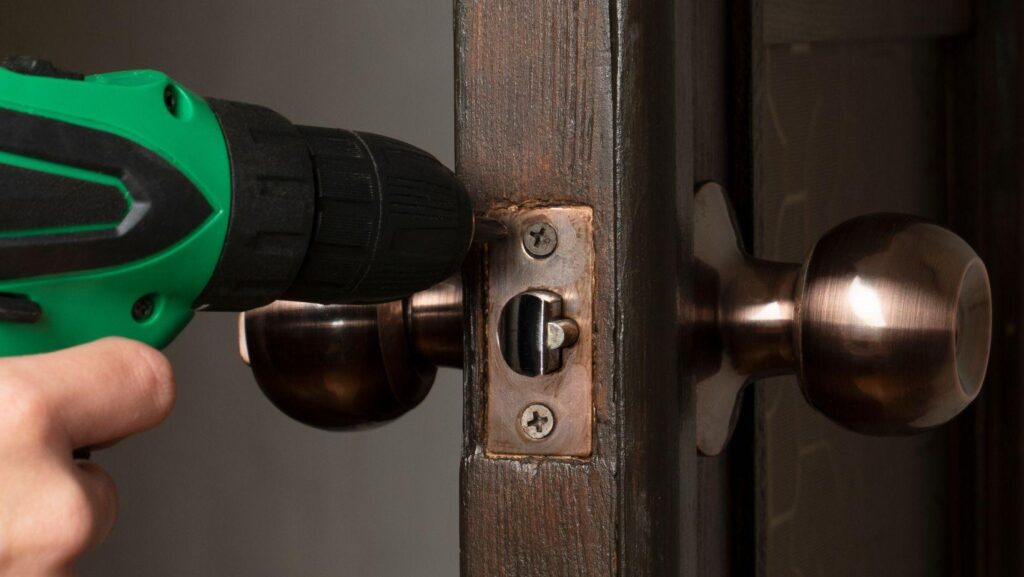
Swapping a standard door handle for a locking version sounds simple enough: remove the old set, fit the new one, and enjoy a little more privacy or security. In practice, it is rarely that straightforward.
Door furniture has to work with the lock case already inside the door, the thickness of the door itself, the size and position of existing fixing holes, and the way the room is actually used. Get one of those details wrong and you can end up with a handle that looks right in the box but never sits properly, catches on the frame, or simply doesn’t lock as intended.
If you are planning an upgrade, a few careful checks up front will save time, extra drilling, and the frustration of returning hardware that was never going to fit.
Start With the Type of Lock You Actually Need
The first question is not aesthetic. It is functional.
Are you trying to add real security, or just a basic locking feature for privacy? Those are different jobs, and they call for different hardware.
Privacy Locking vs Security Locking
A bedroom or home office door may only need a simple internal locking function. In many cases, a privacy set or bathroom-style thumbturn arrangement is more appropriate than a key-operated lock. By contrast, a side entrance, utility room, or door leading to an attached garage may require a proper keyed solution paired with a mortice sashlock or euro-profile lock body.
This is where people often go wrong. They buy locking handles assuming the lock is built into the handle, when in fact the handle is only the visible operating part. The real locking mechanism usually sits inside the door.
Before you buy anything, establish whether the existing door contains:
- a tubular latch only
- a mortice sashlock
- a deadlock
- a bathroom lock
- a euro cylinder lock case
That one check tells you whether you are replacing like-for-like or stepping into a more involved alteration.
Measure the Existing Hardware Carefully
Even two handles that look almost identical can have different fixing points or keyhole positions. If you are fitting a locking backplate handle, measurements matter.
The Key Dimensions to Note
Take the old handle off and measure the following before you start shopping:
- Backset: the distance from the edge of the door to the centre of the spindle or keyhole
- Centres/PZ measurement: the distance between the spindle and the keyhole or cylinder centre
- Door thickness: especially important if through-bolts or longer spindles are needed
- Backplate size: useful if you want the new handle to cover old marks or screw holes
- Handing and clearance: especially on doors close to walls or architraves
If you are comparing different formats, it helps to look at a broad high-security residential hardware collection so you can see how lever lock, euro lock, and other handle types differ visually and mechanically. That comparison often makes it clear whether your existing lock body can stay or whether it needs replacing too.
Check Whether the Existing Holes Will Be Visible
This is a small detail that becomes very obvious after installation. Older handles often leave paint shadows, screw holes, or wear marks. If your new backplate is shorter or narrower than the old one, those marks may remain exposed. On painted timber doors that is manageable; on stained wood or veneered doors, it can be much harder to disguise.
Make Sure the Door Can Accommodate a New Lock Body
If the door currently has only a tubular latch, moving to a keyed locking handle may require more than a handle swap. You may need to rout or chisel out space for a mortice sashlock or another compatible lock case.
Internal Construction Matters
Solid timber doors are generally forgiving. Hollow-core or lightweight internal doors are less so. They may not have enough material in the stile to support a deeper lock body securely, particularly if you are trying to retrofit a more robust locking mechanism.
That doesn’t automatically rule out a locking upgrade, but it does mean you should verify:
Accessibility and Safety Should Not Be an Afterthought
It is easy to focus on security and overlook usability. A locking handle on an internal door should still be easy to operate for children, older occupants, or anyone with limited grip strength. Lever handles are usually preferable to knobs for that reason.
On some doors, especially those on escape routes, adding a lock can create a safety issue if it restricts quick exit. In homes, that is particularly relevant for doors between habitable rooms and areas such as garages or utility spaces. The right answer is not always “more locking”; it is “the right locking method for the setting.”
Consider Security Standards, Not Just Appearance
A polished finish and a substantial backplate can make a handle look secure without delivering much real protection. If security is the goal, look beyond style and check the specification of the full system.
The Handle Is Only One Part of the Setup
A secure door depends on several components working together:
- the handle set
- the lock case
- the cylinder, if applicable
- the strike plate and frame condition
- the quality of fixing screws and through-bolts
A strong handle paired with a weak lock case will only get you so far. The same goes for fitting good hardware to a warped frame that never allows the latch or bolt to engage cleanly.
If the door is an external one, it is also worth checking whether your insurer expects specific standards for locks. That matters more than many homeowners realise, particularly on side and rear access doors.
Match Finish, Style, and Maintenance to Real-World Use
Once the practical questions are settled, then it makes sense to think about looks.
High-Traffic Doors Need Durable Finishes
Kitchen, utility, and entrance doors get touched constantly. Finishes such as unlacquered brass, matt black, satin chrome, or polished stainless steel each age differently. Some show fingerprints more readily; others develop a patina. Neither is wrong, but it should be a conscious choice.
Also consider the broader visual balance of the door. A larger backplate handle can look out of place on a slim period door, while a small delicate lever may feel under-scaled on a heavy modern entrance door.
Final Thought: Check the Door First, Then Choose the Handle
The most successful hardware upgrades start with the door and lock already in place, not with the finish catalogue.
If you confirm the lock type, measure accurately, assess the door construction, and think through how the door is used day to day, choosing a locking handle becomes much easier. And more importantly, you avoid the common trap of buying attractive hardware that never had a chance of fitting properly.
In other words, replacing an existing handle with a locking version is less about swapping accessories and more about making sure every part of the door assembly works together. That is what turns a cosmetic change into a practical, lasting improvement.