
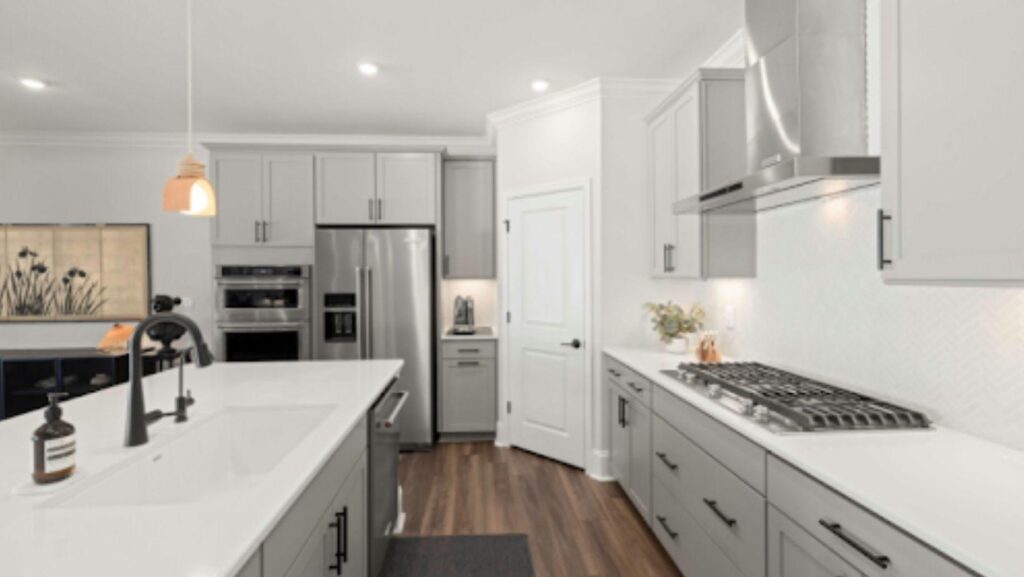
A kitchen renovation is an opportunity to improve much more than cabinets, countertops, and flooring. While these highly visible elements naturally receive plenty of attention, the most successful renovations also consider ventilation, lighting, workflow, storage, and the appliances that make the room comfortable to use every day.
A quality range hood deserves a place near the top of that planning list. By helping remove smoke, airborne grease, odors, heat, and cooking-related moisture, the right hood can contribute to a cleaner and more pleasant kitchen while also becoming an important part of the overall design.
Good Ventilation Makes The Kitchen More Comfortable
Cooking can quickly change the environment inside a kitchen. Frying, searing, boiling, and baking can produce heat, steam, odors, and airborne particles that may linger long after a meal has been prepared.
A well-designed range hood helps capture and remove many of these byproducts from the cooking area. This can make the kitchen more comfortable during meal preparation and reduce the likelihood of strong food smells spreading into nearby living spaces, which is particularly useful in open-plan homes.
Range Hoods Help Manage Airborne Grease
Grease does not always remain in the pan while food is cooking. Tiny grease particles can become airborne and eventually settle on cabinets, backsplashes, walls, appliances, and other nearby surfaces.
Effective ventilation helps capture some of these particles before they travel throughout the room. Although regular kitchen cleaning will always be necessary, a quality range hood can make it easier to maintain surfaces and prevent greasy residue from building up as quickly around the cooking zone.
Ventilation Should Be Planned Early
One common renovation mistake is treating the range hood as a finishing touch rather than part of the kitchen’s infrastructure. Ventilation requirements can affect cabinetry dimensions, ductwork, electrical connections, appliance placement, and the amount of space available above the cooktop.
Choosing the hood early allows these requirements to be incorporated into the renovation plan before cabinets and finishes are installed. Contractors can determine suitable duct routes and installation requirements in advance, helping reduce the risk of inconvenient modifications later in the project.
The Hood Should Suit The Way The Kitchen Is Used
Not every household cooks in the same way, so ventilation requirements can vary considerably. Someone who regularly uses several burners, grills, fries food, or prepares large family meals may have different needs from someone who primarily uses the kitchen for light cooking.
Homeowners should consider factors such as cooktop width, cooking habits, kitchen layout, hood placement, and ventilation capacity when comparing options. The goal is to select a model that is appropriately suited to the cooking area rather than choosing one based entirely on appearance.
A Range Hood Can Become A Design Feature
Range hoods were once commonly treated as appliances that should blend quietly into the background. Modern kitchens increasingly take the opposite approach, using the hood as an architectural feature that creates a focal point above the range.
Materials, finishes, shapes, and proportions can all influence how a hood interacts with the rest of the room. Depending on the renovation style, homeowners might select anything from a streamlined modern design to a bold metal hood that adds warmth, texture, and visual character.
For homeowners who want ventilation to contribute to the room’s appearance as well as its functionality, a vent hood from CopperSmith is one example of how this practical appliance can become a deliberate design element. Options that complement cabinetry, hardware, lighting, and other finishes can help create a more cohesive kitchen.
Proper Sizing Matters
Proportion is particularly important when selecting a range hood. A hood that looks too small compared with the cooking surface may feel visually unbalanced, while an oversized design can dominate the room or interfere with surrounding cabinetry.
Homeowners should review the hood manufacturer’s installation and sizing recommendations alongside the specifications for their cooking equipment. Ceiling height, mounting position, cabinet dimensions, and the width of the cooking surface can all influence which size works best.
Noise Levels Can Affect Everyday Use
Ventilation performance matters, but homeowners should also consider how a hood will feel and sound during everyday cooking. A system that is excessively noisy may discourage people from using it consistently, particularly in an open kitchen connected to dining or living areas.
Comparing sound ratings and fan settings can provide a better idea of what to expect. Multiple fan speeds are useful because they allow lower ventilation levels for everyday cooking while providing additional power when dealing with smoke, steam, or stronger odors.
Lighting Adds Another Layer Of Functionality
A range hood occupies a valuable position directly above one of the kitchen’s most frequently used work areas. Integrated lighting can therefore provide useful task illumination for checking food, reading controls, monitoring pans, and cleaning the cooktop.
This lighting should work alongside the kitchen’s broader lighting plan rather than being considered separately. Combining general ceiling lighting, task lighting, and strategically positioned appliance lighting can create a more practical environment while reducing dark areas around key work surfaces.
Ductwork Deserves Careful Attention
A high-quality hood can only perform effectively when the ventilation system supporting it has been properly planned. Duct size, length, route, and the number of bends can all influence airflow, so the installation requirements should be reviewed before construction begins.
Where possible and appropriate for the chosen system, a direct and efficient duct route to the exterior can help support performance. Renovators should follow manufacturer guidance and applicable local building requirements, especially when structural changes or new exterior vents are involved.
Maintenance Should Be Easy To Manage
Like many hardworking kitchen appliances, range hoods require routine maintenance. Filters collect grease and other particles over time, while exposed surfaces can accumulate cooking residue that needs to be removed.
Before purchasing a hood, homeowners can check how filters are accessed, cleaned, or replaced and whether the exterior material is straightforward to maintain. A design that fits naturally into the household’s regular cleaning routine is more likely to remain attractive and functional over the long term.
Think Beyond The Initial Purchase Price
Kitchen renovation budgets often involve balancing immediate costs against long-term usefulness. Choosing the cheapest possible option may reduce upfront spending, but price alone does not indicate whether a hood is well suited to the space, cooking habits, or intended design.
It can be more useful to evaluate ventilation performance, construction, maintenance requirements, noise, lighting, installation needs, and appearance together. Since a range hood may remain in place for many years, selecting one that meets both practical and aesthetic needs can make the overall renovation feel more complete.
Create A Kitchen That Works As Good As It Looks
The best kitchen renovations balance attractive finishes with practical decisions that improve everyday use. Ventilation is an important part of that equation because cooking naturally produces heat, moisture, odors, grease, and airborne particles that need to be managed.
Planning for a quality range hood from the beginning allows homeowners to coordinate ventilation with cabinetry, appliances, lighting, and the overall layout. Instead of treating it as an afterthought, making the hood part of the renovation strategy can help create a kitchen that is comfortable, functional, easier to maintain, and visually cohesive for years to come.