
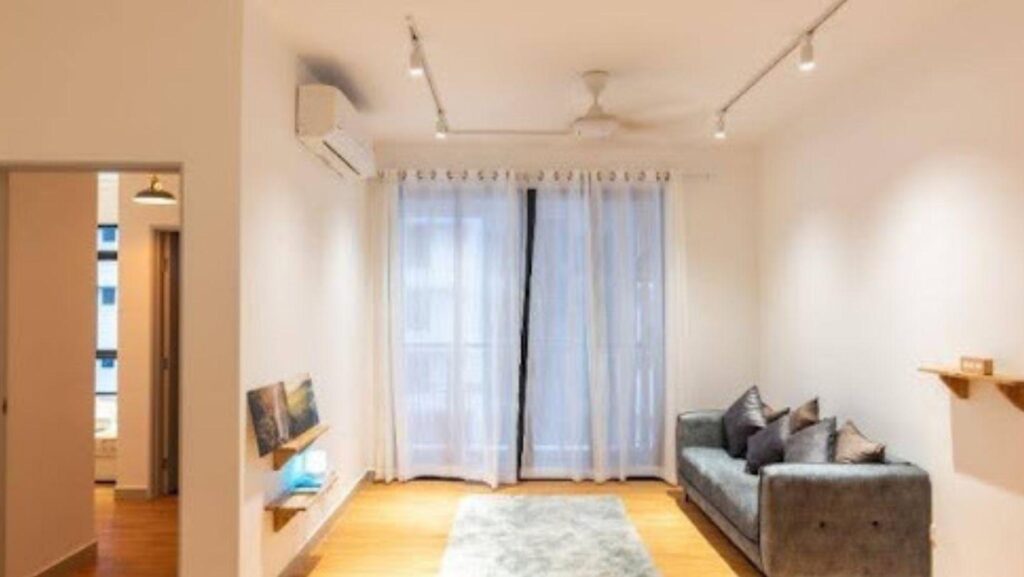
A renovation can completely change a room, but fresh paint and new flooring do not always make it feel finished. Once the tools, dust sheets, and decorating supplies disappear, you may notice bare windows, awkward corners, or everyday clutter that suddenly looks more obvious.
Fortunately, you rarely need another big project. A few thoughtful details can make the space more comfortable, practical and personal. The trick is to look at how you use the room, then tackle the areas that still feel unfinished.
Give the Windows Some Attention
Bare or poorly dressed windows can make a newly decorated room feel stark. Window coverings also serve a practical purpose, so consider privacy, sunlight, and how you use the room before choosing them.
Start with the window itself. Look at its size, the available space around the frame, and the direction of the natural light. A bedroom may call for greater privacy and light control, while a living room might benefit from a covering that lets you adjust the amount of daylight throughout the day.
You should also consider how much physical space your chosen window treatment takes up. Long curtains may work beautifully around a large window, but they can become awkward when furniture, shelving or a radiator sits nearby. A blind keeps the area around the window relatively clear and can suit rooms where floor or wall space comes at a premium.
Roman blinds offer one option if you prefer a softer look than some other blind styles. They use fabric that draws upwards into folds, allowing the window treatment itself to contribute colour, pattern or texture to the room. Browse the Roman blind selection from Terrys to give you an idea of the different designs available and help you decide what works with the colours already in your space.
Look at Your Lighting After Dark
Rather than relying entirely on a central ceiling light, think about what you actually do in each part of the room. If you read in an armchair, place a lamp close enough to light the page comfortably. If you work at a desk, check that your own body doesn’t cast an inconvenient shadow across the surface. Bedside lamps can also make a bedroom more practical without requiring you to get up to use the main switch.
Pay attention to forgotten corners as well. An unlit corner can look gloomy at night, particularly in a large room. A floor or table lamp can make that area feel connected to the rest of the space. You don’t need to add lights everywhere. Use them where they solve a problem or make an area more pleasant to use.
Rethink Where the Furniture Goes
A renovation gives you a good reason to question your old furniture layout. Putting everything back exactly where it was may waste an opportunity to make the room work better.
Move the largest items into place first, then stop before adding smaller tables, chairs and accessories. Walk through the room as you normally would. You should have enough space to reach doors, windows, cupboards and frequently used furniture without squeezing past anything.
Think about how people interact in the space too. In a living room, arrange seating so people can talk comfortably rather than pointing every chair in one direction by default. In a bedroom, make sure you can move around the bed and open drawers without obstacles.
Find a Home for Cables and Everyday Clutter
Renovated rooms often look pristine until everyday life moves back in. Chargers appear on tables, cables gather around the television, and post starts piling up near the door.
Instead of trying to keep every surface permanently empty, give frequently used belongings somewhere convenient to go. Place a small dish or tray near the entrance for keys. Keep blankets in a basket near the sofa. Use a drawer or container for chargers and other small electronics.
Cables deserve attention too. Group wires together where practical and position furniture so it can conceal some of the mess without making sockets difficult to reach. If you have several devices in one area, decide which ones genuinely need to stay plugged in.
The goal isn’t to create a showroom. You still need to use the room. Simple storage makes it easier to put things away without turning tidying into a daily chore.
Bring Back Personality Slowly
Once you finish the practical jobs, add the details that make the room feel familiar. Artwork, photographs, books, plants, and objects collected over time can help a freshly renovated space feel less anonymous.
Resist the urge to put everything back at once. Start with the pieces you particularly like and see how the room looks before adding more. When hanging artwork, consider the furniture beneath it rather than focusing only on the empty wall. A picture above a sofa, bed or console table usually looks more settled when the two feel visually connected.
Soft furnishings can also make hard surfaces feel less stark. A rug can break up a large stretch of flooring, while cushions and throws add texture without requiring permanent changes.
Leave some empty space between decorative pieces. You don’t have to fill every shelf, wall and tabletop. Giving favourite objects a little room can make them easier to notice.
Check the Details You Touch Every Day
Some finishing touches have little to do with decoration. A sticking door, a loose handle, or a badly positioned hook can become irritating remarkably quickly.
Spend a few days using the renovated room before declaring it finished. Open the windows. Sit in each chair. Use the cupboards and drawers. Notice where you naturally put your belongings when you enter.
This short trial often reveals small problems that photographs of the finished renovation will never show. You might need a hook near the door, a side table next to a chair, or a better place to charge your phone.
Final Thoughts
The best finishing touches make the room easier and more enjoyable to live in. Start with practical areas such as the windows, lighting, and furniture layout. Tackle visible clutter first, then gradually add artwork and other personal pieces. Finally, spend some time using the room and fix the little annoyances you notice along the way.
A room feels complete when it looks considered but still works for ordinary life. Get those small details right, and the results of your renovation will feel far more settled.