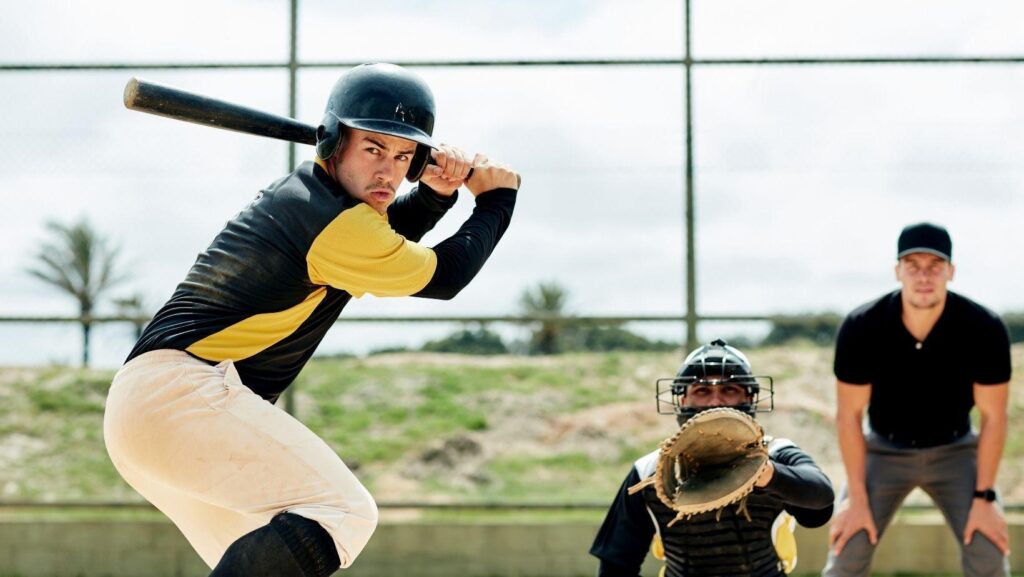
NFL players have access to medical teams, performance specialists, advanced facilities, and personalized programs. Recreational athletes may not have those resources, but they can still learn from the principles behind professional recovery.
The objective is not to imitate an NFL routine. It is to make recovery part of the training plan, manage physical demands responsibly, and build habits that support consistent participation.
Treat Recovery as Part of Training
Many recreational athletes focus on completed workouts while treating rest as lost time. NFL teams take a different approach. Recovery supports the athlete’s ability to handle the next practice, workout, or game.
A recovery day does not always require complete inactivity. Gentle walking, easy cycling, or a short mobility session can keep the body moving without adding significant strain.
The intensity should remain low. If a recovery session feels like another hard workout, it has probably missed its purpose.
Make Sleep the Foundation
No expensive recovery device can compensate for consistently poor sleep. Rest supports physical repair, concentration, coordination, reaction time, and the ability to learn movement patterns.
Professional teams monitor sleep because travel, late games, and demanding schedules can affect readiness. Recreational athletes face different pressures, including work, family commitments, and early training sessions, but the principle remains relevant.
A regular bedtime, a comfortable room, and reduced screen use before sleep can be more valuable than the latest piece of equipment.
Track Workload Without Obsessing Over Numbers
NFL teams use tracking technology to monitor distance, speed, acceleration, and overall physical strain. Recreational athletes rarely need that level of analysis, but a simple training record can reveal important patterns.
Record the activity, duration, perceived difficulty, and how the body feels afterward. A sudden increase in running distance, lifting volume, or weekly sessions may explain persistent fatigue or declining performance.
Football supporters already understand how availability, recent workload, and physical condition can shape expectations. DraftKings provides matchup information and the fixture favourites at https://sportsbook.draftkings.com/leagues/football/nfl, offering another view of how health, form, and preparation can influence the outlook before a game. Recreational athletes can apply a similar principle by considering recent training demands rather than judging progress from one isolated performance.
Hydrate for the Conditions
Professional hydration plans account for temperature, equipment, exercise intensity, session length, and individual sweat loss. Recreational athletes should also recognize that fluid requirements change from one workout to another.
Water is generally appropriate for shorter, lower-intensity activity. Longer sessions, hot conditions, and heavy sweating may require more attention to fluids and electrolytes.
Hydration should begin before exercise rather than becoming an emergency response afterward. Thirst, urine color, and changes in body weight around demanding sessions may provide useful indicators, although individual needs vary.
Refuel With Familiar Foods
Professional recovery nutrition is designed to restore energy and support tissue repair. Recreational athletes can follow the same basic principle without complicated supplements.
A balanced post-workout meal containing carbohydrates, protein, and fluids will often meet the requirement. The overall quality and consistency of the daily diet usually matter more than chasing a perfect recovery window.
Supplements should not replace regular meals. Anyone with medical conditions, dietary restrictions, or specific performance goals should seek advice from an appropriately qualified professional.
Use Recovery Technology Selectively
Massage devices, compression equipment, cold therapy, and wearable trackers can be useful, but none should become the foundation of recovery.
Before buying another device, athletes should ask whether it addresses a genuine need. A foam roller may help someone maintain a mobility routine, while a wearable could encourage more consistent sleep habits.
For broader evidence-based information about activity and exercise, the American College of Sports Medicine’s physical activity resources provide practical guidance for adults with different experience levels.
Know When to Seek Help
Normal post-exercise soreness should gradually improve. Sharp pain, swelling, dizziness, chest discomfort, reduced movement, or symptoms that continue to worsen should not be treated as challenges to overcome.
NFL players have immediate access to medical professionals. Recreational athletes should also seek appropriate assistance when symptoms are unusual, persistent, or affecting everyday activity.
Consistency Beats Complexity
The most useful professional recovery habits are also the simplest: sleep well, eat consistently, replace lost fluids, manage training demands, and respond early to warning signs.
Recovery does not need to look impressive. It needs to help the athlete return safely, confidently, and prepared for the next session.