
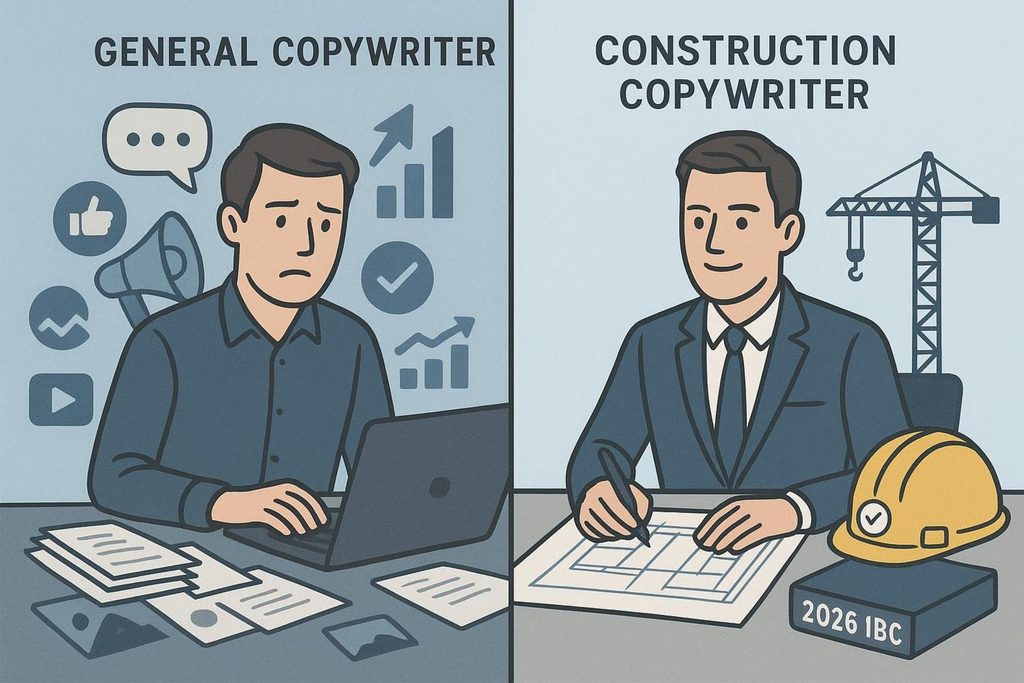
Today, having a website for your construction business is a basic start, but it won’t set you apart on its own. To stand out, bring in the right leads, and turn visitors into clients, you need strong content.
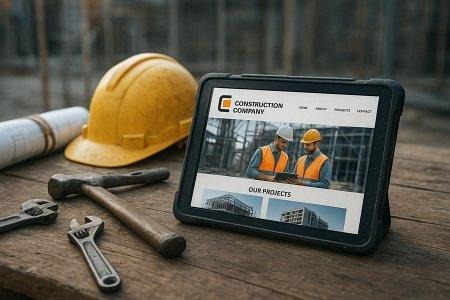
That’s where high-quality construction copywriting services help-by writing clear, persuasive messaging that speaks to the people you want to hire you and explains why your company is the right choice. These services help your website and marketing materials feel solid and dependable, turning your online presence into a real business tool.
Good construction copywriting is more than “nice wording.” It’s a plan for how you communicate so people trust you. It means taking technical work and industry terms and turning them into clear, easy-to-follow language for property managers, developers, architects, and other decision-makers. By focusing on real work, real results, and how you solve problems, a skilled copywriter helps your company stand out so your message doesn’t just get seen-it convinces the right people to reach out.
Who Needs Construction Copywriting?
General contractors, subcontractors, architects, engineers, and developers can all benefit from professional copywriting. If you want more high-value jobs, better online visibility, or a clearer way to explain what you do, specialized construction copywriting is worth paying for. It can also help if you’re having trouble getting steady, qualified leads or if competitors keep showing up ahead of you online.
Even large construction companies with in-house marketing teams often hire outside construction copywriters. This helps keep messaging consistent across everything-website pages, press releases, and company reports. A focused specialist can keep the same voice and writing style across many pieces, so brand values and key messages stay clear in both internal and public materials, like work done for clients such as Amey and EMCOR UK.
Why Invest in Specialized Construction Copywriting?
Construction changes fast, with new tools, standards, and rules. General copywriters may write well, but they often don’t have enough industry understanding to handle these details confidently. A construction-focused copywriter works closely with the AEC industry. They know the terms, the common project issues, and what your clients worry about, so your marketing sounds real and up to date-and that helps build trust.
Paying for specialized copywriting also means your content can be both accurate and convincing. Instead of broad claims like “committed to quality,” it can explain specific project experience, your approach to problem-solving, and results you can measure. That level of detail-like describing work on “15 landmarked buildings in two years and how you handle HPD violations” for a façade contractor-helps your company stand out and keeps visitors on your site instead of leaving right away.
What Makes Effective Construction Copywriting?
Industry Knowledge and Technical Accuracy
Strong construction copywriting needs balance: it must be accurate enough for industry pros, but readable and clear enough to keep people engaged. A construction copywriter understands the difference between Type V and Type I construction, knows what’s in a façade inspection report, and can explain why a contractor focuses on Local Law 11 work instead of gut renovations. This knowledge keeps your content correct and makes it feel familiar to the people you want to reach.
This is not about stuffing pages with jargon. It’s about using the right terms at the right time and explaining the work in a clear way. For example, when writing about concrete restoration, a good copywriter can explain how you handle damaged surfaces, how you test existing conditions, and what prep methods you use. An engineer reading it can tell right away that your team understands the work-and that builds confidence.
Audience-Focused Messaging
Good construction copywriting remembers a simple fact: whether it’s B2B or B2C, you’re still speaking to a person. Your message needs to fit the decision-maker you’re trying to reach. A property manager hiring a façade contractor cares about different things than a developer hiring a GC for a multi-family renovation.
This means starting by getting clear on “who, what, how, and why” for each client. If a general contractor specializes in pre-war buildings, that detail should be easy to see right away, not hidden halfway down the page. If a mechanical subcontractor focuses on affordable housing, that can lead the first line. This direct approach helps the right clients quickly see they’re in the right place, which cuts down on bad-fit inquiries and makes sales conversations easier.
SEO for Construction Websites
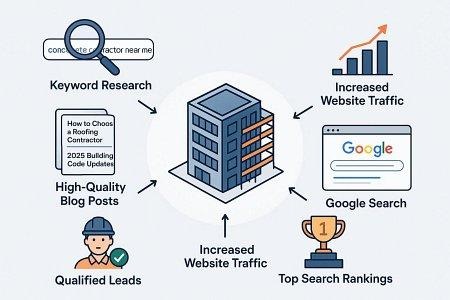
If your construction company doesn’t show up near the top of search results, many potential clients won’t find you. SEO copywriting helps bring more traffic to your site and improves rankings. This includes using the right keywords naturally, writing strong meta descriptions and headings, and building helpful internal links-without awkward keyword stuffing.
The goal is to describe your services in a way that matches what people actually search for. When it’s done well, a site can reach page one for target searches in about 3-6 months. More importantly, those visitors are more likely to become leads because the content matches what they came for and points them to the right service.
Persuasive Calls to Action for Conversions
Construction copywriting should lead to action-like a phone call, a form fill, or a request for pricing. That takes more than information. It needs clear calls to action (CTAs) that make sense for the service and the reader’s problem.
Instead of a basic “Contact Us,” stronger CTAs might say “Schedule a Consultation to Discuss Your Facade Restoration Needs” or “Request a Portfolio of Our Recent Multifamily Renovations.” The copy before the CTA should build trust with real examples and specific results, so reaching out feels like the next logical step.
Utilizing Case Studies, Company Values, and Social Proof
Trust matters a lot in construction. Strong copy uses case studies, company values, and proof from past clients to build trust before you ever speak to someone. Project pages should explain what problem you solved, along with details like timelines, square footage, and specific challenges. A case study about a rooftop addition that required coordinating four trades, handling DOB amendments, and finishing early is more convincing than a list of generic projects.
Sharing values-like sustainability or innovation-also helps clients see what your company stands for. Adding testimonials, like those from Troy Dryer of Veritas Fine Homes or Teena Bergstrand of Saunders Construction, adds real credibility. Together, these elements show that you know your work and have a track record of handling difficult projects.
Construction Copywriter vs. General Copywriter: Key Differences
Knowledge of the AEC Industry
The biggest difference is industry knowledge. A general copywriter may be great for restaurants or software, but construction needs a strong understanding of processes, rules, and terminology. A construction copywriter often has years of experience working with contractors, architects, and construction service firms, which gives them a clear grasp of how the industry works.
This means they can write in a way that sounds right to your buyers without needing constant explanations. They understand construction types, why certain compliance reports matter (like HPD violations), and why a company might focus on historic preservation or infrastructure. That turns into copy that feels accurate and believable to industry professionals.
Understanding Technical Jargon and Processes
Construction has a lot of technical terms and multi-step processes. If those are handled badly, the message can feel confusing or off-putting. A construction copywriter can take technical info and explain it in a clear and persuasive way. They know when a technical term helps build trust and when it needs a simpler explanation, so the content works for both engineers and property managers.
Instead of saying “quality work,” a construction copywriter can write specifics: the building systems you work with, supplier relationships, how you manage occupied buildings, or your safety record on large projects. Turning technical notes into clear, readable project stories-like work for MetroStor and Streetspace Group-helps attract and educate new prospects.
Tailoring Messaging to Niche Audiences
The AEC industry has many groups, and each one cares about different things. A general copywriter may not spot those differences. A construction copywriter can write for developers, architects, general contractors, or facilities managers, based on what each group needs and how they make decisions.
This lets your copy speak directly to the reader’s situation. If you fix basement infiltration in buildings that are 50+ years old, your website shouldn’t just say “we do waterproofing.” It should speak to the common issues in pre-war buildings in Manhattan and Brooklyn. This kind of targeting brings in better leads-people who are actually looking for your exact skill set-which often leads to better conversations and higher conversion rates.
Types of Construction Copywriting Services
Website Copywriting for Contractors and Builders
Your website is often your first impression, and the writing matters a lot. Website copywriting for contractors and builders, the kind BuiltFor Studio does for construction firms, focuses on being clear, specific, and built to convert. It helps your homepage, about page, and service pages clearly explain what you do, who you do it for, and why clients should choose you. It also puts your specialty up front-like a GC focused on pre-war buildings or a mechanical subcontractor focused on affordable housing-right from the start.
Good website copy also builds trust by explaining how you work, sharing real project wins, and answering real client concerns. It uses clear facts-like completing “12 gut renovations in occupied buildings last year, averaging 8 months from demo to CO”-instead of vague descriptions. This brings in stronger leads and reduces time spent on people who aren’t a fit.

Brochures, Press Releases, and Corporate Communications
Even with digital marketing, brochures and press releases still matter for construction companies. Professional writing keeps these materials clean, clear, and consistent with your brand. Brochures can explain your services in more detail, while press releases help build authority and share milestones like new office launches, finished projects, or awards-like the work done for TRAD Scaffolding.
Corporate communications like annual reports and internal documents also benefit from skilled writing. For larger companies, keeping tone and messaging consistent across every document helps maintain a strong brand. Copywriters can take complex source material and shape it into a clear story that works for both internal teams and outside readers.
Proposal and Bid Writing
Winning new work often comes down to the quality of your proposals and bids. This type of construction copywriting needs clear structure, accurate details, and strong positioning. A skilled copywriter can turn technical scope and plans into a clear story that highlights your strengths and makes you look like the safer, smarter choice.
Professional proposal writing improves sections like the executive summary, scope of work, schedule, and team qualifications so they match what the client cares about. This isn’t just about presenting information-it’s about making the case that your company is the right partner for the job.
Project Case Studies and Blog Articles
Case studies help you show how you solve problems and deliver results. A construction copywriter can take technical notes and turn them into clear stories that explain what happened, what challenges came up, and how your team handled them-like projects for TR Scaffolding and MetroStor. These stories help prospects feel confident before they call.
Blog articles help position your company as knowledgeable and experienced. By publishing useful content on trends, best practices, and new approaches, you can attract search traffic and build trust over time. This steady content plan helps you stay visible online and keep engaging potential clients, like thought leadership work for Architectural Workshop and Oz Architecture.
Technical Writing for Engineering and Architecture
Engineering and architecture firms often need technical writing that is correct, clear, and sometimes persuasive. Specialized writers can help with reports, specs, white papers, and industry guidance documents. They can take complex information and present it in a way that works for different readers, including clients, regulators, and industry peers.
This support keeps your documentation accurate while reflecting your professionalism. Whether it’s a corporate sustainability report like the one created for Saunders Construction or a detailed white paper for the construction sector, strong technical writing helps your documents do their job while protecting your reputation.
Video Scripts and Promotional Content
Video is now a major marketing tool in construction. Copywriting can include video scripts that clearly explain your message, show your work, and highlight your team. Whether it’s a promo video for a luxury residence like the Royal Atlantis Residence in Dubai or a company overview, a strong script helps the video land well and stay memorable.
Construction copywriters also write other promotional content like social posts, email campaigns, and ads. The goal is to create interest in your work, show your strengths, and drive action across different channels, so your brand feels consistent wherever people see you.
How Construction Copywriting Improves Website and Marketing Results
Increases Website Traffic and Search Engine Rankings
One fast benefit of professional construction copywriting is more website traffic and better search rankings. By using SEO methods like keyword research, better meta descriptions, and clear headings, copywriters help your site show up when people search for your services. If a potential client searches for a specific service, you need to be near the top to have a real chance.
This isn’t about random traffic. SEO-focused content brings the right visitors-people already looking for what you do. That usually means better engagement and more conversions. Sites written and optimized by specialists often reach page one for key searches within a few months, which shows how strong the results can be.
Establishes Industry Expertise and Authority
In construction, people hire teams they trust. Strong copywriting builds authority by sharing your knowledge in a clear way. When your website explains real challenges and solutions-like structural changes or tenant improvements-it helps prospects feel confident in your ability to deliver.
This goes beyond listing services. It explains how you work and what makes your approach different. For example, saying your masonry team restored “200+ limestone façades on buildings built before 1920” gives architects something concrete to trust. This kind of detail helps you stand out from competitors with generic messaging.

Generates More Qualified Leads and Sales
The goal of marketing is to bring in leads and win work. Construction copywriting helps by clearly stating what you do, who you do it for, and why it makes sense to contact you. When your site focuses on real projects, real problems solved, and clear capabilities, it acts like a filter that attracts better-fit clients.
If your copy says you handle commercial projects over $2M, you’ll naturally reduce calls from homeowners who want a bathroom renovation. That means fewer time-wasters and more qualified leads, so your sales team can focus on people who are ready to talk seriously-improving conversion rates and keeping your pipeline healthier.
Showcases Your Company’s Unique Strengths and Values
Every construction company has strengths and values, but generic marketing can hide them. Skilled copywriting brings your best points forward. Whether you focus on healthcare facilities, multifamily renovations, or a certain kind of concrete work, clear content highlights what you do best and the projects you want more of.
Your copy can also explain your story-how the company started, what you focus on today, and what your team is known for. This helps developers and property managers understand who they’d be working with, which helps build trust. When your site clearly positions your specialty and values, it does more than help you get noticed-it helps people remember you.
How to Choose the Right Construction Copywriting Service
Evaluating Experience and Portfolio
Start by checking experience and reviewing the portfolio. Look for work in construction or the AEC industry. Have they written for companies like yours-general contractors, architects, engineers, or specialty trades? A strong portfolio will include different formats, like website pages, case studies, press releases, and technical articles, which shows range and real industry familiarity.
Also check testimonials. Feedback from clients like J.P. Carrara & Sons, TRAD Scaffolding, or Saunders Construction can show whether the copywriter delivers results, understands complex work, and communicates well. Testimonials that mention industry knowledge or strong project storytelling are good signs.
Assessing Industry Expertise
Writing skill alone isn’t enough. The copywriter must understand construction. In early calls, ask questions that show their knowledge: Do they understand building codes, construction types, and specialty processes? Can they talk about common issues in your niche, like HPD violations or managing occupied spaces?
A copywriter with real experience will ask smart questions about the projects you want, how you work, and who you’re trying to reach. They’ll quickly find your strongest selling points and know how to explain them to decision-makers like property managers and developers. That level of understanding is key to writing copy that sounds convincing and believable in the AEC space.
Understanding Pricing and Deliverables
Clear pricing and clear deliverables matter. Good construction copywriting services usually share pricing upfront, often per project, so you know the cost before work starts. Ask how they price: fixed project fee, day rate, or monthly retainer for ongoing work.
Also confirm what the price includes. Does it include briefing calls, research, SEO work, revisions, editing, and proofreading? Avoid services that give unclear pricing or don’t define the scope. A good proposal should list deliverables clearly-like how many website pages, how long each article is, or how many brochure sections-so you don’t get surprises later.
Process, Communication, and Revision Policies
A good working relationship depends on a clear process and steady communication. Ask how they run projects: how they start, what they need from you, and the timeline from kickoff to final delivery. A strong process often starts with a detailed briefing, then research, then a structured draft.
Ask how often you’ll get updates and who you’ll talk to day to day. Also confirm revision rules. Many professional copywriters include a set number of revisions (often 2-3 rounds) so you can fine-tune the copy until it matches your voice and goals, just “more direct.”
What Does Construction Copywriting Cost?
Pricing Structures: Per Project, Per Word, or Retainer
Pricing can vary a lot depending on how the copywriter or agency charges. Many specialists use per-project pricing, with one fixed fee for a defined scope (like a 5-page website or a set of blog posts). This makes the total cost easy to plan for. For example, a basic 5-page website copy package might cost around £2,500 and include briefing, research, and revisions.
Other options include per-word rates (often for articles or white papers), though that can make the total cost less clear. Retainers are common for ongoing content needs, with a monthly fee for a set amount of work or hours-some services even offer unlimited copywriting for a flat monthly rate. Some copywriters also use a day rate, like £500 per day, and then calculate project fees from there.
Factors That Influence Pricing
Several things affect final pricing. The amount of content is a big one: a single press release (around 500 words for £500) costs less than a full white paper (around 3,000 words for £3,000) or a complete website. Topic difficulty and research time also matter. If the project needs interviews with subject matter experts or detailed work with technical specs, pricing will usually go up.
Extra services can also change cost, such as tone of voice guidelines, on-page SEO (keyword research, meta descriptions, internal links), and how many revision rounds are included. Deadlines matter too-rush projects often cost more. Talk through these items early so the scope and budget are clear.
Getting Started With a Construction Copywriter
Key Steps to Begin Your Project
Starting with a construction copywriter is usually straightforward and built around speed and clarity. Most projects begin with a discovery call where you explain your business goals, the projects you want, how you work, and who you want to reach. It’s like setting the base for a clear content plan.
Next, the copywriter often reviews what you already have, checks competitors, and speaks with your team to find what makes you different. Then they send a quote or proposal with scope, deliverables, and timeline. After you approve it, the project moves into briefing and content drafting. You review drafts and share feedback so the final copy matches your company and sounds like you.
How to Contact a Construction Copywriting Expert
Want better website and marketing results? The simplest way to reach a construction copywriting expert is through their website or by booking an intro call. Many reputable services, like BuiltFor Studio, provide clear options to schedule a consultation, so you can talk through your needs and goals without pressure.
When you contact them, be ready to explain what you build, who you want to reach, and what success means for your business. That first conversation helps the copywriter understand what you want and decide the best way to help. If your current site sounds like every other contractor, this is the step that helps you sound different-with focused, clear content.
Conclusion
In the AEC industry, strong writing matters more than many companies realize. Your buildings show your skill in the real world, but your website and marketing build trust before someone ever calls you. Good copy works quietly in the background, answering questions, building confidence, and guiding a prospect to take the next step and contact you.
Think about long-term value: specialized construction copywriting creates an asset that keeps working. Unlike ads that stop the moment you stop paying, strong website copy, clear case studies, and helpful blog posts can keep attracting and converting prospects day and night for years. As your company grows and changes, good messaging helps you stay clear, relevant, and dependable. Let your content work as hard as you do, so every online visit has a real chance to turn into new work and long-term relationships.
Frequently Asked Questions about Construction Copywriting Services
How Long Does It Take to Develop Construction Website Copy?
Timelines vary, but experienced professionals can often write website copy fairly quickly. For many websites, the process from kickoff call to final approved copy is often about 2-3 weeks. It can take longer based on the number of pages, the technical detail involved, and how quickly the client can share info and feedback.
This usually includes briefing, research (including competitor review and past project review), drafting, and revision rounds until the final copy is approved. Good services share a project schedule early so everyone knows what to expect.
What Information Do You Need from Clients?
To write effective construction copy, a specialist needs detailed input from the client. It usually starts with a deep conversation about your business history, what you focus on now, and what you want next. Key topics include which projects you want more of, what makes your process different, and who you want to reach (property managers, developers, architects, etc.).
Clients are often asked for past project details, current marketing materials, competitor info, and notes on what the team does well. If you want to change focus-like moving from small fit-outs to larger envelope jobs over $1M-share that early. The more specific your input, the easier it is for the copywriter to position you clearly and speak to the clients you want.
Can You Provide Ongoing Content Support for Updates and News?
Yes. Many construction copywriting services offer ongoing support so your website and marketing stay current and continue to perform well. Construction moves quickly, and new projects, standards, and guidelines come up all the time. Regular updates also help maintain search rankings, keep your audience engaged, and support thought leadership.
Ongoing support can include monthly blog posts, news updates, new case studies, press releases, or updates to existing website pages. Some services, like Panda Copy, offer unlimited copywriting for a monthly flat rate, which can make it easier to keep content moving without managing multiple freelancers. This helps your brand stay visible and trusted over time.