
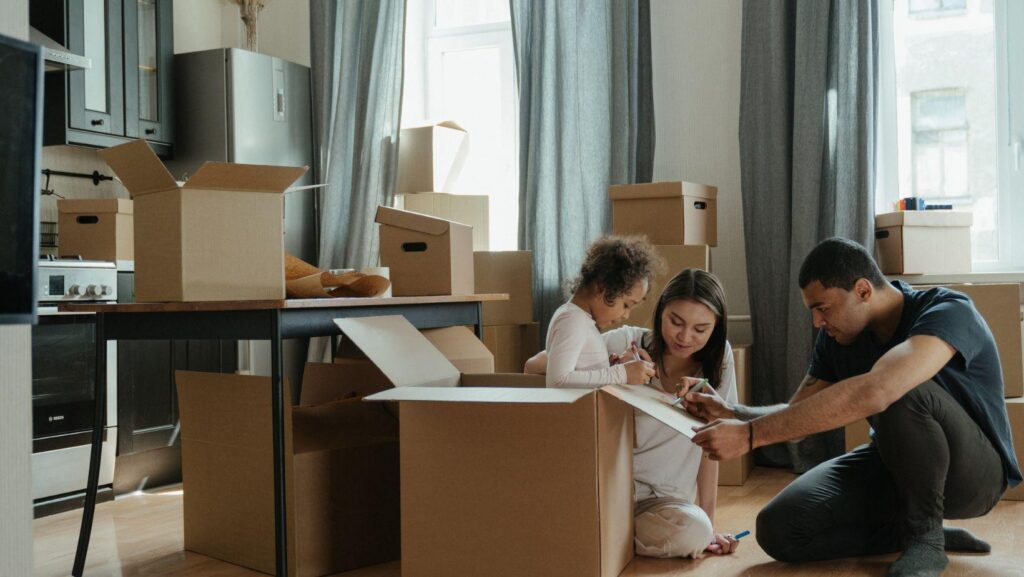
It often starts innocently. A homeowner scrolls through a few listings, checks what nearby houses are selling for, and begins imagining life somewhere else. The current house isn't terrible. It simply doesn't seem to fit everyday life as naturally as it once did.
That creates an awkward problem when everything outside the front door still feels right. The neighborhood is familiar, the commute works, the yard has finally matured, and favorite places are nearby. Moving might solve problems inside the house while giving up things that are surprisingly difficult to replace.
Before putting up a for-sale sign, it can make sense to ask whether the house itself is really the problem or whether it simply needs to change. Working with the Best Remodeling Company Englewood CO can reveal possibilities that weren't obvious before.
Figure Out What You're Actually Trying to Escape
People rarely wake up wanting a different address for no reason. Usually, there are specific frustrations hiding behind that urge to move. Maybe the kitchen feels crowded every morning, storage has become a constant battle, or rooms that once worked well now seem disconnected from how the household actually lives.
Sometimes the problem is less obvious. Poor natural light can make otherwise generous rooms feel gloomy, while awkward doorways and walls can create unnecessary bottlenecks. Outdated finishes may also make a perfectly functional home feel older and less inviting than homeowners want it to be.
Identifying those frustrations changes the conversation. Instead of comparing an existing home against every attractive listing online, homeowners can determine exactly what they want to improve. Once those problems have names, many become remodeling questions rather than moving problems, and the possibilities can look completely different.
The Existing House May Have More Potential Than It Shows
A home's current layout isn't necessarily its best layout. Rooms were often designed around the lifestyles and expectations of another era. A formal dining room that rarely gets used, an isolated kitchen, or an oversized hallway may represent square footage that's already available but isn't doing enough.
Strategic changes can make familiar spaces behave very differently. Opening part of a layout can improve movement and light. Kitchens can gain better storage and work areas, bathrooms can become more functional, and forgotten corners can be turned into useful spaces rather than remaining places everyone simply walks past.
That doesn't mean every wall needs to disappear or every room needs a new purpose. Good remodeling is often about finding hidden efficiency within the existing footprint. When space is rearranged around real daily habits, a house can suddenly feel larger and more capable without actually becoming much bigger.
Renovation Lets You Keep What Already Works
A new house comes with more than new rooms. It also comes with a new neighborhood, different neighbors, another commute, unfamiliar routines, and potentially different schools. Those tradeoffs can get overlooked when someone is focused on finally getting a larger kitchen or an extra bedroom.
Staying preserves the parts of life that already work. Maybe the kids can walk to friends' houses, the backyard is perfect for summer evenings, or the morning commute is unusually manageable. There may also be years of memories attached to a home that can't simply be packed into moving boxes.
Renovation offers a different bargain. Instead of abandoning the entire package because certain rooms no longer work, homeowners can concentrate their effort on fixing those specific weaknesses. The result can combine something surprisingly difficult to find on the housing market, a better house without giving up a loved location.
Remodel for the Next Chapter Not the Last One
The most useful renovation isn't designed around how a household lived five years ago. It considers what daily life might look like five or ten years from now. Families grow and shrink, careers change, hobbies appear, and spaces that once seemed unnecessary can become surprisingly important.
Remote work is an obvious example. A spare corner that worked temporarily may no longer be enough for someone working from home several days each week. Households may also want better entertaining spaces, more privacy for teenagers, accommodations for older relatives, or layouts that remain comfortable as homeowners age.
Planning ahead doesn't require predicting every future change. It means avoiding renovations so narrowly tailored to today's problem that another major project becomes necessary soon afterward. When flexibility, accessibility, storage, and changing routines are considered early, remodeling can prepare a house for its next chapter rather than merely correcting its last one.
Conclusion
Moving can seem like the obvious answer when a home stops fitting comfortably. Sometimes it absolutely is. But when homeowners still love where they live, the better question may be whether the reasons pushing them away can be changed without sacrificing everything that's encouraging them to stay.
A thoughtful remodel can address cramped layouts, outdated rooms, inadequate storage, poor flow, and spaces that no longer serve a purpose. More importantly, those improvements can be designed around where the household is heading instead of simply recreating what worked in the past.
The familiar house may have considerably more potential than its current walls and finishes suggest. Reimagining it can preserve the neighborhood, routines, relationships, memories, and conveniences that already feel like home while removing the frustrations that started the real estate search in the first place.