
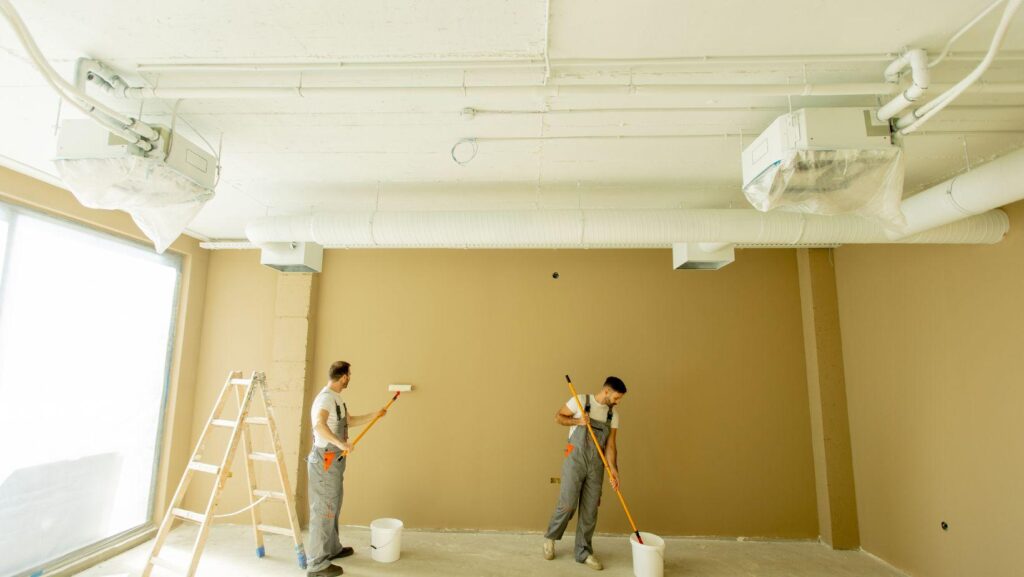
Changing a room usually sounds expensive. Move a wall, replace the flooring, buy new furniture, or remodel the kitchen, and suddenly the project has a serious budget attached to it. Paint is different. A few gallons can completely change how a familiar space looks without changing its basic structure at all.
The walls stay exactly where they were. The sofa hasn't moved. The windows are the same size. Yet a room that felt dark, dated, cold, or disconnected can suddenly feel brighter and more intentional because the surfaces surrounding everything else have changed.
That combination of simplicity and visual impact explains why Painting Services Frisco Co can make such a noticeable difference without requiring a major renovation. Sometimes transforming a home doesn't begin with demolition. It begins by opening a bucket.
Color Changes More Than the Walls
Wall color doesn't exist by itself. It sits beside flooring, furniture, cabinets, trim, artwork, countertops, and every other visible material in a room. Change the walls and suddenly those unchanged elements can look different too.
Color also interacts constantly with light. A room with abundant natural light may handle a deeper shade differently from a darker interior space. Warm and cool undertones can become more noticeable beside wood, stone, fabrics, and neighboring colors, which is why a beautiful paint chip doesn't automatically become a beautiful room.
Color can even affect the way the proportions of a space are perceived. Lighter or quieter shades may make certain rooms feel more open, while deeper colors can create a more enclosed or intimate impression. Nothing physically moved, but the experience of being in the room changed because its largest visual surfaces did.
Preparation Is Where Great Paint Jobs Begin
The exciting part is choosing the color. The less glamorous part is making sure the wall is actually ready to receive it. Unfortunately, paint is remarkably good at revealing shortcuts once everything dries.
Small holes and cracks may need repair. Rough areas can require sanding, while dirt and residue need to be removed from surfaces where they could interfere with adhesion. Existing peeling or failing paint can't simply be treated as a perfectly stable foundation. Primer may also be appropriate depending on the surface and its condition.
Preparation matters because fresh paint doesn't erase every flaw underneath it. In some cases, a new finish can make imperfections more noticeable by giving the entire surface a cleaner, more uniform appearance. The final coat gets all the attention, but much of what makes that coat look good happened before the paint can was ever opened.
Finish Changes How a Color Behaves
Choosing a paint color is only half the decision. The same general shade can behave differently depending on its finish because sheen affects how much light the painted surface reflects.
Lower-sheen finishes reflect less light and can be more forgiving of minor surface imperfections. Higher-sheen finishes reflect more light and are generally more resistant to stains and easier to clean, although that added reflection can also make imperfections more visible.
That makes finish a practical decision as much as an aesthetic one. A quiet bedroom wall doesn't necessarily face the same demands as trim, doors, or another frequently touched surface. The right choice depends on where the paint is going, how the area is used, and what kind of appearance is desired. Color gets people excited, but finish helps determine how that color actually lives in the room.
Exterior Paint Has an Even Harder Job
Interior walls have a relatively sheltered existence. Exterior surfaces spend every day facing sunlight, moisture, wind, temperature changes, dirt, and whatever else the weather delivers. Paint outside therefore has responsibilities beyond making the house look better.
Surface preparation becomes especially important. Loose or peeling material may need removal, damaged areas may require repair, and surfaces need to be properly cleaned and dried before painting. Exterior-grade products also need to be appropriate for the particular material and conditions involved.
Weather during application matters too. Temperature, humidity, rain, and direct sunlight can affect how exterior coatings dry and adhere, making timing part of the job rather than an afterthought. The finished color may be what everyone notices from the street, but durability depends heavily on everything that happened before and during application.
Conclusion
Few materials can alter the feeling of a home as quickly as paint. It doesn't require moving walls or replacing everything already in the room. Instead, it changes the background against which all those familiar elements are seen.
The transformation depends on more than finding an attractive color. Preparation influences the quality of the finished surface, sheen changes how the paint reflects light and handles everyday use, and exterior projects introduce weather and durability considerations that interior walls never face.
That's a surprising amount of responsibility for something sold by the gallon. Paint can make old furniture feel newly coordinated, give a tired room a different personality, or completely change the first impression of a home's exterior. Sometimes one of the biggest visual transformations available to a house really does begin with something as ordinary as a five-gallon bucket.