
If you’ve spent any time researching backyard cottages, in-law units, or extra rental income in Seattle, you’ve probably run into the term DADU. It shows up in city permitting documents, contractor websites, and neighborhood conversations, but many homeowners still aren’t sure exactly what it means or how it’s different from a regular ADU. Understanding the term is the first step toward deciding whether a detached unit is the right move for your property — and talking it through early with an experienced dadu builder Seattle homeowners already trust can help turn that decision into a plan that actually fits your lot.
DADU, Defined
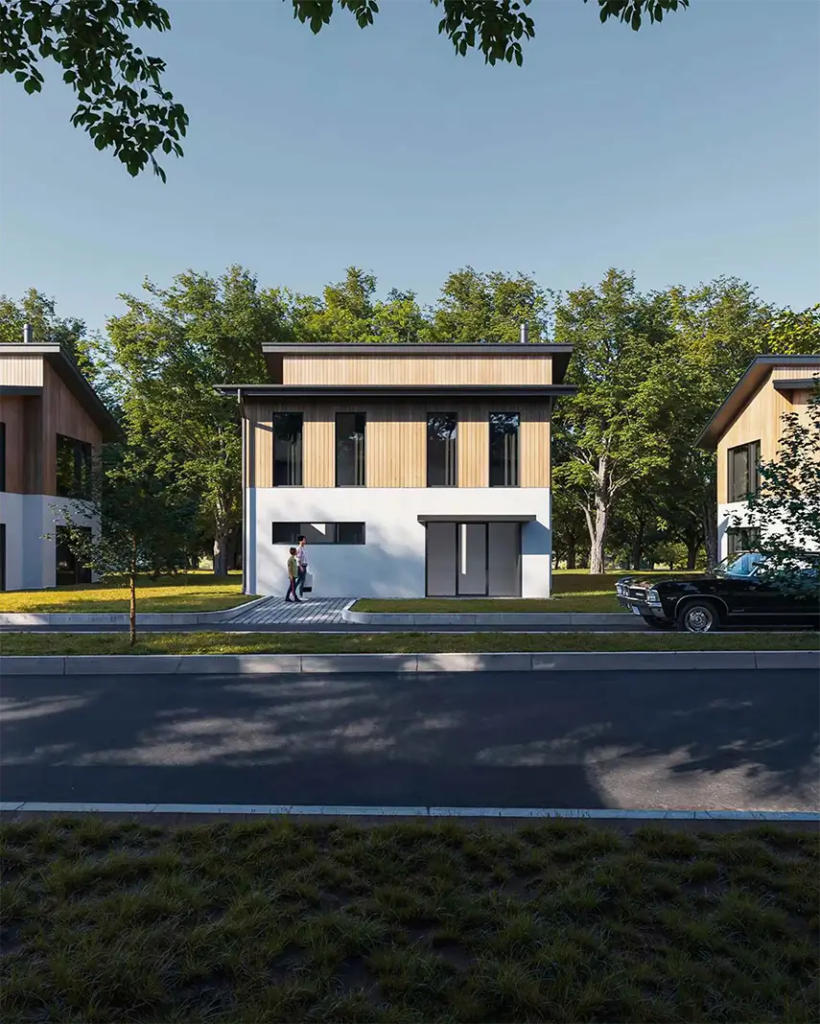
DADU stands for Detached Accessory Dwelling Unit. In plain terms, it’s a small, freestanding home built on the same lot as your primary residence — separate from the main house, with its own entrance, and usually including a kitchen, bathroom, and living space. Think of it as a fully independent backyard home rather than an addition tacked onto the existing structure.
Seattle groups accessory dwelling units into two categories:
Both serve a similar purpose, but they behave very differently in terms of privacy, construction complexity, and how the property functions day to day.
Why a Detached Unit Is Different From an Attached One
The biggest distinction isn’t just physical distance — it’s independence. A DADU sits apart from the main house, which means residents come and go without walking through anyone else’s living space. Noise, cooking smells, and daily routines stay contained to each structure. For families who want to share a property without sharing a roof, that separation often matters more than square footage.
Detached units also tend to give homeowners more design freedom. Because the structure isn’t tied to the existing home’s foundation or roofline, it can be oriented toward the best light, positioned to maximize yard privacy, or designed with a completely different layout than the main house.
Why Seattle Homeowners Are Building DADUs
Seattle’s housing costs and limited land supply have made backyard cottages an increasingly practical option, and city policy has shifted to support that. Over the past several years, Seattle and Washington State have relaxed many of the rules that once made DADUs difficult to build — reducing minimum lot size requirements, easing parking mandates, and in many cases allowing more than one accessory unit on a single lot. The result is that a growing number of properties that once didn’t qualify for a backyard home now do.
Common reasons homeowners pursue a DADU include:
Because zoning and permitting rules continue to evolve, it’s worth confirming your lot’s current eligibility, size limits, and setback requirements with the city before finalizing any design — rules that applied a few years ago may no longer reflect what’s allowed today.
What the Permitting Process Generally Involves
Every DADU project in Seattle goes through the Seattle Department of Construction and Inspections (SDCI), and while the specifics depend on the lot, most projects follow a similar path:
Confirming Lot Eligibility
Not every lot qualifies automatically. Zoning designation, lot size, existing structures, and tree coverage all factor into what’s possible before any design work begins.
Site and Building Plans
SDCI requires a full set of drawings — site plans, floor plans, and elevations — showing how the new structure fits within setbacks, height limits, and lot coverage rules.
Review and Permit Issuance
Plans move through structural, zoning, and safety review before a permit is issued. Timelines vary depending on lot complexity and how complete the initial submission is.
Because these requirements shift as new legislation is adopted, working with a team that stays current on local code — rather than relying on general online guidance — tends to save homeowners both time and money.
Designing a DADU That Actually Feels Like Home
Meeting code is only part of the equation. A well-designed DADU should feel comfortable to live in, not just technically compliant.
Working With the Right Team
Because a DADU touches zoning, structural design, utilities, and the everyday livability of your backyard, the process tends to go far more smoothly with a builder who handles all of it under one roof — from confirming what your lot allows to designing a unit that fits how you actually plan to use it.
Is a DADU Right for You?
If your goal is more privacy than an attached addition can offer, more flexibility than a rental property purchase would provide, or simply more usable space on a lot you already own, a DADU is worth serious consideration. With Seattle’s rules continuing to favor backyard cottages, now is a practical time to explore whether your property qualifies — and what kind of unit would work best for the way you and your family actually live.