
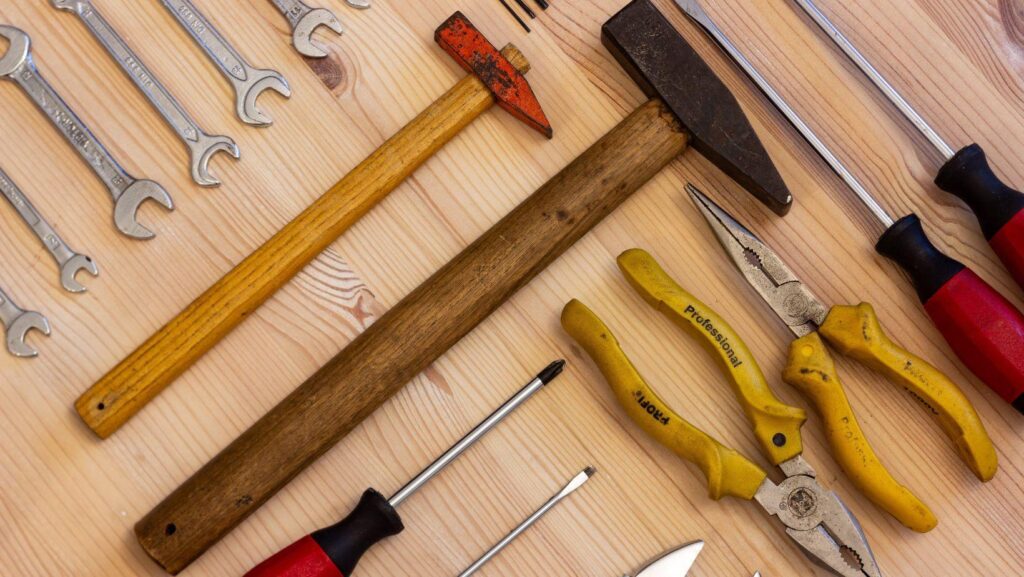
Beginners and experienced makers often face the same problem: buying too many tools at once. Soon, the drawers are full, and money is spent, but most of the tools remain unused. You should build a basic hand tool kit, with an emphasis on quality rather than quantity, to do better leatherwork and woodworking.
Why a Minimal Tool Kit Works Better Than a Large One
Most professionals rely on surprisingly few tools that earn their place through daily use.
The biggest issue with large collections is impulse buying. Visiting every wood carving shop or searching “woodcarving store near me” often leads to tools that look useful but never fit your real workflow. Even reputable suppliers like https://forgedsteeltools.com/ offer many excellent options—but that doesn’t mean you need them all at once. Brands such as Forged Steel Tools are best approached selectively, not impulsively.
Fewer tools also improve skill. When you master one knife or rasp, your hands adapt faster. Precision increases, maintenance becomes easier, and mistakes decrease. This is why experienced makers in any wood carving shop rely on a small core set of tools instead of overflowing benches.
Essential Cutting Tools for Wood and Leather
Cutting tools form the foundation of any kit. One reliable utility or craft knife with replaceable blades handles most leather tasks and light woodworking. It’s cheap, sharp, and predictable.
A skiving knife is useful only if you regularly thin leather edges. If your projects don’t require it, skip it for now. Many beginners buy one too early and never truly need it.
For wood, a draw knife is one of the highest-impact tools you can own. It removes material fast, shapes handles, and prepares blanks efficiently. One good draw knife replaces several low-impact tools commonly sold in carving stores.
Tools for Shaping, Smoothing, and Refining
After cutting comes control. A medium rasp and a fine file cover most shaping needs for wood and firm leather. Rasps remove material aggressively, while files refine shape. You don’t need a full set—just one of each that you actually use.
For small projects, sanding blocks outperform machines. They’re quieter, cheaper, and give better feedback. Machines make sense later, but early on, they hide mistakes rather than teach control.
Must-Have Handles and Grip Accessories
Handle quality matters more than most people realize. A well-balanced wood handle improves accuracy, reduces fatigue, and increases safety.
Replacing weak handles with durable ash handles is one of the smartest upgrades you can make. Many tools from Sharky Forged Steel Tools supplier are designed to accept handle upgrades, which instantly improve performance without buying new steel.
Sharpening Tools You Shouldn’t Skip
Sharp tools are safer and faster. A leather strop with compound handles daily edge maintenance for both wood and leather tools. It takes seconds and prevents heavy sharpening later.
As for stones or plates, choose one system and stick with it. A single medium-grit stone or diamond plate is enough to start. Multiple systems just add clutter.
Budgeting and Prioritizing Your Purchases
A minimal tool kit only works when every purchase is made intentionally. Establishing clear priorities keeps cash flow under control and helps you create a setup that matures with your ability rather than opposing it.
What to buy first for leatherwork: start with a utility knife, strop, edge beveler, and basic punches. Skip specialty knives until you hit a real limitation.
What to buy first for woodworking: begin with a draw knife, rasp, file, and a solid bench knife. This core handles shaping, carving, and rough finishing.
Example of a Minimal, High-Impact Tool Kit
Seeing a complete example helps turn theory into action. These lists are intentionally short and proven in real workshops. Each item earns its place through frequent use and versatility, not marketing claims.
Utility knife, strop, edge beveler, stitching awl, cutting mat.
Draw knife, carving knife, rasp, file, sanding block.
A minimal kit forces smart decisions. Whether you shop at a local wood carving store or browse carving stores online, focus on purpose, not hype. The right five tools will outperform twenty random ones—every time.