
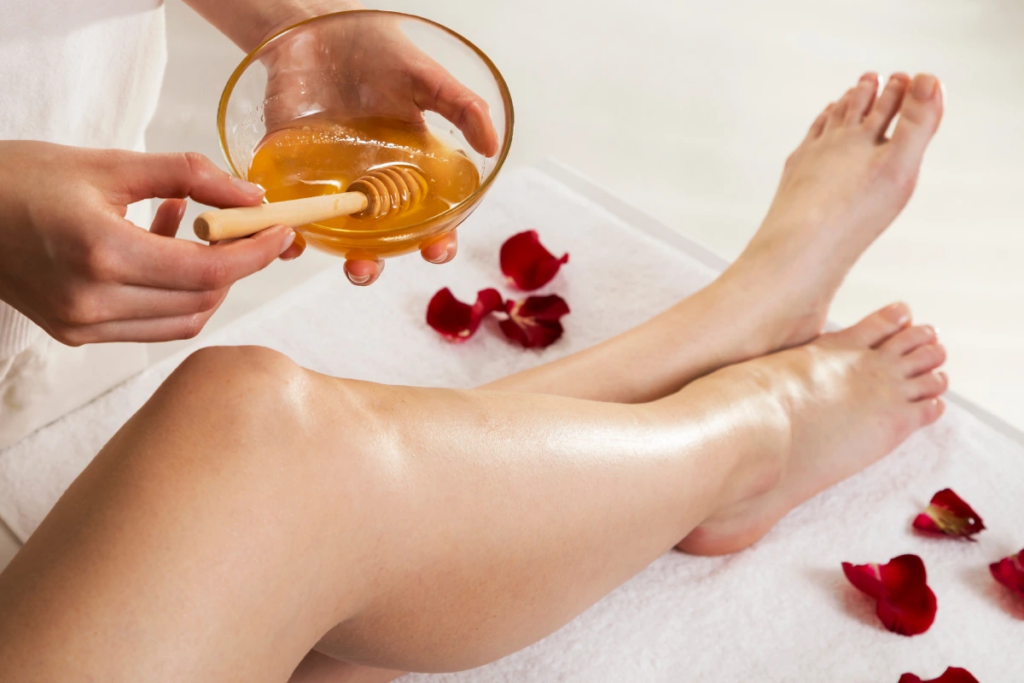
Humidity can change the way professional sugar paste behaves during a treatment. When specialists compare sugar wax from ItalWax https://www.buyitalwax.com/sugar-wax/ for salon use, room moisture should be considered together with paste density, skin temperature, and working speed because all of these factors affect control during application and removal.
In humid conditions, paste may soften faster and feel less stable during prolonged contact with the skin. A denser formula can provide more control, while softer products may suit dry, cooler rooms where the paste remains firm for longer.
Why Humid Air Changes Paste Behavior
Sugar paste is sensitive to its working environment. High humidity can contribute to a softer consistency, especially when the treatment room is also warm.
A paste that becomes too soft may spread beyond the intended section, stick more strongly to gloves, or lose the firmness needed for controlled removal. Specialists may also need to work with smaller portions to maintain accurate application.
ItalWax professional sugar pastes are available in different densities, so salons can select formulas according to both technique and room conditions rather than using the same consistency throughout the year.
Choose a Denser Paste for Humid Conditions
Firm paste is generally easier to control when humidity and temperature are high. Its denser structure gives the specialist more time before the product becomes overly soft.
Medium-density paste can also work well in moderately humid salons, particularly for technicians with cool hands or a fast technique. Soft paste is more suitable when the room remains dry and cool or when large-area treatments require easy spreading.
Several signs can indicate that a denser formula is needed:
- paste loses its shape quickly during manual application;
- consistency becomes sticky after only a short period of contact;
- the product spreads beyond the planned treatment section;
- removal requires repeated correction because the paste has softened too much;
- the technician needs unusually small portions to maintain control.
These signs usually point to a mismatch between paste density and working conditions. Moving to a firmer consistency can reduce unnecessary adjustments during the procedure.
Air Conditioning Can Change the Same Formula
Salon conditions are rarely identical throughout the day. Air conditioning, open windows, heating systems, and seasonal weather can all change room temperature and humidity.
A medium paste that performs well during the morning may become softer during a warm afternoon. Specialists who work in rooms with changing conditions often benefit from keeping two densities available.
A professional ItalWax range can support this type of setup by giving technicians access to soft, medium, and firm options for different environmental conditions.
Tracking how each paste behaves under different room conditions can help specialists adjust density without changing their entire technique. Keeping a firmer option nearby is especially practical during warmer, more humid periods when softer formulas may lose stability faster.
Hand and Skin Temperature Still Matter
Humidity is only one part of the selection process. Warm hands can soften the paste faster, while cooler hands may make a firm formula harder to spread.
Treatment area also affects consistency. Bikini and underarm zones are generally warmer than legs, so the paste may soften faster even when room humidity remains unchanged.
For warmer areas, a firmer product can provide better control. On cooler areas with fine hair, a medium or soft formula may spread more efficiently.
Keep More Than One Density Available
Salons located in humid climates should avoid relying on one universal paste throughout the year. A practical range can include medium and firm formulas as core options, with soft paste reserved for cooler or drier conditions.
Humidity, temperature, hand warmth, and treatment area all influence paste behavior. Matching density to these conditions helps specialists maintain stable application, predictable removal, and better control during professional sugaring services.