

Missing teeth can cause more problems than just affecting your smile. When a tooth is lost, the jawbone underneath begins to weaken and shrink because it no longer gets the stimulation it needs. This bone loss can change the shape of your face and lead to difficulties with chewing and speaking.
Dental implants are an effective way to stop this process. Unlike dentures or bridges, implants act as artificial tooth roots, helping to keep your jawbone strong and healthy. If you live in Anna, Texas, understanding how implants protect your jawbone can help you make the best choice for your oral health.
Ignoring missing teeth can lead to more serious issues down the road, including changes in your facial structure and potential tooth loss. Implants provide a long-lasting solution to preserve both your appearance and your jaw’s strength.
The Impact of Missing Teeth on Jawbone Health
When you lose one or more teeth, the jawbone beneath them starts to change. These changes affect how strong your jaw is and can alter the shape of your face over time. Understanding what happens in your jaw is important to protect your oral health.
Jawbone Deterioration After Tooth Loss
Your jawbone relies on the pressure and movement from chewing to stay healthy. When a tooth is missing, the bone in that area no longer gets the stimulation it needs. This causes the bone to weaken and shrink, a process called deterioration.
Without treatment, the bone loss can become severe. It may affect nearby teeth, causing them to shift or loosen. It also makes it harder to support dental work later, like dentures or implants. Acting quickly after tooth loss helps keep your jawbone stronger.
Bone Resorption Explained
Bone resorption happens when bone tissue breaks down and gets absorbed by your body. When teeth are lost, the jawbone no longer receives signals to maintain itself. As a result, your body reduces bone mass in that area.
This process reduces the height and width of the jawbone. Resorption can start within weeks after losing a tooth and gets worse over time. This shrinkage not only affects your mouth but also makes it harder to place implants properly in the future.
Changes in Appearance and Facial Structure
Losing teeth causes more than just gaps in your smile. As your jawbone shrinks, your facial shape changes. You might notice your cheeks looking sunken or your mouth appearing smaller.
These changes can make you look older than you are. The jawbone supports muscles and skin, so losing bone means less support. Replacing missing teeth early can help prevent these visible changes and maintain your natural face shape.
According to this trained dentist in Chelsea NY, by acting quickly to restore this structural foundation, you can stop this “facial collapse” and preserve the natural height and symmetry of your lower face.
Dental Implants as a Solution in Anna, Texas
Dental implants provide a strong, lasting way to replace missing teeth. They support your jawbone health and offer benefits that other tooth replacement options do not. The process of getting implants is methodical, ensuring you understand each step clearly.
How Dental Implants Preserve Jawbone
When you lose a tooth, the part of your jawbone that supported it can start to shrink because it no longer receives stimulation. Dental implants act like natural tooth roots by being anchored into your jawbone. This stimulation helps keep the bone healthy and prevents deterioration.
Without implants, bone loss can change the shape of your face and weaken nearby teeth. Implants keep your jawbone strong and stable, which supports your remaining natural teeth. If you want to maintain your jaw’s shape and avoid future dental problems, implants are a key solution.
Benefits of Choosing Implants Over Other Restorations
Implants offer several advantages compared to dentures or bridges. Unlike dentures, implants are fixed in place and do not slip or cause discomfort. Bridges require grinding down nearby healthy teeth, but implants avoid this by standing independently.
You also get a restoration that looks and feels like your natural teeth. Implants improve your ability to chew and speak clearly. Because they fuse with your jawbone, implants last longer and reduce the risk of bone loss over time. This makes them a reliable choice if you want a permanent fix.
Implant Process Overview
The implant process starts with a thorough dental exam to check your jawbone and oral health. If your bone is healthy, the dentist will surgically place a titanium post into your jaw. This post acts as the implant’s root.
Next, the implant needs time to fuse with the bone, usually a few months. After this healing period, your dentist attaches an abutment, which connects the implant to the new tooth. Finally, a custom-made crown is placed on top, matching your natural teeth in color and shape.
You will have several visits during this process, but each step is planned to ensure comfort and success. Your dentist in Anna will guide you through care and recovery so you know what to expect.
Long-Term Effects of Untreated Tooth Loss
When you don’t replace a missing tooth, several problems can build up over time. These include trouble with chewing and speaking, damage to nearby teeth, and challenges in future dental care. Each issue affects your jawbone and overall oral health in important ways.
Impact on Oral Function
Missing teeth make it harder to chew food properly. You might start avoiding certain foods, which can hurt your nutrition. Speaking clearly may also become difficult, especially if the front teeth are missing. Over time, the jawbone where the tooth is lost begins to shrink because it no longer gets the stimulation from chewing.
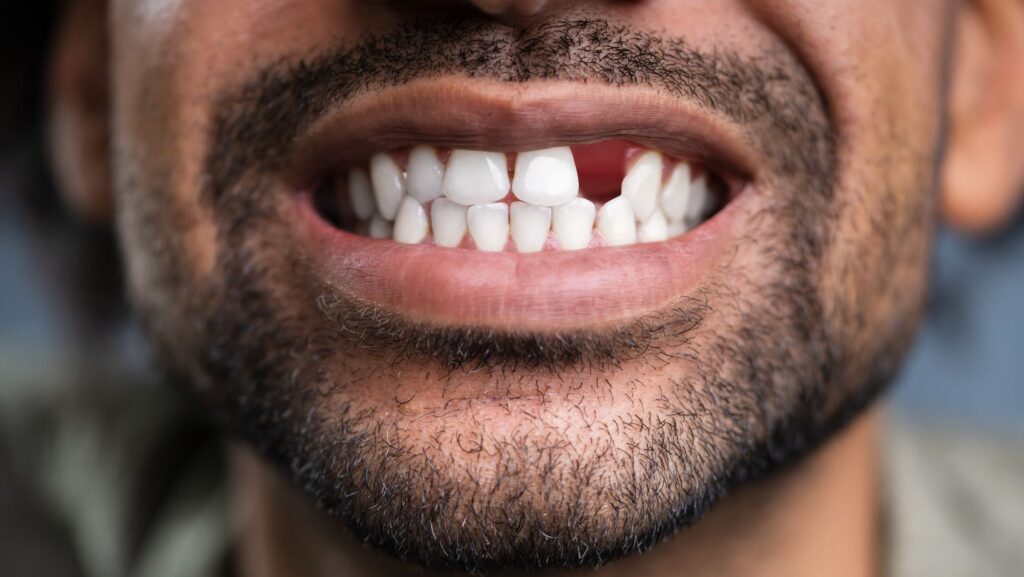
This bone loss changes the shape of your jaw and face. It can lead to a sunken look around your mouth. Without strong bone, your remaining teeth may become loose. This affects your bite and jaw joint, causing discomfort or pain.
Risks to Adjacent Teeth
When a tooth is missing, the nearby teeth can move or tilt toward the gap. This shift creates spaces where food and bacteria collect, raising the risk of decay and gum disease. Teeth that lean into the empty spot often lose stability and are harder to clean.
The change in tooth positions affects your bite, putting uneven pressure on other teeth. This may lead to wearing down or fractures. Over time, your jaw joint may also suffer from misalignment, causing jaw pain or headaches.
Potential Complications for Future Treatment
If you wait too long to fix a missing tooth, treatment options become more complex. Bone loss may mean you need a bone graft before getting an implant. Nearby teeth may also need additional care because of changes in shape or position.
Dentures or bridges become less reliable without enough bone support. This can cause discomfort and poor fit. Timely replacement with an implant or other options helps preserve your jawbone and makes future dental work easier and more successful.