
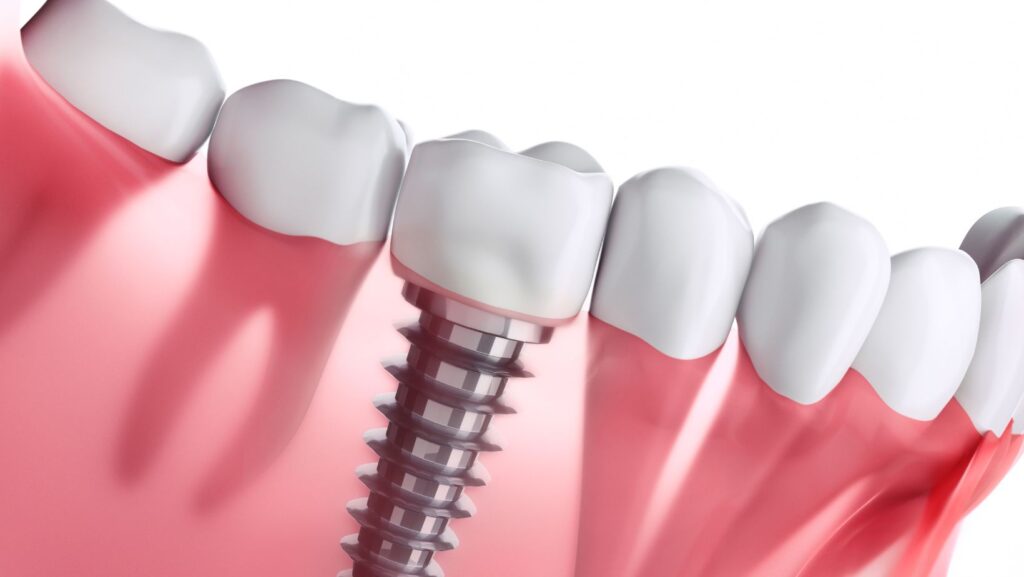
If you are missing most or all of your teeth and looking for a stable, long-lasting solution, All-on-X dental implants could be a good option for you. This treatment uses four to six implants to secure a full set of replacement teeth, offering better function and appearance than traditional dentures. A good candidate for All-on-X implants is someone in good overall health with enough bone in their jaw to support the implants or who can undergo bone grafting if needed.
However, not everyone qualifies for this procedure. If you have health issues that affect healing, such as uncontrolled diabetes or certain immune disorders, you might not be eligible without special care. Poor oral hygiene or smoking can also impact your success with All-on-X implants.
Knowing if you fit these criteria is important before deciding on this type of implant treatment. This article will help you understand who benefits most from All-on-X, and who might need to consider other options in New Market, VA.
Ideal Candidates for All-on-X Dental Implants
To be a good candidate for All-on-X dental implants, you need to meet specific health and dental criteria. Your overall health, oral condition, bone quality, and lifestyle impact how well the implants will work and last.
General Health Requirements
Your general health plays a big role in whether you can have All-on-X implants. You should be in good overall health without chronic illnesses that slow healing. Conditions like uncontrolled diabetes or autoimmune diseases may make the implant surgery riskier or require special care.
Smoking can also affect healing after surgery. If you smoke, you might need to quit or reduce smoking before and after your procedure to improve implant success.
Good health means your body can handle oral surgery and recover quickly. You should be honest with your dentist about your medical history and any medications you take.
Oral Health Considerations
Your mouth needs to be free of active infections or untreated gum disease before getting All-on-X implants. Healthy gums and soft tissue help support the implants and prevent complications.
If you have severe tooth decay, loose teeth, or advanced periodontal disease, these issues must be addressed first. Your dentist may remove damaged teeth and clear infections before placing implants.
You must also commit to strong oral hygiene after surgery. Brushing, flossing, and regular dental check-ups help protect your investment and keep your implants healthy for a long time.
Bone Density and Volume
Having enough bone in your jaw is essential because the implants need solid support. If your jawbone is too thin or weak, the implants may not attach securely.
Your dentist will use scans to check your bone volume and density. Sometimes, bone grafting can add strength if your bone is insufficient.
Without adequate bone, the implants can fail or cause other issues. So, having strong jawbone or being willing to undergo bone grafting is important to be a good candidate for All-on-X.
Age and Lifestyle Factors
Age alone is not a strict limit for All-on-X implants. Many older adults are good candidates if their health is stable and their bone is strong.
Your lifestyle also matters, such as your diet, habits, and willingness to follow post-surgery care. Avoiding habits like smoking or heavy alcohol use improves success rates.
Being prepared for regular dental visits and good home care shows you are committed to long-term implant health. These factors can make the difference between success and failure.
Individuals Who May Not Qualify for All-on-X
Certain health and lifestyle factors can affect your ability to get All-on-X dental implants. Your overall medical condition, jawbone quality, oral health status, and habits play a big role in whether this treatment is right for you.
Medical Conditions That Impact Candidacy
If you have uncontrolled medical conditions, it may be harder for you to heal and recover after the implant surgery. Diseases like diabetes that is not well managed can increase infection risk. Autoimmune diseases and conditions that weaken your immune system may also reduce your body’s ability to accept the implants.
Certain heart conditions and blood disorders can make surgery risky or make bone healing slower. You should share your full medical history with your dentist. They may require medical clearance or recommend other treatment options if your health is unstable.
Insufficient Jawbone Structure
All-on-X implants need enough good-quality jawbone for support. If your jawbone is too thin, soft, or has significant bone loss, the implants may not stay secure. Bone loss often happens after tooth loss or from gum disease.
Bone grafting might help increase your jawbone size, but this requires extra procedures and healing time. If your bone cannot support implants even after grafts, you may need to consider different tooth replacement methods that do not depend on bone strength.
Uncontrolled Oral Diseases
Active gum disease or severe oral infections can prevent successful implant placement. Untreated gum disease weakens the bone and tissues around teeth and implants.
You must treat any gum infection before considering implants. Good oral hygiene and regular dental visits are essential to control oral disease. If plaque and tartar build-up remain untreated, the implants could fail.
Lifestyle Habits Affecting Eligibility
Certain habits can impact your healing process after implants. Smoking is the most important risk factor because it reduces blood flow in gums and bone, delaying recovery and increasing failure rates.
Heavy alcohol use can also impair healing and increase infection risk. Patients who do not follow care instructions or have poor oral hygiene may not succeed with implants.
If you smoke or have other risky habits, you should discuss quitting or modifying these behaviors before your implant procedure. Your dentist will guide you on steps to improve your chances of success.
Evaluation and Consultation in New Market VA
Before getting All-on-X dental implants, you’ll go through a detailed process to check your oral health and plan the best treatment for you. This includes answering questions about your medical history, using imaging tools to see your jaw and bone structure, and creating a plan tailored to your needs.
Assessment Process with Local Dental Professionals
In New Market, dental professionals start by reviewing your overall health and dental history. You will be asked about any medical conditions, medications, and lifestyle habits like smoking or alcohol use. These details are important because they affect how well your body can heal after implant surgery.
Your dentist will also examine your mouth to check gums, remaining teeth, and bone levels. This hands-on check helps identify any issues that might affect the success of the implants. During this visit, you can expect to discuss your goals for treatment and any concerns about the procedure.
Imaging and Diagnostic Techniques
Advanced imaging technology plays a big role in your evaluation. Cone beam computed tomography (CBCT) scans give a 3D view of your jawbone. This helps your dentist see if you have enough bone to hold the implants firmly.
X-rays and other scans also show the position of nerves and sinuses, which helps avoid complications during surgery. These images are key for planning the angle and placement of the implants. Without this detailed view, the risk of problems goes up.
Personalized Treatment Planning
After the assessment and imaging, your dentist will create a treatment plan just for you. This plan considers the number and placement of implants, the type of restoration (fixed bridge or dentures), and the timing of each step.
The plan will also account for any bone grafting or other procedures you might need before implants. Your dentist will explain each part of the process and answer your questions. This personalized plan helps ensure the best possible results and a smoother recovery.