

Customers frequently compare trims, shop around, and even use a car finance calculator from CarMoney to determine affordability, but they often overlook depreciation, one of the highest long-term costs. Certain models depreciate quickly, which directly affects their affordability, especially for drivers who plan to trade in, refinance, or resell their vehicles in the future. Depreciation may be difficult to observe at first, but after a few months, its consequences become evident.
The Fast Decline in Market Worth
Soon after they leave the floor, some cars start to lose value. When a car’s true value is significantly lower than the amount owed under any financing agreement, this is referred to as rapid depreciation. Owners who have to terminate their contract early may have negative equity, making the issue even more expensive. While cars with low market confidence create financial uncertainty, cars with higher value retention reduce this risk.
Increased Financial Pressure Over Time
It will be difficult to justify keeping a vehicle that depreciates quickly as its value lessens, while the monthly payments remain the same. This disconnect can make drivers uneasy, causing them to regret their purchase. Because the car may not be worth enough to pay for future maintenance or repairs, the high rate of depreciation also reduces the likelihood of long-term ownership.
Low Resale Prices and Difficult Trade-ins
Selling or trading in a high-depreciation model can be unpleasant. Typically, buyers explore resale websites, evaluate market trends, and compare their options. Vehicles with steep depreciation curves have to compete with less expensive models that may offer other selling points, making them more attractive to buyers. Because they know that the price of these models will continue to decline on the forecourt, dealers are also likely to offer low trade-in values. Even when the car is well-maintained and in good shape, the owner still gets far less than they ought to.
Higher Risk for Finance Customers
Drivers with PCP, HP, or other financing arrangements are especially vulnerable. When the value of a car declines faster than expected, minimum future values may become inaccurate.
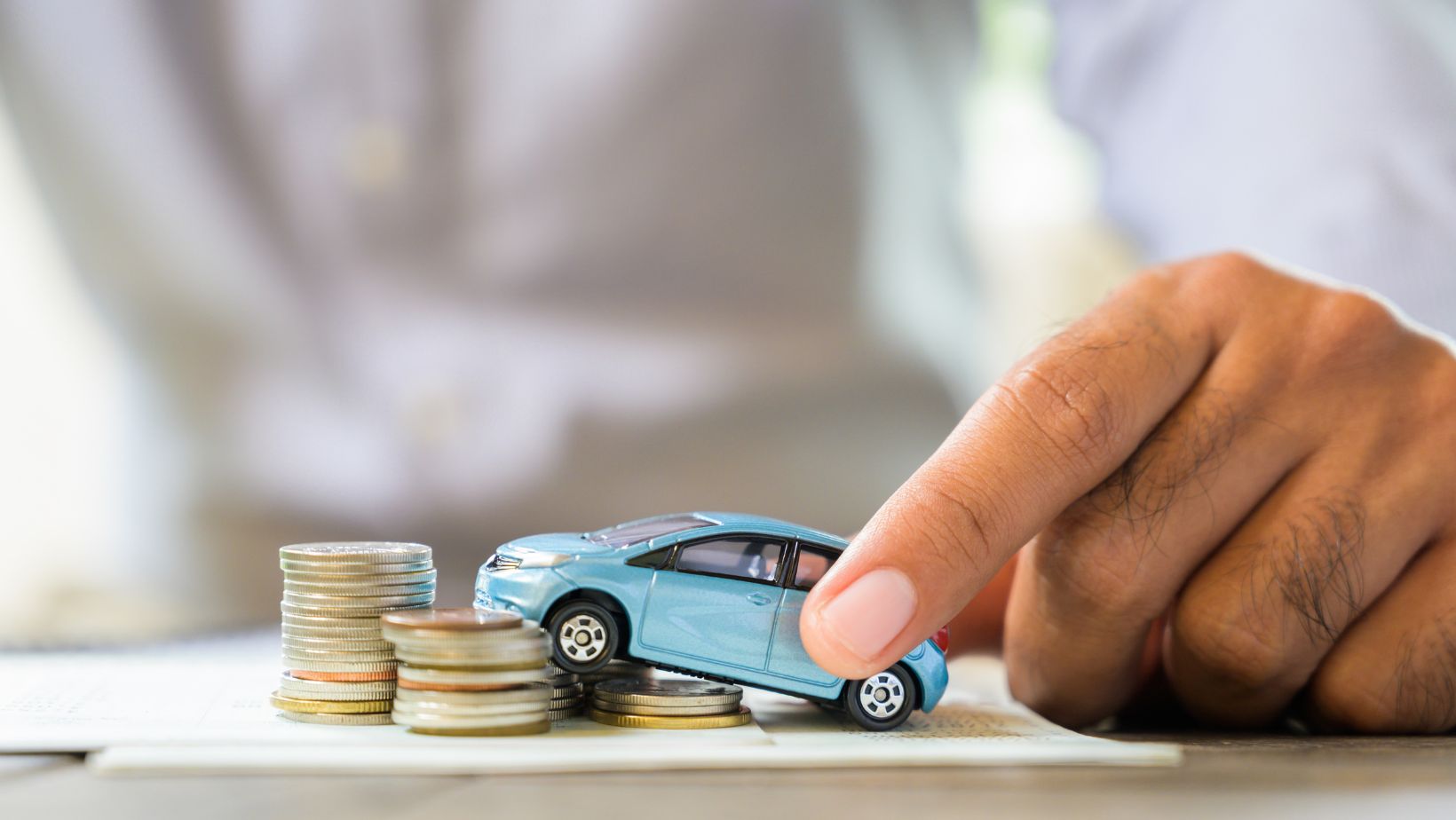
This disconnect increases the likelihood of paying more than the vehicle’s value. Individuals who choose to end agreements prematurely must pay lump sums to offset the depreciation difference. Cars with minimal depreciation provide greater protection for someone who relies on structured finance.
Insurance Costs Can Suffer Too
Insurance prices may be indirectly impacted by depreciated vehicles. Certain models are categorised as higher-risk groups due to their performance, propensity for theft, or the cost of repair parts. For insurers, the combination of expensive repairs and low resale value is unappealing. As a result, drivers end up paying more for insurance, yet their vehicles are losing value every month.
Repairs and Replacement Parts Add to the Problem
Vehicles in less sought-after classes typically experience rapid declines in value. Parts availability and repair costs may be impacted by low demand. The cost of repair rises when parts are more challenging to find or require expert labour. A worn-down car that requires a lot of care is a double loss: low cost and high upkeep. Sometimes owners don’t even bother with repair plans because it’s no longer cost-effective to maintain the vehicle.
The Psychological Impact of a Poor Investment
Most drivers regard their vehicle as more than just a means of transportation. It might be frustrating to see the value drop so dramatically, especially while payments remain steady. Buyers lose trust in the purchase and begin to rethink their decision long before the contract is terminated. In contrast, an expensive car offers its owners a sense of stability and security.
How to Avoid High-Depreciation Pitfalls
Research minimises the risks of depreciation. Resale history, ownership patterns, and similar models can be used to identify cars with more consistent value retention. An overview of total running costs will also provide a clear picture, as fuel efficiency, reliability rating, and maintenance predictability determine long-term affordability. Drivers who focus on real-world value rather than short-lived features tend to experience fewer financial surprises.
Bringing Smart Decision-Making Into Focus
Even the most appealing deals are undermined by rapid depreciation. Buyers will be able to make more stable decisions if they understand the influence of depreciation on overall ownership costs.