
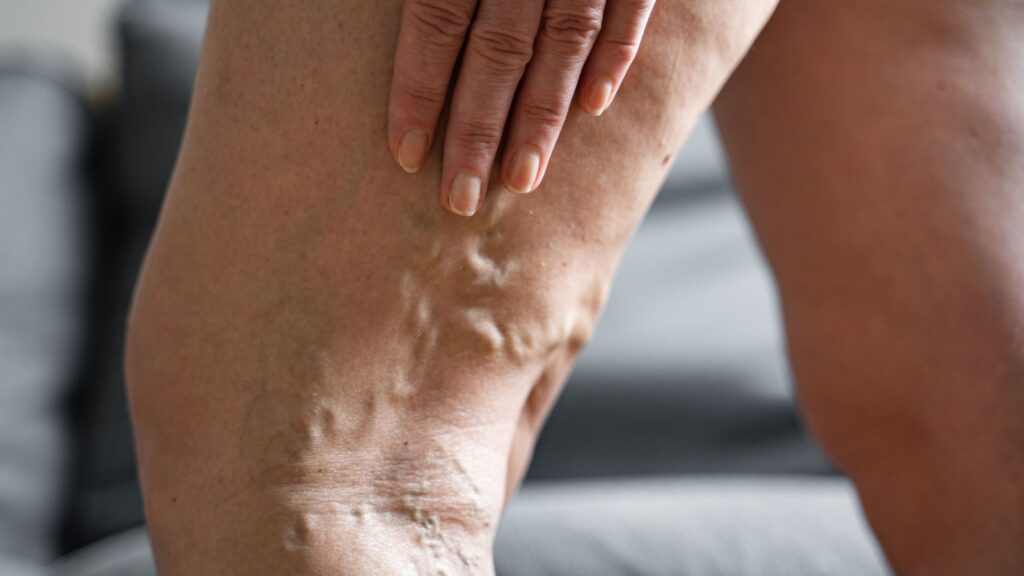
Today, we’re diving into the topic of varicose veins, a condition that affects millions but is often misunderstood. If you’ve ever looked down at your legs and noticed those twisted, bulging veins, you’re not alone. Issues like pain, swelling, and discomfort can turn everyday activities into a struggle. Fortunately, seeking professional guidance—such as searching for a vein specialist near me—can help you access treatments and strategies tailored to your needs. Let’s explore key insights and actionable tips for maintaining stronger, pain-free legs together.
Understanding Varicose Veins
Varicose veins are swollen, twisted veins that can be seen just under the surface of the skin. They usually appear in the legs and feet, where the pressure in the veins is typically higher due to gravity. These veins can cause discomfort, swelling, and even pain in some cases. Understanding how these veins work is crucial for us to appreciate why they can become problematic.
Our veins have one-way valves that help blood flow back to the heart. When these valves weaken or become damaged, blood can pool in the vein, causing it to enlarge and become varicose. Knowing the signs and symptoms can help us take action early.
Causes and Risk Factors of Varicose Veins
Several factors increase our risk of developing varicose veins. Genetics plays a significant role: if our parents had varicose veins, we might be more likely to develop them. Other risk factors include:
- Age: As we age, vein elasticity decreases, making varicose veins more likely.
- Gender: Women are more likely than men to develop this issue, partly due to hormonal changes during pregnancy, menstruation, or menopause.
- Obesity: Excess weight puts additional pressure on our veins.
- History of blood clots: Previous blood clots can damage the valves in our veins.
- Prolonged standing or sitting: Jobs that require long periods of immobility can increase our risk.
By understanding these causes, we can better appreciate the lifestyle changes needed to reduce our risk.
Lifestyle Changes for Prevention and Management
Managing our lifestyle can significantly impact our vein health. Here are some practical tips we can integrate into our daily routines:
- Maintain a Healthy Weight: Losing excess weight can relieve pressure on our veins.
- Stay Active: Regular movement helps improve circulation. Simple changes, like taking the stairs or walking during breaks, can make a difference.
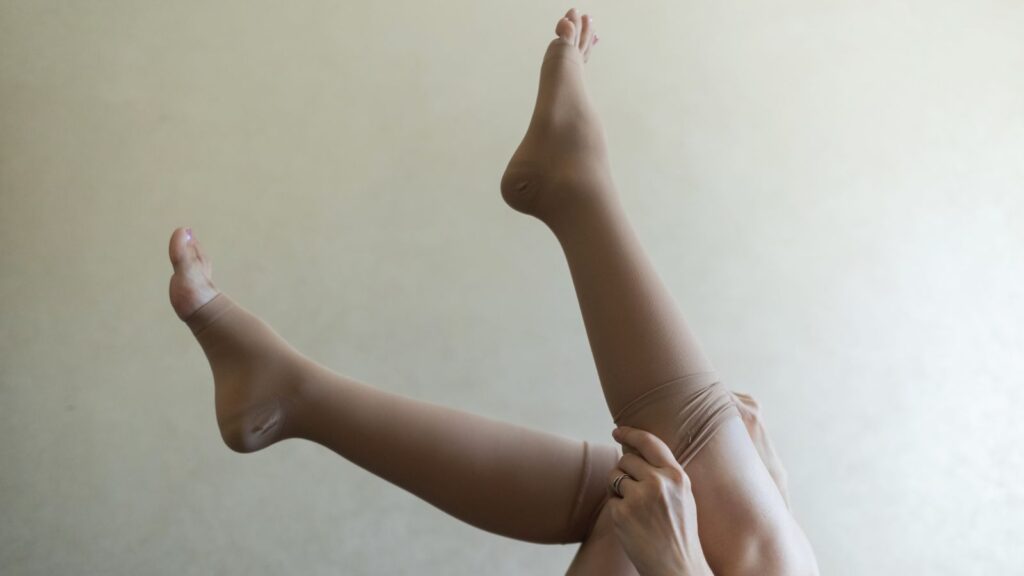
- Elevate Your Legs: Elevating our legs above heart level can help reduce swelling and improve blood flow.
- Avoid Crossing Our Legs: When we sit, crossing our legs can restrict blood flow. Instead, sit with our feet flat on the ground.
- Wear Compression Stockings: These can help support our veins, promoting better circulation and reducing discomfort.
Implementing even a few of these changes can lead to significant improvements.
Exercises to Strengthen Leg Veins
Incorporating specific exercises can enhance our vein strength and circulation. Here are some effective exercises we can try:
- Walking: A simple, gentle exercise that promotes blood flow.
- Leg Raises: While lying down, we can lift our legs up alternatively to engage our veins.
- Calf Raises: Standing with our feet flat, we can raise our heels off the floor, holding the position briefly before lowering them back down.
- Cycling: Whether indoor or outdoor, cycling is excellent for stimulating vein health.
- Swimming: This low-impact exercise reduces pressure on the legs while improving circulation.
Not only do these exercises help our veins, but they also contribute to overall leg strength and wellbeing.
Dietary Recommendations for Healthy Circulation
Our diet plays an essential role in maintaining healthy circulation and vein health. Incorporating the following foods can help us strengthen our veins:
- Foods Rich in Fiber: Whole grains, fruits, and vegetables can reduce constipation, which can contribute to varicose veins.
- Antioxidant-Rich Foods: Berries, nuts, and dark leafy greens can combat inflammation.
- Flavonoids: We should consider foods high in flavonoids, such as citrus fruits, garlic, and onions, which may help promote circulation.
- Hydration: Drinking plenty of water prevents our blood from thickening, helping maintain good circulation.
- Limit Salt Intake: Too much salt can lead to water retention, increasing pressure on our veins.
By focusing on our diet, we can effectively support our vascular health and overall wellbeing.
When to Seek Medical Help
While many cases of varicose veins can be managed at home, we should consult a healthcare professional if we experience:
- Severe pain or discomfort in the legs
- Skin changes, such as color changes, ulcers, or sores
- Blood clots in the leg
- Significant swelling that doesn’t improve with home care
Addressing these symptoms promptly can help prevent complications and ensure that we receive the appropriate care.
Conclusion
Living with varicose veins can be challenging, but by understanding the condition and making informed lifestyle choices, we can enjoy stronger, pain-free legs. Together, we can prioritize our vein health through exercise, diet, and prompt medical attention when necessary. Let’s embrace these changes and strive for healthier legs, making every step we take more comfortable and confident.