
This article explores how medical adhesives affect the skin, common problems associated with their use, and practical strategies to protect skin health while ensuring reliable adhesion.
The Role of Medical Adhesives in Everyday Care
Medical adhesives are designed to hold devices securely in place while remaining safe for skin contact. They are used in a wide range of applications, including:
- Wound dressings and bandages
- Ostomy systems and pouching appliances
- IV securement devices
- ECG electrodes and monitoring patches
- Post-surgical fixation
- Reduce pain during device changes
- Minimize skin stripping and irritation
- Preserve skin integrity for future adhesion
- Improve overall comfort and compliance
- Clean gently with pH-balanced cleansers
- Avoid harsh soaps or alcohol-based products
- Allow skin to fully dry before applying new adhesives
- Use skin barrier films when appropriate
- Rotate placement sites when possible
- Ostomy patients
- Elderly individuals with fragile skin
- People with diabetes or circulation issues
- Patients requiring long-term monitoring devices
- Longer wear time
- Better device performance
- Fewer unexpected failures
- Increased comfort and confidence
- Correct application and removal methods
- Early signs of skin damage
- When to change products or seek medical advice
- Importance of using skin-friendly accessories
- Silicone-based adhesives with lower trauma risk
- Breathable materials to reduce moisture buildup
- Advanced barrier films and removers
- Products designed specifically for sensitive skin
Unlike household adhesives, medical-grade products must balance strength with gentleness. They need to stay in place under movement, moisture, and temperature changes, yet still be removable without excessive damage to the skin.
How Adhesives Can Impact Skin Health
While adhesives are engineered for safety, skin reactions are not uncommon—especially for individuals who rely on them daily or have sensitive skin.
Common Skin Issues Related to Adhesive Use
Mechanical skin stripping
Occurs when the outer layer of skin is removed along with the adhesive, often due to forceful or frequent removal.
Irritant contact dermatitis
Results from prolonged exposure to adhesive materials, moisture buildup, or friction.
Allergic reactions
Some individuals develop sensitivity to specific adhesive components, leading to redness, itching, or swelling.
Skin maceration
Trapped moisture under adhesive devices can soften the skin, making it more vulnerable to damage.
These issues can be painful and may interfere with proper device adhesion, creating a cycle of discomfort and reduced effectiveness.
Why Proper Adhesive Removal Matters
One of the most overlooked aspects of adhesive-related skin care is removal technique. Pulling adhesives off too quickly or without skin support significantly increases the risk of injury. Over time, repeated trauma can lead to chronic skin problems, especially in areas where adhesives are applied daily.
Using proper removal methods helps to:
This is where specialized removal products and techniques become especially important.
Tools and Products That Support Gentle Removal
Healthcare professionals increasingly recommend using adhesive removal aids as part of routine skin care. These products are formulated to dissolve or neutralize adhesive bonds without harsh pulling.
Types of Adhesive Removal Solutions
Sprays: Allow even application and hands-free removal
Wipes: Convenient for targeted areas and travel
Liquids or swabs: Useful in clinical or precise settings
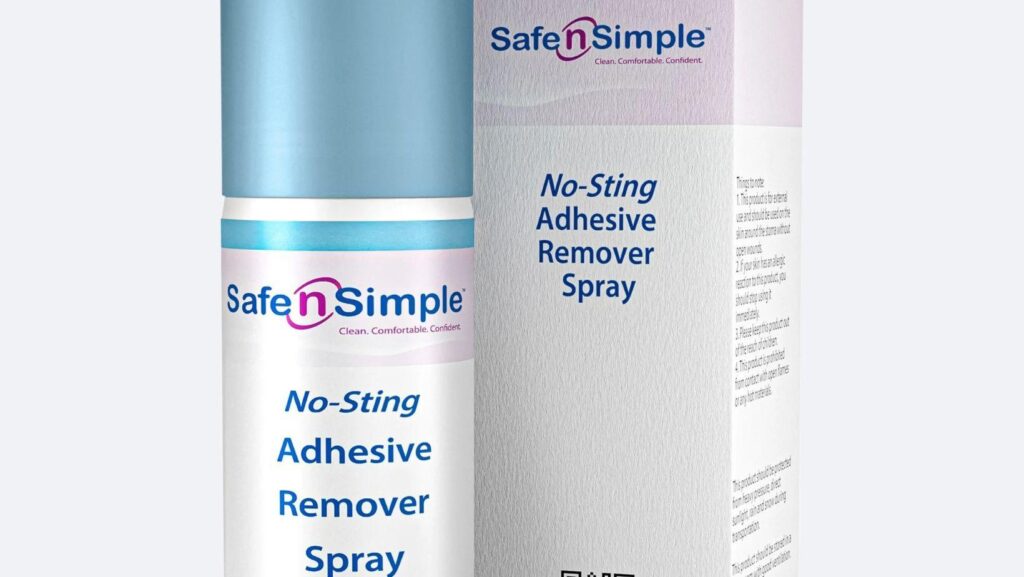
An adhesive remover spray, for example, can be applied around the edges of a dressing or device to loosen adhesion gradually, allowing it to be lifted away from the skin with minimal resistance.
Best Practices for Safe Adhesive Removal
Regardless of the specific product used, following proper technique is essential.
Step-by-Step Approach
Prepare the skin
Ensure the area is clean and dry before starting removal.
Support the skin
Use one hand to gently hold the skin down while removing the adhesive with the other.
Remove slowly and low
Peel the adhesive back slowly, keeping it close to the skin rather than pulling upward.
Use removal aids as needed
Apply remover along the edge to reduce resistance and discomfort.
Clean and protect afterward
Remove any residue and allow the skin to rest before applying a new device.
These steps significantly reduce trauma, especially for individuals with fragile or compromised skin.
Maintaining Healthy Skin Between Applications
Skin care doesn’t stop once the adhesive is removed. Preparing and protecting the skin before reapplication is just as important.
Skin Care Tips for Frequent Adhesive Users
Healthy skin improves adhesion performance and reduces the likelihood of complications.
Special Considerations for Long-Term Adhesive Use
Certain populations require extra care due to increased vulnerability.
Individuals at Higher Risk
For these groups, consistent use of gentle removal techniques and skin-protective products is not optional—it’s essential for maintaining quality of life.
Balancing Adhesion Strength and Skin Safety
A common concern among users is that gentler removal methods may reduce adhesive effectiveness. In reality, protecting the skin often improves long-term adhesion. Damaged or irritated skin is less able to hold devices securely, leading to leaks, detachment, or frequent replacements.
By maintaining skin integrity, users often experience:
Education and Awareness in Adhesive Skin Care
Despite how common adhesive-related issues are, many people are never taught proper removal or skin care techniques. Education from healthcare providers, caregivers, and trusted resources can make a significant difference.
Topics that should be routinely discussed include:
Empowering individuals with knowledge leads to better outcomes and fewer complications.
The Growing Focus on Skin-Friendly Medical Products
As awareness increases, manufacturers continue to develop adhesives and accessories that prioritize skin health. Innovations include:
These advancements reflect a broader shift toward patient-centered care, where comfort and long-term wellbeing are just as important as clinical effectiveness.
Conclusion
Medical adhesives are indispensable tools in healthcare, but they must be used thoughtfully to avoid unnecessary skin damage. Understanding how adhesives interact with the skin, using proper removal techniques, and incorporating supportive products can dramatically improve comfort and outcomes.
Whether managing a short-term wound or a long-term medical device, prioritizing skin health benefits both performance and quality of life. With the right knowledge and tools, individuals and caregivers can ensure that medical adhesives serve their purpose—without compromising skin integrity.