
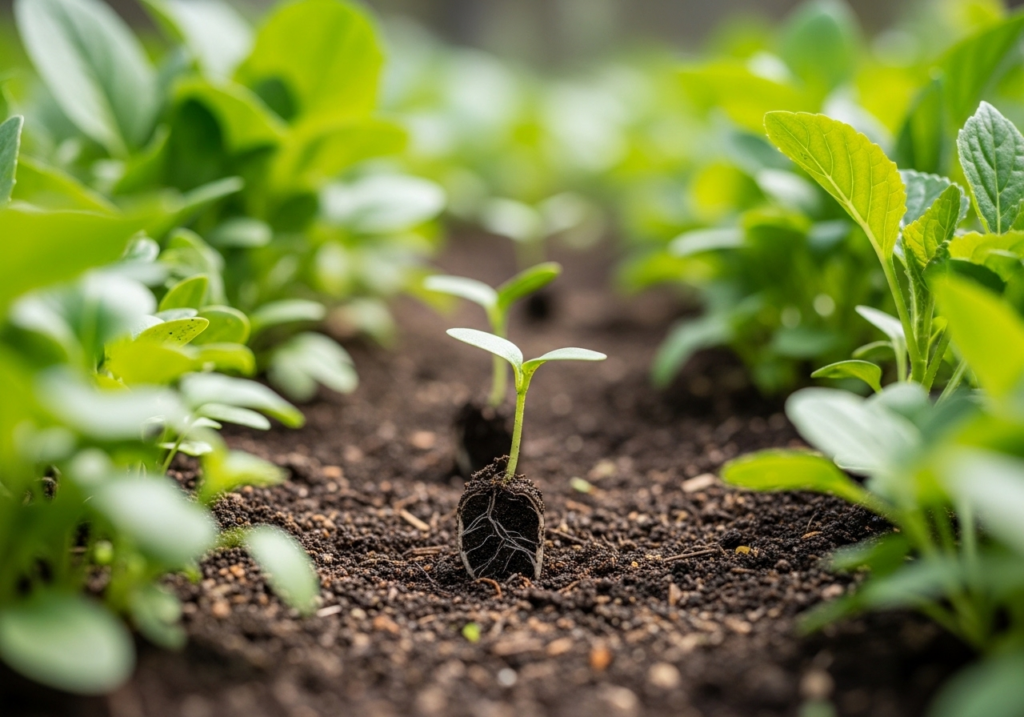
Sustainable gardening opens doors for homeowners who want to nurture both their local environment and personal well-being while supporting biodiversity through gentler, more thoughtful methods. This cultivation approach has captured widespread attention because it cuts down on waste, preserves vital resources, and builds garden resilience against our shifting climate patterns. Whether you’re taking your first steps into gardening or have years of experience under your belt, sustainable practices provide practical solutions that enhance your immediate surroundings while contributing to the larger ecosystem—creating gardens that dance with nature instead of fighting against it.
Benefits of Sustainable Gardening
Many home gardeners start their journey by discovering how to plant and flower seeds that flourish with minimal intervention, laying the groundwork for lasting success. The rewards of sustainable gardening ripple far beyond your property lines. Home gardeners gain access to chemical-free, nutrient-dense produce while discovering that tending plants offers remarkable stress relief and mental clarity. There’s something deeply satisfying about getting your hands dirty and watching seeds transform into thriving plants—it forges a genuine connection with the natural world that many of us have lost.
Environmentally speaking, sustainable gardens pack a powerful punch. They slash carbon emissions by reducing our dependence on shipped produce and eliminate pesticide use that can devastate local ecosystems. Biodiversity support stands out as perhaps the greatest gift these gardens offer, as carefully planned spaces become magnets for crucial pollinators, beneficial insects, and wildlife that keep our ecological systems humming.
The beauty lies in how even modest efforts create impressive change. A simple herb garden on an urban balcony perfectly illustrates how sustainable principles work beautifully in tight spaces, proving that you don’t need acres of land to become an environmental steward.
Choosing the Right Plants for Sustainability
Prioritizing Native and Adapted Species
Native plants shine in sustainable gardens because they’ve already mastered the art of thriving in your specific conditions. Their natural drought tolerance, extensive root networks that heal soil, and built-in defenses against local pests make them incredibly low-maintenance choices. These species evolved alongside your regional ecosystem over thousands of years, so they naturally support local wildlife far better than exotic imports while demanding fewer resources from you.
When you choose plants that mesh well with your local soil and climate, you’re working with nature’s blueprint rather than against it. This harmony means less need for soil amendments, supplemental watering, and pest control interventions. Your local extension service offers invaluable guidance on selecting regionally appropriate species that will help your garden weather whatever comes its way.
Incorporating Diversity for Resilience
Planting a variety of species creates a natural insurance policy against pests, diseases, and unpredictable weather while building overall garden strength. This diversity mirrors what happens in wild ecosystems, where different plants collaborate to create robust, self-sustaining communities.
Including flowering plants that offer nectar and shelter supports the pollinator populations we desperately need for food production and ecosystem health. As you select plants, weigh important factors like soil type, sunlight availability, how large plants will grow, and what they’ll contribute across seasons to craft a truly balanced garden ecosystem.
Essential Practices for Eco-Friendly Gardens
Soil Health and Organic Amendments
Healthy soil forms the backbone of any sustainable garden, and building it through composting, mulching, and gentle tillage practices creates a foundation that stores carbon while boosting nutrient retention and fostering the beneficial microorganisms plants depend on.
Adding organic amendments like biochar or mycorrhizal fungi can work wonders for soil structure and plant vigor. Picture the incredible transformation when compacted, lifeless dirt becomes rich, fertile earth through steady composting of kitchen scraps and yard debris—a change that often becomes dramatically visible within just one growing season.
Water Conservation Techniques
Rainwater harvesting systems, drip irrigation setups, and thoughtful mulching dramatically cut water use while protecting soil from erosion. Selecting drought-tolerant plants and replacing thirsty lawns with native ground covers further lightens your water footprint.
Key insight: Mulching works double duty by locking in moisture and choking out weeds—spread 2-3 inches around your plants for the best results.
Reducing Chemicals and Waste
Natural pest management, crop rotation, and companion planting eliminate synthetic chemicals while keeping gardens healthy and productive. These methods harness natural systems instead of disrupting them, creating sustainable cycles that strengthen over time.
Composting yard debris and finding new uses for materials keeps tons of waste out of landfills while generating valuable soil improvements. Extension service guidelines offer tested, environmentally gentle approaches backed by solid research.
Overcoming Common Challenges
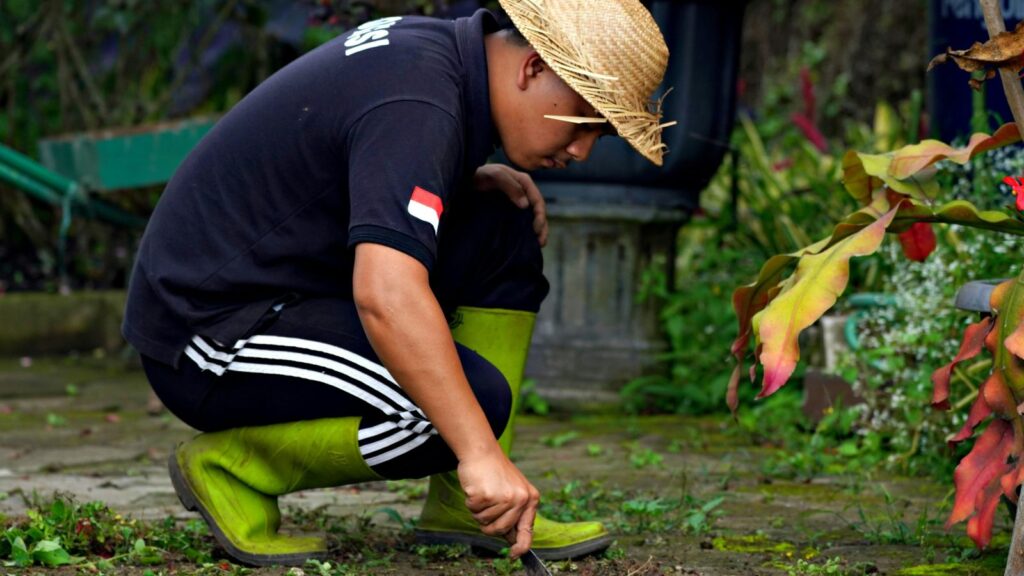
Limited space doesn’t have to derail your sustainable gardening dreams. Vertical growing systems and thoughtfully chosen containers using eco-friendly materials maximize small areas while staying true to environmental principles.
New gardeners often feel discouraged during the establishment phase when progress seems slow. Success comes from focusing on soil testing and patient plant establishment rather than expecting instant gratification. Local botanical gardens and extension programs provide trustworthy guidance for common issues like recognizing overwatering symptoms and managing aphids naturally.
Long-Term Maintenance and Expansion
Sustainable gardens thrive with consistent seasonal care through regular mulching, health-focused pruning, and gradual expansion using perennial plants that become more self-sufficient with age. Weaving edible plants throughout ornamental displays creates gardens that feed both body and soul.
Research shows that diverse plantings capture substantial amounts of carbon while supporting ecosystem vitality, making garden expansion a smart investment in both personal satisfaction and environmental health.
Closing Remarks
Sustainable gardening delivers tangible benefits for health, environment, and wallet through smart plant choices, careful soil stewardship, and efficient resource use. These practices cultivate spaces that serve human needs while supporting ecological balance and reducing environmental harm.
Take a moment to evaluate your outdoor space and try implementing one sustainable technique—perhaps adding native plants or starting a simple compost bin—to experience immediate positive changes. Your individual contribution to ecosystem health shows how personal actions can drive meaningful environmental progress, sparking continued commitment to sustainable practices that benefit both your home and our shared planet.