
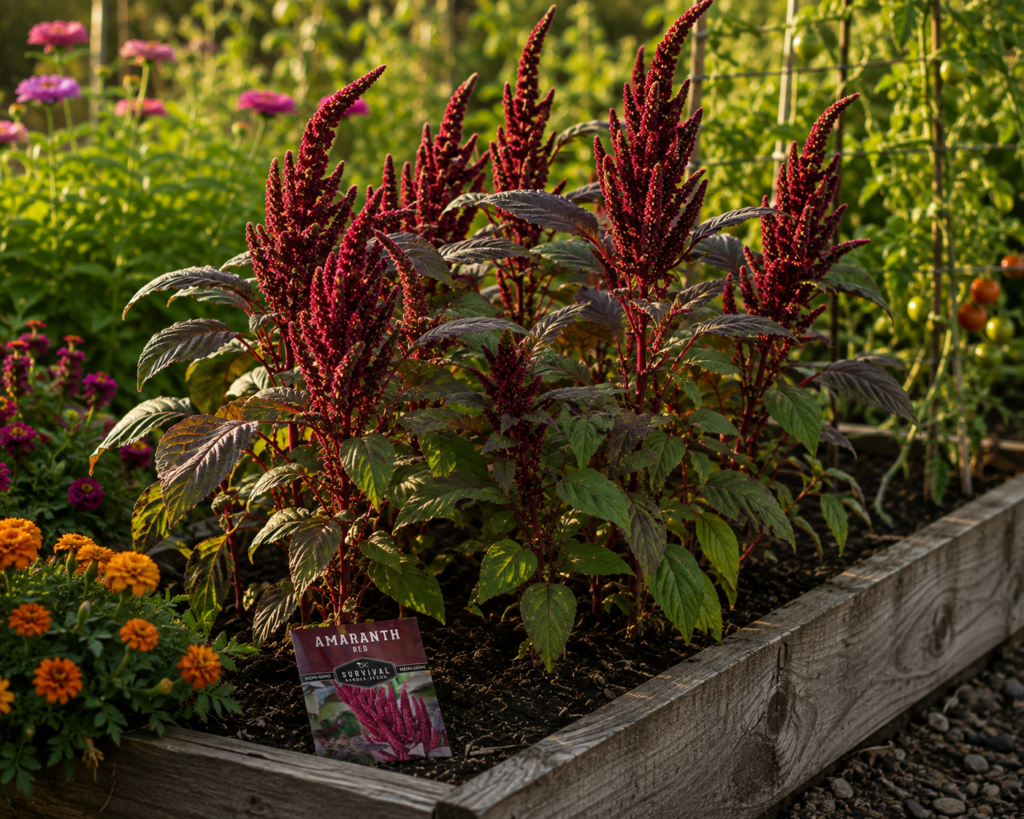
When gardeners talk about reliable crops, vegetables like tomatoes, beans, and squash usually come up first. Yet there is another plant that has quietly earned its place in gardens around the world for thousands of years. If you've been curious about growing amaranth, you'll quickly discover that it offers a unique combination of beauty, versatility, and productivity that is difficult to find in a single crop.
One reason amaranth continues to attract attention is that it fits so many different gardening goals. Whether you enjoy growing edible plants, creating a colorful landscape, attracting pollinators, or simply trying something new each season, amaranth has something to offer. Unlike many crops that serve only one purpose, it provides visual appeal while also producing edible leaves and grain. It is easy to understand why this ancient plant continues to attract modern gardeners who want both beauty and practicality from the plants they grow.
Why Amaranth Has Been Grown for Thousands of Years
Plants rarely remain popular for centuries unless they provide lasting value. Amaranth has survived changing climates, cultures, and gardening trends because it continues to prove itself as a dependable and versatile crop.
A Crop with a Rich History
Long before modern vegetable gardens became common, people were growing amaranth as an important food crop. Different cultures valued it for its edible leaves and nutritious grain, making it one of the earliest cultivated plants in many parts of the world.
Although gardening methods have changed over time, the qualities that made amaranth valuable centuries ago still make it worthwhile today. Many gardeners enjoy growing plants with a story behind them, and amaranth offers a connection to generations of growers who recognized its usefulness long before today's gardening trends emerged.
Beauty and Function in One Plant
Many edible plants are grown mainly for their harvest. Amaranth is different because it also adds striking visual interest to the garden.
Its colorful foliage, tall stems, and dramatic flower plumes create a bold display that looks just as comfortable in an ornamental border as it does in a vegetable garden. Few crops combine practical value and ornamental appeal so naturally.
This versatility makes amaranth an excellent choice for gardeners who want every plant to contribute something unique. Instead of separating flowers from vegetables, many people now create edible landscapes where attractive plants also provide food. Amaranth fits perfectly into this growing style of gardening because it brings color, height, and productivity to the same space.
A Plant That Rewards Curiosity
One of the joys of gardening is discovering crops that are a little different from the usual choices. Amaranth is often one of those discoveries.
Gardeners who decide to grow it are frequently surprised by how much one plant can contribute throughout the season. It encourages people to explore new vegetables, experiment with different recipes, and appreciate crops that are not commonly found at the grocery store.
What Makes Amaranth Different from Other Garden Crops?
Every plant has strengths, but amaranth stands out because it fills several roles at once. It is equally at home in a vegetable garden, a flower border, or a mixed landscape.
Both Leaves and Grain Can Be Harvested
Unlike many crops that produce only one useful harvest, amaranth offers more than one opportunity to enjoy what you've grown.
The young leaves can be harvested during the growing season, while mature plants eventually produce grain that has been valued as a food source for generations.
Having multiple harvests from a single planting makes the crop especially rewarding for home gardeners. Instead of waiting until the end of the season, gardeners can enjoy fresh harvests at different stages of growth. This helps maximize the value of each plant while making the garden productive for a longer period.
Thrives During Warm Weather
Many cool-season vegetables begin to struggle as temperatures rise.
Amaranth, however, enjoys warm conditions and often continues growing vigorously during the hottest part of summer. This allows gardeners to keep beds productive even after spring crops have slowed down.
For many people, this makes amaranth a useful addition because it helps bridge the gap between spring harvests and late-season vegetables. Having crops that enjoy summer heat creates a more balanced and resilient garden.
An Excellent Choice for Diverse Gardens
Growing a variety of crops creates a more interesting and resilient garden.
Adding amaranth introduces different colors, textures, and growth habits while increasing the diversity of edible plants available throughout the season.
A diverse garden is often more enjoyable to care for because every section offers something different. Mixing familiar vegetables with unique crops creates visual interest while encouraging gardeners to continue learning and experimenting.
How Amaranth Fits into Different Garden Styles
One reason gardeners appreciate amaranth is its flexibility. It works well in many different settings and complements both traditional and modern garden designs.
A Natural Fit for Vegetable Gardens
Amaranth blends easily with traditional vegetables.
Its upright growth habit allows it to stand above many neighboring crops while adding height and structure to planting beds.
Many gardeners enjoy combining vegetables, herbs, and flowers instead of separating them into different areas. Amaranth fits naturally into this style because it provides visual contrast while remaining a productive edible crop.
A Standout in Ornamental Landscapes
Even gardeners who focus primarily on flowers often appreciate amaranth.
Its dramatic seed heads and colorful foliage create eye-catching displays that continue well into the growing season.
Many visitors are surprised to learn that such a striking ornamental plant also produces edible leaves and grain. That combination often becomes a conversation starter whenever people visit the garden.
A Welcome Addition to Pollinator Gardens
Flowering plants play an important role in supporting bees and other beneficial insects.
When amaranth begins producing its distinctive flower plumes, it becomes another valuable source of interest within a diverse pollinator-friendly landscape.
A garden that attracts pollinators benefits far more than flowering plants alone. Bees and other beneficial insects also visit nearby vegetables and fruiting crops, helping support a healthier and more productive growing environment.
Growing Conditions That Help Amaranth Thrive
One reason beginners enjoy growing amaranth is that it does not require constant attention once established. Like many successful garden plants, it responds well to consistent care rather than complicated techniques.
Plenty of Sunlight Encourages Strong Growth
Like many warm-season crops, amaranth performs best when it receives abundant sunshine.
A bright location helps plants develop sturdy stems, healthy foliage, and vigorous overall growth. Strong plants are also better equipped to support their large flower plumes later in the season.
Well-Drained Soil Supports Healthy Roots
Amaranth is adaptable, but well-drained soil generally provides the best growing conditions.
Healthy roots allow the plant to make the most of available moisture and nutrients throughout the growing season. Good drainage also encourages steady growth during periods of summer heat.
Consistent Care Goes a Long Way
Although amaranth is considered relatively low maintenance, regular watering during dry periods and occasional observation help keep plants growing well.
Simple routines often produce better long-term results than trying to solve problems after they appear. Spending a few minutes checking the garden every few days can make a noticeable difference over an entire growing season.
Why Gardeners Appreciate Amaranth Throughout the Season
Some crops provide one brief harvest before disappearing from the garden. Amaranth offers interest from planting until the growing season ends.
Rapid Early Growth
Once conditions are favorable, amaranth often establishes itself quickly.
Watching seedlings develop into tall, colorful plants is one reason many gardeners enjoy growing it each year. The steady progress makes the garden feel active and rewarding throughout the summer.
A Changing Garden Display
As the season progresses, the plant's appearance changes.
Fresh foliage gives way to bold flower plumes that continue adding visual interest long after many other annual plants begin to fade. This changing appearance means the garden continues evolving instead of looking the same month after month.
Harvest Opportunities Over Time
Because leaves and grain mature at different stages, gardeners can enjoy multiple harvest opportunities instead of relying on a single picking.
This extended usefulness makes amaranth feel like a long-term contributor rather than a short-lived crop. It also encourages gardeners to spend more time observing how the plant changes throughout the season instead of viewing harvest as a single event.
Common Misunderstandings About Amaranth
Gardeners who have never grown amaranth sometimes make assumptions that are not entirely accurate. Learning a little about the plant often changes those first impressions.
It Is Not Just an Ornamental Plant
Its colorful appearance often leads people to believe it is grown only for decoration.
In reality, wide varieties are valued just as much for their edible qualities as they are for their beauty.
It Is Not Difficult to Grow
Because amaranth looks unusual, some gardeners assume it must require specialized care.
Most are pleasantly surprised to discover that it grows using many of the same basic gardening principles that apply to other warm-season crops. That accessibility is one reason it continues to gain popularity among home gardeners.
It Offers More Than One Harvest
Many first-time growers expect to harvest only grain.
Learning that the leaves can also be enjoyed throughout the season often changes how they view the plant and increases its value in the garden. Multiple harvest opportunities are one of the qualities that make amaranth stand apart from many other edible crops.
Why Amaranth Continues to Earn Its Place in Modern Gardens
Gardening is often about balancing beauty, productivity, and enjoyment. Few plants manage to deliver all three as naturally as amaranth.
Its long history reminds us that some crops remain popular because they consistently prove their worth. From its striking appearance to its multiple harvest opportunities and adaptability in different garden styles, amaranth continues to show why it has been grown for generations. Rather than replacing familiar vegetables, it complements them by adding something different to the garden. For anyone who enjoys discovering unique plants with a rich history and practical value, amaranth remains one of the most rewarding crops to explore.