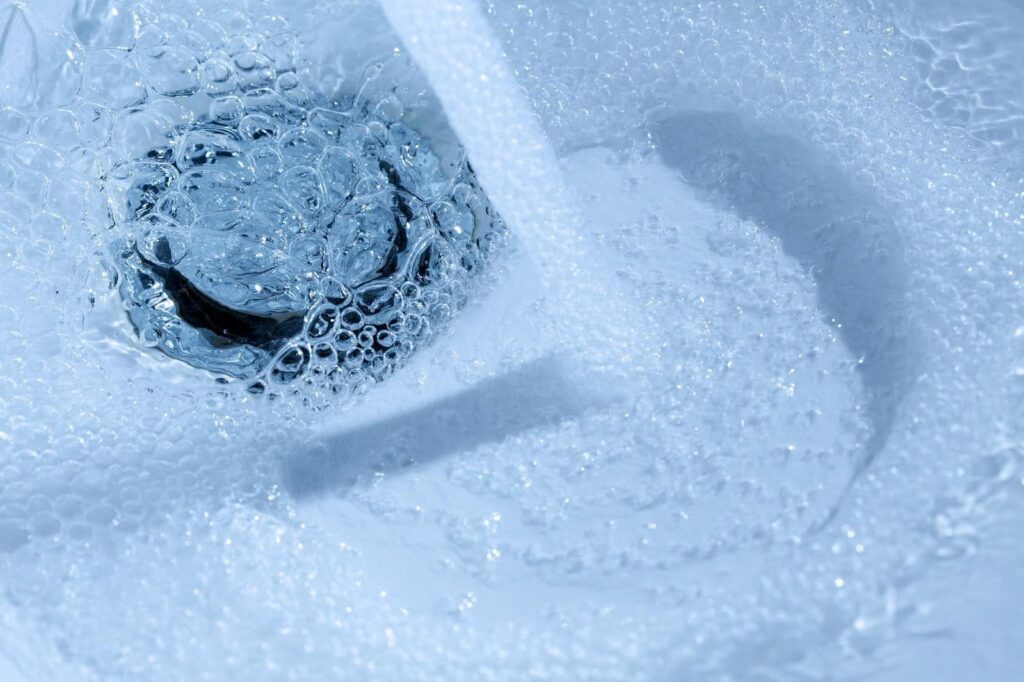
Maintaining clear drains is crucial for both residential and commercial properties. The benefits range from preventing unpleasant odours to avoiding costly repairs. Clogged drains can lead to serious issues, including water damage and health hazards due to stagnant water and mould growth. This guide provides comprehensive insights to help you maintain clear drains, focusing on understanding common causes of clogs, essential tools, preventative measures, DIY techniques, and when to call in the professionals.
Understanding the Causes of Drain Clogs
Clogged drains are often the result of everyday household items making their way into pipes—hair, food particles, grease, and toiletries being the usual suspects. In some instances, natural elements play a part too. For instance, tree roots can infiltrate drainage lines, particularly in older homes with clay pipes, causing significant blockages.
It’s important to distinguish between slow drains and complete blockages. A slow drain may indicate a developing blockage, while a complete blockage stops water flow entirely. Recognising the underlying cause of a drain issue is key to providing an effective solution and reducing the likelihood of it happening again.
Professional plumbers use advanced methods such as hydro jetting to clear stubborn drain clogs quickly and effectively. This powerful technique blasts high-pressure water through your pipes, removing built-up grease, debris, mineral deposits, and even invasive tree roots that traditional snaking can’t fully eliminate. By thoroughly cleaning the interior of the plumbing lines, hydro jetting not only resolves the immediate blockage but also helps prevent future clogs, restoring optimal flow and improving the long-term health of your drainage system.
Essential Tools and Materials for Drain Maintenance
To tackle drain maintenance efficiently, a toolkit with essentials such as a plunger, pipe wrench, and drain snake becomes indispensable. A plunger works well for minor blockages. In contrast, a drain snake is effective for breaking up hair clogs or retrieving small items blocking the pipes. Additionally, a pipe wrench can help disassemble pipes for deeper clogs.
Regarding cleaning solutions, both natural and chemical options are available. Natural solutions, like vinegar and baking soda, offer a non-toxic approach, while chemical cleaners provide rapid results for tougher clogs. It’s important to consider the potential environmental and health implications when opting for chemical cleaners.
Safety is paramount during maintenance. Gloves, goggles, and masks protect against harmful chemicals and contaminants. Proper use and care of tools can extend their lifespan and ensure they’re ready for any blockage emergency.
Preventative Measures to Keep Drains Clear
Incorporating daily habits can significantly reduce the risk of clogged drains. Scraping food from dishes before rinsing and avoiding pouring grease down the sink are practices that prevent kitchen blockages. Similarly, using screens and hair catchers in bathroom drains can minimise hair and soap buildup.
Routine maintenance schedules keep your plumbing system healthy. Regularly cleaning drain guards and flushing drains with hot water aids in preventing debris accumulation. Different drains present unique challenges, so specific guidance for kitchen, bathroom, and basement drains ensures all bases are covered.
Use of drain guards is highly recommended. They’re easy to install and cost-effective, catching debris before it enters the pipes. This simple measure can save time and money in the long run.
DIY Techniques for Unclogging Drains
If clogs arise, try some DIY methods before considering professional help. A plunger proves useful for sinks and toilets, creating the necessary pressure to dislodge blockages. If the plunger doesn’t work, a drain snake can be inserted into pipes to remove obstructions.
Creating a natural drain cleaner with household items like vinegar and baking soda is a safe alternative for clearing minor clogs. Pour boiling water into the drain followed by the solution, and let it sit for a few hours before rinsing with hot water again. This technique is effective for minor buildups and requires no special skills.
For tougher clogs, patience and technique are needed. If these efforts fail to resolve the issue, it might be time to enlist professional services. Attempting complex repairs without the right knowledge can lead to more damage.
Calling in Professionals: When and Why
Spotting drain problems before they turn serious can save you a lot of hassle. However, certain signs indicate the need for professional intervention. Persistent clogs, unpleasant odours or noises from pipes, and multiple slow drains in the home point to significant issues.
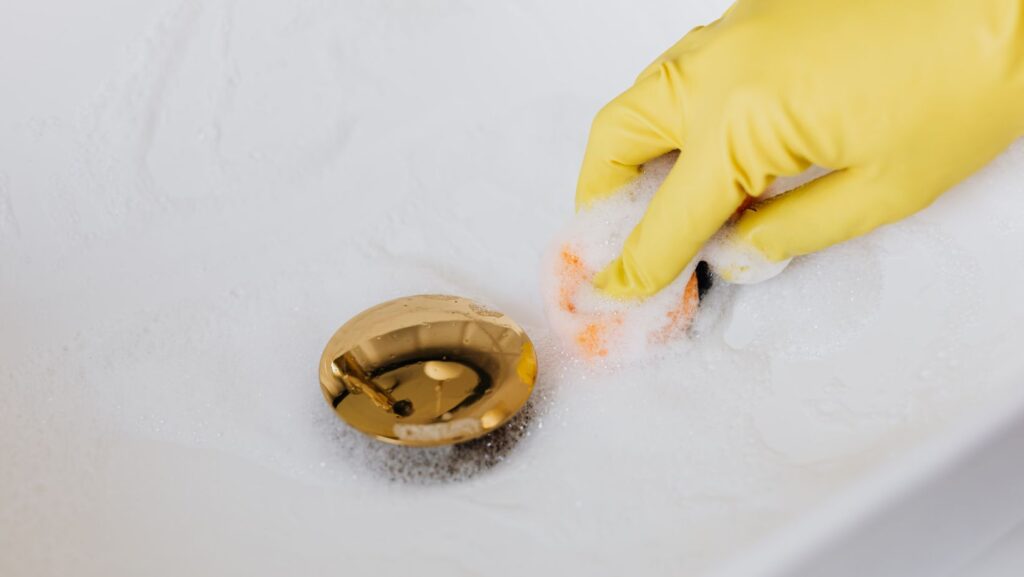
Professionals use distinctive techniques such as hydro jetting, which involves using high-pressure water to clear pipes, or camera inspections to diagnose problems efficiently. Regular inspections by professionals can prevent unexpected emergencies and extend the lifespan of your plumbing system.
While professional services come at a cost, the benefits often outweigh these expenses. Expert maintenance prevents minor problems from escalating into major disruptions, safeguarding your property’s integrity.
Conclusion
Keeping drains clear hinges on understanding clog causes, employing essential tools, establishing preventative habits, and knowing when to seek professional assistance. Adopting good maintenance practices enhances the plumbing system’s health, ensuring a clean and safe property environment. For more in-depth information, explore resources or consult with plumbing experts to bolster your understanding and management of drain maintenance.