
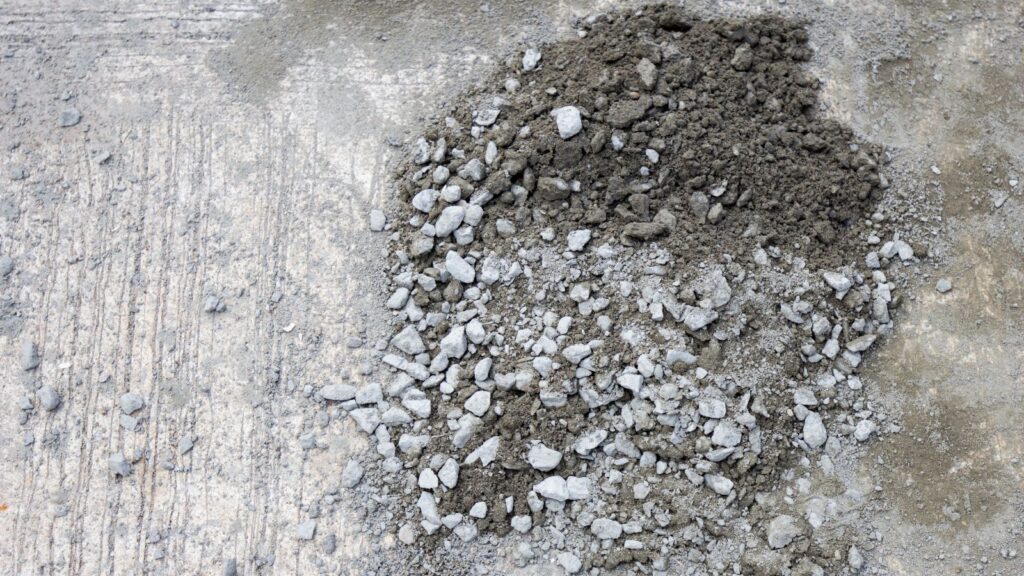
Concrete is one of the most challenging materials contractors deal with on large residential projects. Whether it’s removing old driveways, breaking up patios, replacing foundations, or cutting out slabs for additions, concrete debris shows up early and often—and it behaves very differently from standard construction waste.
On large residential jobs, concrete removal can quickly become a limiting factor if it isn’t planned correctly. It’s heavy, dense, and difficult to handle, and it can slow down crews, overload containers, and disrupt scheduling if not managed properly. Unlike lighter materials that can be stacked and moved easily, concrete requires a more deliberate approach from the moment demolition begins.
For contractors, handling concrete debris efficiently is not just about disposal. It’s about maintaining workflow, protecting equipment, and ensuring that each phase of the project can move forward without delay.
Why Concrete Becomes a Bottleneck on Residential Jobs
Concrete has a unique ability to slow down otherwise efficient projects. Even relatively small areas can produce large amounts of heavy debris, and once demolition starts, that material must be removed quickly to keep work moving.
On residential sites, space is often limited, which makes staging concrete debris more difficult. Piles of broken slab or footing material can block access to driveways, walkways, or work zones if not cleared promptly.
In addition, many residential projects involve overlapping tasks. While one crew is removing concrete, another may be preparing for framing or installation. If debris isn’t removed efficiently, it can delay multiple trades at once.
Recognizing concrete as a potential bottleneck helps contractors plan more effectively from the start.
Planning Disposal Before Concrete Is Broken
One of the most important decisions in handling concrete debris is planning disposal before demolition begins. Once concrete is broken, it accumulates rapidly, and delays in removal can bring progress to a halt.
Contractors should evaluate the total amount of material to be removed, where it will be generated, and how quickly it needs to be cleared.
This includes determining how many containers will be required, how often they will need to be swapped, and where they can be placed for efficient loading.
Having a clear disposal plan in place ensures that debris can be removed continuously, rather than piling up and creating obstacles.
Early planning keeps demolition and removal aligned.
Understanding Weight as the Primary Constraint
Unlike most construction debris, concrete reaches weight limits long before it fills a container by volume. This makes weight the primary constraint when planning disposal.
Contractors often encounter situations where a container appears only partially full but is already at capacity due to the density of the material.
This requires a shift in how containers are used. Instead of focusing on filling them completely, contractors must monitor weight and load accordingly.
Key considerations include limiting how much concrete is loaded at one time and avoiding the temptation to maximize volume at the expense of weight control.
Managing weight effectively prevents delays and keeps hauling operations running smoothly.
Using Equipment to Reduce Manual Handling
Concrete is not only heavy but also physically demanding to move. On large residential projects, relying on manual labor alone can significantly slow down progress and increase the risk of injury.
Using equipment such as skid steers, mini excavators, or loaders to handle concrete debris improves efficiency and reduces strain on workers.
Direct loading into containers is one of the most effective ways to streamline the process. This minimizes the number of times material needs to be moved and helps maintain a steady workflow.
Reducing manual handling allows crews to focus on higher-value tasks and keeps the project moving forward.
Strategic Container Placement for Heavy Loads
Placement becomes even more critical when dealing with concrete debris. Containers must be positioned where they can be loaded efficiently while also supporting safe and stable conditions.
On residential sites, this often means placing containers on driveways or other accessible areas. However, the weight of concrete can put significant stress on these surfaces.
Contractors should consider both access and ground stability when selecting a location. Containers should be close enough to reduce travel distance but positioned in a way that does not interfere with other activities.
Proper placement helps maintain efficiency and reduces the risk of surface damage or operational issues.
Coordinating Removal with Demolition Pace
Concrete demolition often happens in bursts, especially when crews are breaking up slabs or footings. During these periods, debris is generated quickly and must be removed just as fast to keep work areas clear.
Contractors should coordinate container swaps and pickups with the pace of demolition. Waiting too long to remove a full container can lead to debris piling up and slowing down progress.
At the same time, scheduling pickups too early can create gaps where no container is available.
Finding the right balance ensures that removal keeps pace with production.
Consistent coordination helps maintain momentum throughout the project.
Managing Mixed Materials with Concrete
Concrete debris is often mixed with other materials such as soil, rebar, or adjacent construction debris. While this is sometimes unavoidable, it can complicate handling and disposal.
Soil adds additional weight, while mixed materials can make loading less efficient. Contractors should be mindful of how these materials are combined and take steps to manage them where possible.
Separating heavy debris from lighter materials when practical helps maintain better control over weight and container usage.
Managing mixed materials carefully improves efficiency and reduces the risk of overages.
Protecting Property During Concrete Removal
Large residential projects require careful attention to the surrounding property. Concrete debris can damage driveways, landscaping, and other surfaces if not handled properly.
Repeated loading and unloading of heavy materials increases the risk of surface wear or structural damage.
Contractors should take steps to protect the site, including selecting appropriate placement areas and avoiding unnecessary movement of heavy debris across finished surfaces.
Protecting the property helps prevent additional work and maintains a professional appearance.
Attention to detail during removal supports better overall outcomes.
Working with Reliable Waste Removal Services
Handling concrete debris effectively often depends on working with experienced waste removal providers who understand the challenges of heavy materials.
Contractors frequently coordinate with providers such as Waste Removal USA to ensure that containers are appropriate for concrete loads and that pickups are scheduled in line with project demands.
Reliable service helps maintain consistent removal and reduces the risk of delays caused by full containers or missed pickups.
Clear communication allows contractors to adjust plans as needed.
Strong partnerships support smoother operations.
Avoiding Common Concrete Handling Mistakes
Concrete handling presents several common challenges that can disrupt residential projects if not addressed early. These include overloading containers, underestimating the volume of debris, and failing to coordinate removal with demolition.
Another frequent issue is allowing debris to accumulate in work areas, which restricts access and slows progress.
Avoiding these mistakes requires a proactive approach and careful planning.
Monitoring conditions throughout the project helps identify potential issues before they become problems.
Consistency in handling practices improves efficiency.
Improving Efficiency Across the Entire Project
Concrete debris handling is closely tied to overall project efficiency. When removal is managed properly, crews can move seamlessly from demolition to preparation and installation.
Clear work areas allow for faster transitions between phases, while efficient handling reduces labor demands and minimizes delays.
Contractors who prioritize concrete disposal as part of their overall strategy gain a significant advantage in managing large residential projects.
Efficiency improves when heavy debris is handled with precision.
Concrete debris handling is a critical component of large residential construction projects. Its weight, volume, and impact on workflow make it one of the most important materials to manage effectively.
For contractors, planning disposal early, controlling weight, and coordinating removal with demolition are essential steps in maintaining project momentum. Strategic placement, efficient use of equipment, and reliable service further support smooth operations.
By approaching concrete handling with a clear strategy, contractors can reduce delays, control costs, and keep projects moving forward from start to finish.