
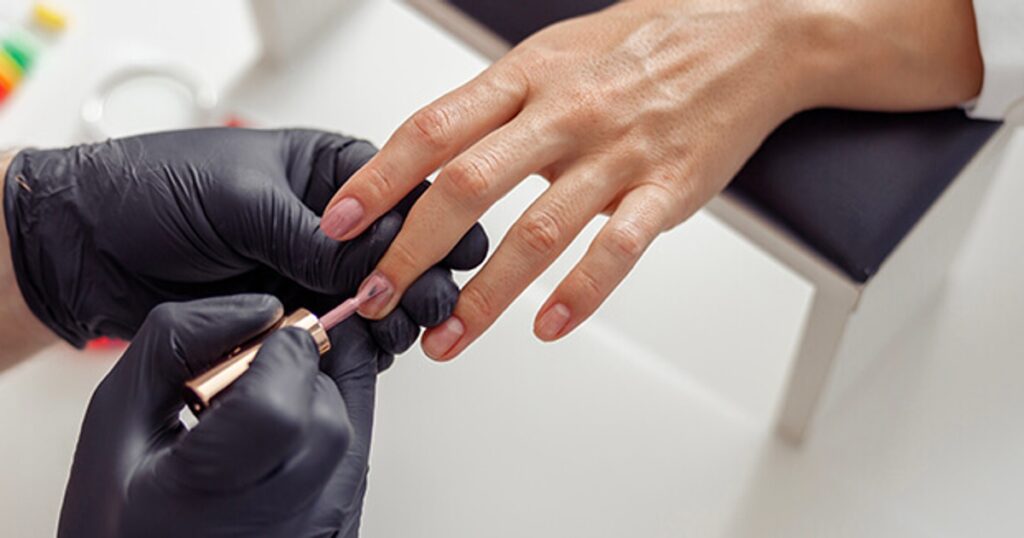
You think it’s about color. About sparkle. About the Instagram feed of perfect ombres and airbrushed cuticles. It’s not.
It’s about calluses that never heal. About the smell of acetone clinging to your skin for weeks. About the quiet dread before every appointment because you know one wrong move, one rushed cure, one skipped step, and you’ve damaged someone’s nail bed for good. You don’t get to wing it.
Manicure courses teach you the science behind the art. They show you why gel lifts — not because of the brand, but because of improper prep. They teach you how to hold the file at the right angle so you don’t thin the nail. They make you practice until your hands move without thinking.
It’s Not Just About Doing Nails All Day
You’ll spend your first month learning anatomy, not art. You’ll memorize the layers of the nail plate, the blood flow under the eponychium, the signs of onycholysis before you ever pick up a brush. You’ll file the same practice hand twenty times until your fingers ache, not because you want to, but because you have to.
Client communication isn’t small talk. It’s listening when someone says they just want their nails to look natural while holding up a photo of a gold stiletto set. It’s saying no. Not with anger, but with clarity.
Sanitation isn’t a checklist. It’s non-negotiable. One contaminated tool, one improperly sterilized drill, one reused buffer, and you’ve put someone’s health at risk. State boards don’t warn you twice.
Patience isn’t a virtue here — it’s survival. You’ll redo sets because the client didn’t let the gel cure long enough. You’ll sit through silence while someone stares at their nails like they’re judging your worth.
Consistency? That’s what keeps people coming back. Not the glitter. Not the trend. Just the fact that you showed up. Again. And again. And didn’t cut corners.
Here’s Why Training Makes a Huge Difference
You can’t learn this from videos. You can’t guess your way through a state exam. You can’t risk a client’s nail health on a tutorial you found at 2 a.m.
Structured learning saves you from years of rebuilding bad habits. Self-taught techs spend months unlearning. You don’t have that time.
Certification isn’t paperwork. It’s credibility. Salons won’t hire you without it. Clients won’t pay for your services if you’re not licensed. Insurance won’t cover you. The law won’t protect you.
Training isn’t an expense. It’s the only thing standing between you and failure.
What You Actually Learn in Nail Technician Classes
- Nail care techniques and product knowledge: How to safely remove acrylics without damaging the matrix. Why some gels cure faster under certain lamps. How to tell if a client’s discoloration is staining. What are the signs of infection.
- Safety and sanitation practices: Autoclaving protocols. How to disinfect a station after a blood spill. Why you never reuse a wooden stick. Why gloves aren’t optional. Why you should document everything.
- Basic nail art and design: How to place rhinestones so they stay. How to paint a French tip that doesn’t chip in three days. How to create designs that hold up to real life.
- Working with clients professionally: How to set boundaries when someone cancels at the last minute. How to price your time without apology. How to handle someone who’s angry because their nails didn’t last two weeks. How to listen when they’re not talking about nails at all.
You don’t learn how to go viral. You learn how to keep someone’s nails healthy. That’s the job.
Mistakes Almost Every Beginner Makes
- Trying to learn everything from YouTube: Half the tutorials are outdated. Half are dangerous. You’ll pick up habits that cost you clients — and your license.
- Skipping proper training: State boards require 300 to 600 hours. No exceptions. No shortcuts. You won’t get licensed. You won’t get hired. You won’t get insured.
- Underestimating how much practice is needed: You need 50+ hands before you touch a paying client. That’s not a suggestion. That’s the minimum. You’ll waste products. You’ll ruin nails. You’ll feel like you’re failing. And that’s alright if you keep going.
- Not taking hygiene seriously: One lapse is enough. One contaminated tool. One unclean brush. One missed disinfection step and you’re done. No second chances.
- Buying cheap tools: Low-quality drills break. Cheap brushes shed. Bad gels lift. You think you’re saving money but you’re just losing trust.
The best nail technicians aren’t the ones with the most followers. They’re the ones who showed up every day. Did the work. Follow the rules. Even when no one was watching.
Final Thoughts
Becoming a nail technician isn’t about aesthetics. It’s about responsibility. Precision. Reliability.
This isn’t a side hustle. It’s a licensed profession. You’re not just decorating nails, you’re caring for tissue, preventing infection, and protecting someone’s physical well-being.
The people who succeed don’t chase trends. They master fundamentals. They don’t wait for inspiration. They show up even when they’re tired. Even when they’re discouraged. Even when they’ve done the same routine for the tenth time that day.
If you’re serious, you start with training. Not with a video. Not with a kit. Not with hope.
FAQ
Do you need training to become a nail technician?
Yes. Every state requires a licensed nail technician credential. No exceptions. No DIY alternatives. Without formal training and certification, you cannot legally work in a salon, offer services to the public, or obtain liability insurance.
What should beginners know before starting?

You are not an artist — you are a technician. Your work impacts health. You will face physical fatigue. You will encounter difficult clients and will make mistakes. You will learn. You will improve. That’s the path.
Are manicure courses worth it?
Yes. They prevent costly errors. They ensure compliance with state regulations and give you the skills to build a sustainable career.
How long does it take to learn nail skills?
Most programs take 3 to 6 months. Mastery takes longer. Confidence comes after 50+ hands. Competence comes after 200. There are no shortcuts.
Is it hard to start a nail career?
It’s demanding. It requires discipline, attention to detail, and emotional resilience. But it’s not impossible since the hardest part is beginning. The rest? It’s just showing up with clean tools, steady hands, and clear intent.