
If you share your home with a German Shepherd, a Labrador, a Great Dane, or a Rottweiler, the words “hip dysplasia” have probably crossed your radar at some point, and maybe with a knot in your stomach. It’s a developmental condition where the ball and socket of the hip joint don’t form or fit together the way they should, and because of their size and rapid growth, large and giant breeds carry a higher than average risk. The good news is that a diagnosis isn’t a dead end. With the right daily habits, most dogs go on to live full, active lives. Many owners build a management plan around weight control, sensible exercise, physiotherapy, and joint support such as canine joint supplements, always alongside veterinary guidance rather than in place of it.
What Actually Goes Wrong Inside the Joint
In a healthy hip, the ball of the femur sits snugly in the socket of the pelvis, gliding smoothly with every step. In a dysplastic hip, that fit is loose or uneven, so the joint rubs and grinds instead of sliding. Over months and years, that friction wears down cartilage and leads to arthritis, which is really the thing doing the damage, not the malformation itself. Genetics play a large role, but growth rate, nutrition, and body condition during puppyhood matter too. That’s why breeders and vets pay close attention to how quickly a giant-breed puppy gains weight in its first year.
Recognising the Signs at Different Life Stages
Puppies with hip dysplasia often look a bit different when they run, sometimes swinging both back legs together in what’s commonly called a bunny hop. Adult dogs tend to show stiffness after rest, reluctance to jump into the car, or a strange sway when they walk. Senior dogs may simply seem slower to rise or less enthusiastic about stairs, which owners often chalk up to normal ageing. The truth is these changes at any age are worth mentioning to your vet, because catching a problem early nearly always makes it easier to manage well.
Getting a Confirmed Diagnosis, Not a Guess
It’s tempting to self-diagnose based on a limp you’ve noticed, but hip dysplasia can only be confirmed properly through a physical exam and x-rays. Vets use scoring systems like hip scoring or PennHIP to grade the severity of the joint laxity, and that score shapes everything that follows, from which exercises are safe to whether surgery should even be on the table. If you’re planning to breed a large breed dog, or you’ve just brought one home, ask your vet about screening before symptoms even appear. Early information genuinely does change outcomes for the better.
Why Weight Is the Single Biggest Lever You Control
Of everything on this list, keeping your dog lean is probably the one thing that moves the needle most. Every extra kilogram is extra load on a joint that’s already struggling to distribute weight evenly, so even a modest weight loss can noticeably ease pain and improve mobility. Ask your vet for a target body condition score rather than guessing, then adjust meals and treats to hit it, because eyeballing “a bit chubby” rarely works as well as owners think it does.
Building an Exercise and Physiotherapy Routine That Actually Helps
Dogs with hip dysplasia still need to move, just in the right way. Short, frequent walks on flat ground beat one long weekend hike, and swimming or hydrotherapy is particularly good because water supports the joint while the muscles still get a workout. Avoid repetitive jumping, so skip the fetch-up-the-stairs games and be mindful around slippery floors, since a rug runner in a hallway can prevent an awkward slip that sets back weeks of progress. A vet physiotherapist can also show you specific stretches and strengthening exercises tailored to your dog’s exact score and stage.
Where Joint Supplements Fit Into the Bigger Picture
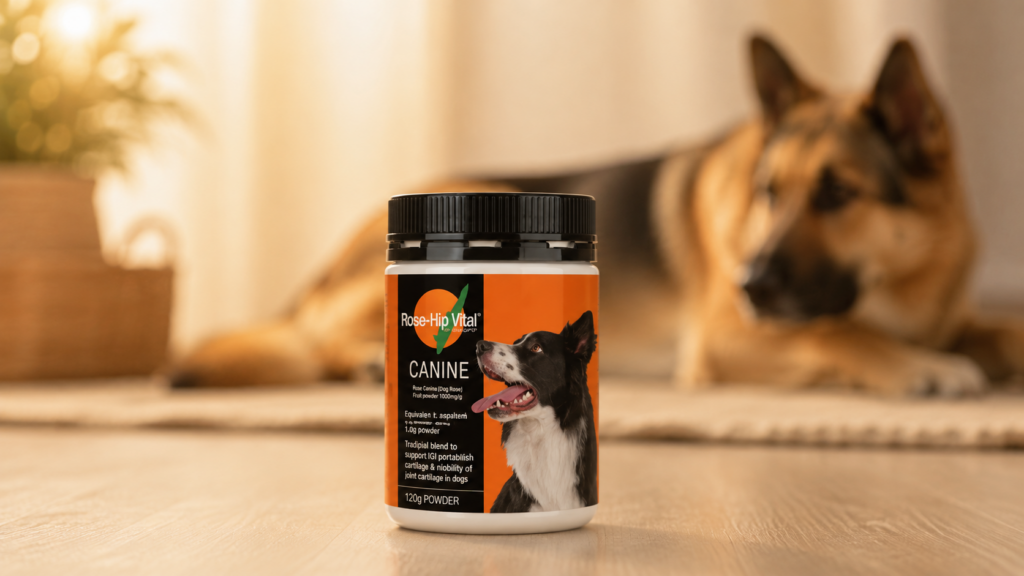
Joint supplements won’t reverse existing joint damage, and it’s worth being upfront about that, but many owners find they’re a useful part of a broader management plan alongside the vet-directed steps above. Rose-Hip Vital’s canine range is made from pure rosehips containing GOPO, a patented compound the brand states is backed by more than 30 scientific studies, including nine double-blind, placebo-controlled trials, and describes as working by helping to reduce inflammation. The brand also states most dogs begin showing signs of improved mobility within about three weeks of consistent daily use. Because these are the brand’s own claims rather than independent clinical findings, it’s sensible to view a supplement like this as support that sits alongside proper veterinary care, not a substitute for it.
Knowing When Surgery Enters the Conversation
Not every dog with hip dysplasia needs surgery, but for dogs with severe joint laxity or advancing arthritis, procedures ranging from a juvenile pubic symphysiodesis in young puppies to a total hip replacement in adults can restore a comfortable, active life. The decision usually comes down to age, severity, and how well a dog is responding to conservative management. It’s a big call financially and emotionally, so lean on your vet’s honest assessment rather than making it in isolation.
Settling Into a Sustainable Long-Term Rhythm
Managing hip dysplasia isn’t a one-off fix, it’s a rhythm you settle into over years: regular vet check-ins, a stable weight, sensible daily movement, and consistent joint support. Most dogs adapt remarkably well once that rhythm is in place, and owners often say the dog they were worried about becomes, in time, just their dog again, happily slower on some days and surprisingly spry on others. Before changing anything about your dog’s diet, exercise, or supplement routine, talk to your vet so the plan actually fits your dog’s diagnosis, age, and needs.