
As people get older, their faces change in ways they do not always welcome. Facial fat gradually decreases, skin loses firmness, and features that once looked defined begin to soften. These changes affect more than surface appearance. The overall structure of the face shifts, which can make the eyes appear sunken, the cheeks hollow, and the jawline less defined.
For many people, dermal fillers offer a practical way to address these concerns. Fillers are designed to restore volume in areas where it has been lost, helping the face regain balance and proportion. By supporting the underlying structure, they can soften harsh lines and improve overall facial harmony without altering natural expressions.
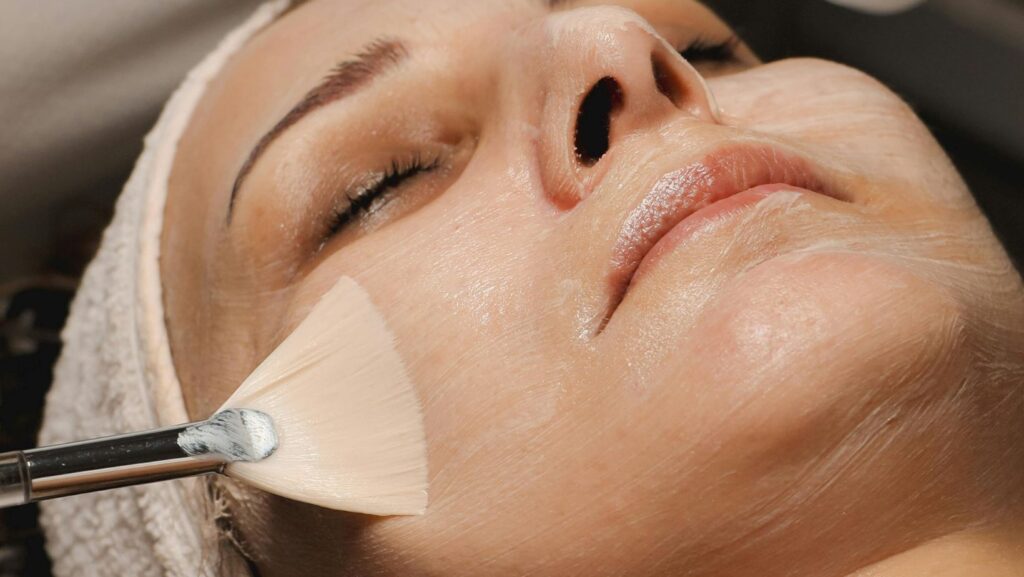
The treatment process itself is usually straightforward. Most filler appointments take between thirty and sixty minutes. At the start, the practitioner cleans the treatment area to reduce the risk of irritation or infection. A numbing cream is then applied to improve comfort during the procedure.
Once the skin is prepared, the practitioner injects the filler using either a fine needle or a cannula, depending on the area being treated. After placement, the area is gently massaged to ensure even distribution of the product. This step helps prevent uneven texture and allows the practitioner to check symmetry before the session ends.
Dermal fillers are generally well tolerated. Some people experience temporary swelling, redness, or light bruising at the injection site. These effects usually settle within a few days. Patients are typically advised to avoid pressing on the treated areas and to limit intense physical activity for a short period after treatment to allow the filler to settle properly.
Results vary from person to person. The type of filler used, the area treated, and how an individual’s body responds all play a role. Hyaluronic acid fillers commonly last between six months and eighteen months. Other options, such as calcium hydroxylapatite or poly-L-lactic acid fillers, can provide results that last up to two years, depending on usage and metabolism.
Product quality has a direct impact on outcome consistency and longevity. Using trusted dermal filler solutions like Dermalax allows practitioners to work with products known for stable texture and predictable performance. These characteristics support controlled volume placement and smoother integration into the skin when applied correctly.

Dermalax is a hyaluronic acid–based filler line developed for precise volume restoration and contour support. The formulations are designed with varying densities, which allows practitioners to select the appropriate product based on treatment depth and facial area. This flexibility supports use in regions such as the cheeks, nasolabial folds, and jawline, where structural support and smooth distribution are essential. Consistent gel behavior also helps reduce the risk of irregular texture when placed correctly.
Choosing the right practitioner is just as important as selecting the product. Patients should review credentials, examine before-and-after examples, and discuss goals in detail before treatment begins. A thorough consultation allows the practitioner to assess facial structure, skin condition, and expectations, reducing the risk of dissatisfaction.
Ongoing care also matters. Facial structure continues to change with age, weight fluctuations, and lifestyle factors. Regular follow-up visits allow practitioners to adjust treatment plans over time, maintaining balance and proportion rather than overcorrecting specific areas.
Dermal fillers do have limitations. They can restore volume and refine contours, but they cannot replace surgical options when there is significant skin laxity or bone loss. A responsible practitioner will explain these boundaries clearly and recommend alternative approaches if fillers are not suitable.
People considering fillers should approach treatment with realistic expectations. Medical history, previous cosmetic procedures, and individual risk factors all influence safety and results. A careful assessment helps determine whether fillers are appropriate and how they should be used.
Restoring facial volume works best as a structured process. Careful planning, appropriate product selection, and skilled application all contribute to stable outcomes. When managed thoughtfully, dermal fillers remain a reliable option for supporting facial volume, symmetry, and a refreshed appearance over time.