
If you’re a homeowner looking to understand the intricacies of your home’s heating system, starting with how your home radiators work is an excellent choice. Radiators are essential components in many homes, and gaining insight into their functionality can help you maintain a comfortable living environment. Before diving into details, consider the resources and options available at Stelrad, a notable provider in the radiator industry.
The Basic Principle of Radiators
Radiators operate primarily on the principle of convection and radiation. They form part of a central heating system that circulates hot water from a boiler or central heating source throughout a series of pipes, each of which leads to a radiator. As hot water enters the radiator, it heats the metal fins or panels of the unit, which subsequently heat the surrounding air through convection. Additionally, radiators emit infrared radiation, warming objects directly in front of them.
Types of Radiators
Understanding the different types of radiators can help you determine which might best suit your home. Here is a brief overview:
- Conventional Radiators: These are commonly found in many homes and consist of a single or double panel of metal that heats up quickly.
- Column Radiators: Characterised by their old-fashioned design, these radiators offer a classic look and provide great heat output.
- Designer Radiators: As the name suggests, these radiators are designed to be visually appealing, often acting as a statement piece in a room while providing adequate heating.
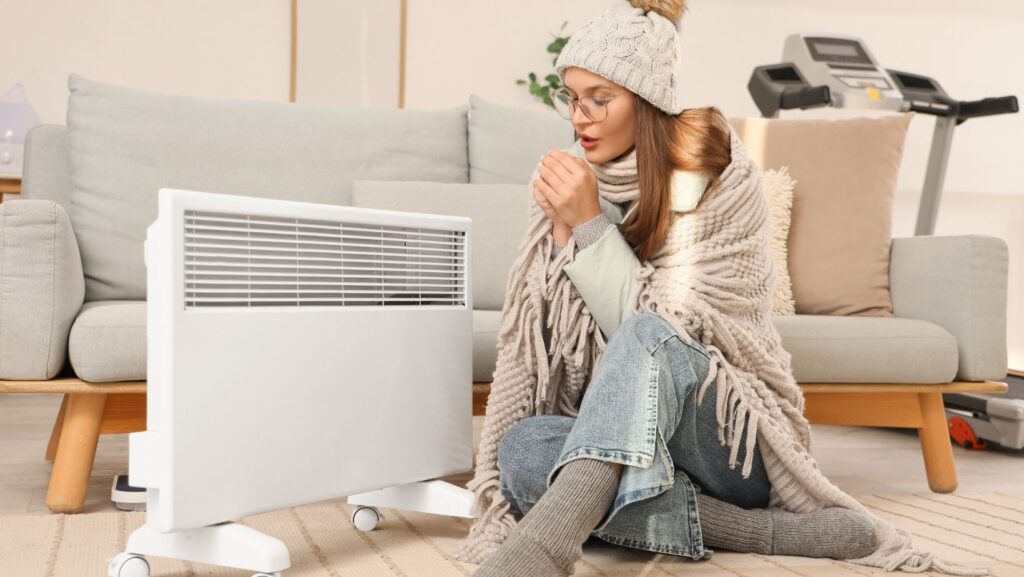
- Electric Radiators: Ideal for homes without a traditional central heating system, these radiators are powered by electricity and offer flexibility in installation.
How a Radiator Heats a Room
Once the hot water fills the radiator, heat is transferred from the water to the metal of the radiator. The hot metal acts as a heat exchanger with the surrounding air; as the air in contact with the radiator is heated, it rises and is replaced by cooler air, creating a convection current.
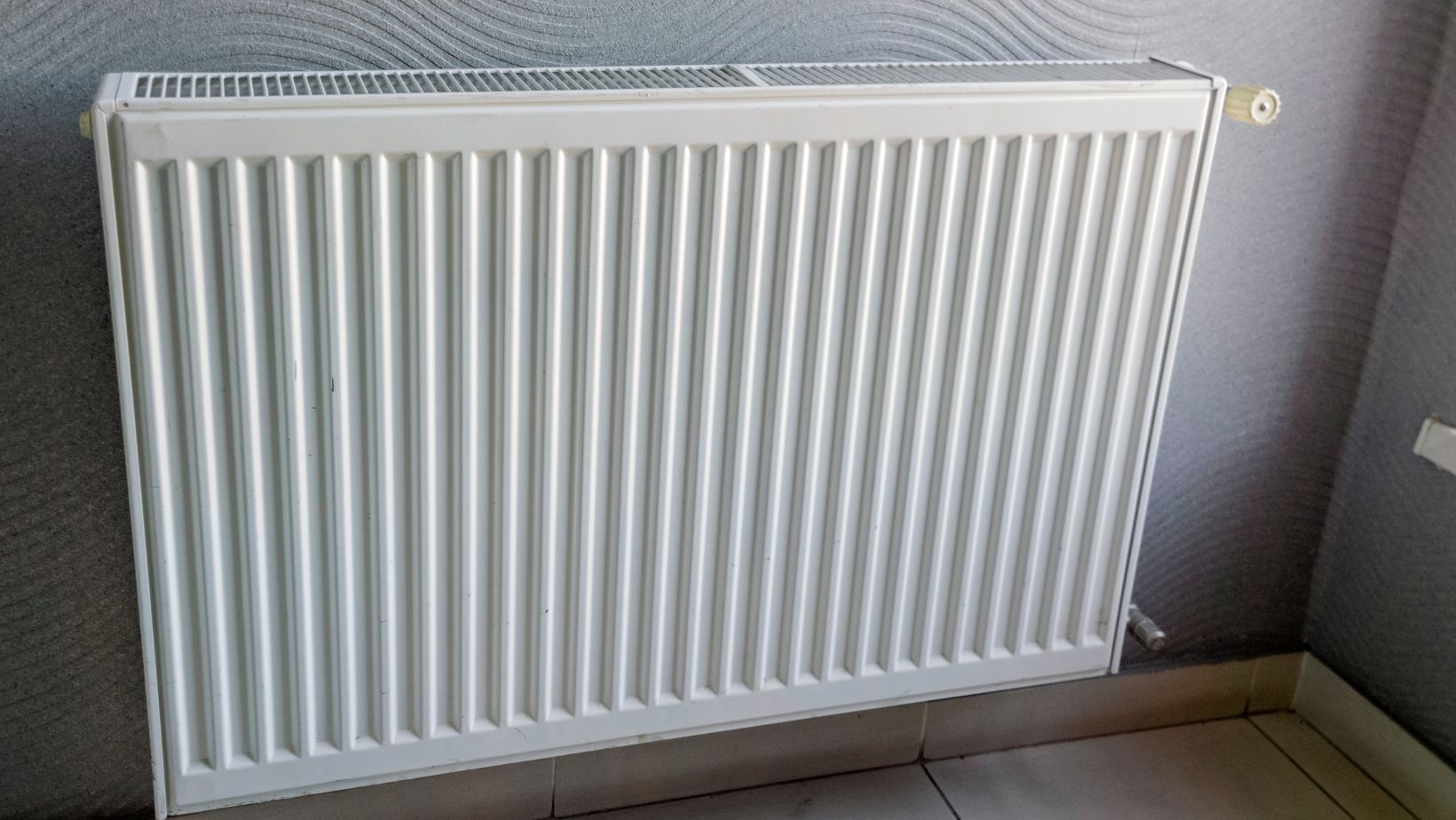
This cycle continues, gradually warming the entire room. Additionally, the radiant heat emitted directly from the surface helps maintain an even temperature distribution.
Importance of Maintenance
Regular maintenance is crucial to ensuring your radiators operate efficiently. Common maintenance tasks include bleeding the radiators to remove trapped air, ensuring balanced heating across all units in the home, and checking for leaks or signs of rust and corrosion. Keeping your radiator system in good condition can help improve energy efficiency and prolong the lifespan of the units.
Common Issues and Troubleshooting
Sometimes, homeowners may encounter issues such as uneven heating or unusual noises coming from the radiator system. Uneven heating could be a sign of trapped air and might be resolved by bleeding the radiator. If a radiator isn’t getting warm, it might be a sign of a blocked pipe or valve, which might require a professional inspection. Regularly monitoring the system’s performance can help identify potential problems early, preventing further complications.
Understanding how radiators work and their role in home heating is beneficial for every homeowner. Being familiar with different types of radiators, how they heat a space, the importance of regular maintenance, and common troubleshooting practices can empower you to make informed decisions regarding the upkeep and improvement of your home heating system.