
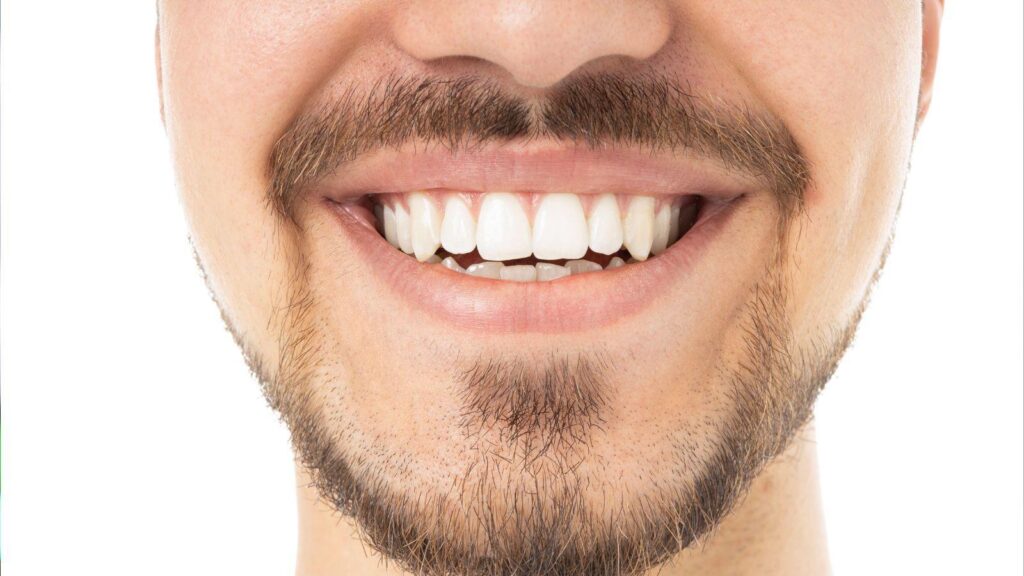
If you need a full set of teeth replaced, you usually do not need an implant for every tooth. Most full-arch solutions use about 4 to 6 implants per arch to securely hold a fixed bridge, while some cases may need more or fewer depending on your jaw and goals — all options worth discussing with a provider of dental implants in Raleigh, NC.
You will learn how implant-supported full arches work, what changes the implant count, and how these options stack up against traditional dentures. This will help you pick a plan that fits your mouth, budget, and lifestyle.
Implant-Supported Full Arch Solutions
You can replace an entire upper or lower arch with implants that anchor a fixed or removable prosthesis. Options differ by implant count, stability, bone needs, and long-term maintenance.
Fixed Implant Bridges
A fixed implant bridge uses several implants to support a non-removable row of replacement teeth. You get a permanent restoration that screws or cements onto implants, so you do not remove it for cleaning.
Most fixed bridges require 4–8 implants per arch depending on bone quality and bite force. With good bone and normal bite, 4 implants can work but may need angled placement or a stronger prosthesis. With higher bite force or weaker bone, 6–8 implants give more support and reduce stress on each implant.
You will need regular dental visits for hygiene and occasional tightening or repairs. Expect better chewing power and stability than removable dentures, but plan for more surgery and higher upfront cost.
All-on-4 Method
All-on-4 uses four implants per arch: two placed vertically in the front and two angled in the back. The angled back implants let you avoid bone grafts in many cases, so treatment can be faster and less invasive.
Your dentist often fits a temporary fixed prosthesis the same day or within a few days. This gives immediate function while the implants heal. Long-term, a stronger final bridge replaces the temporary one after several months.
All-on-4 works well if you have moderate bone loss and want a fixed, non-removable solution with fewer surgeries. It gives strong chewing ability but concentrates forces on fewer implants, so careful planning and ongoing checks are important.
All-on-6 and All-on-8 Approaches
All-on-6 and All-on-8 use six or eight implants to spread biting forces over more anchors. This lowers the load on each implant and improves long-term stability, especially for heavy chewers or people with weaker bone.
You may need bone grafting less often with more implants because clinicians can place them where bone is stronger. Healing can take longer and costs rise with each additional implant, but you gain redundancy—if one implant fails, the prosthesis can often still function while you treat the problem.
These options suit you if you want the most robust fixed solution and can tolerate more surgery and higher cost. Maintenance still requires regular professional care and daily hygiene to protect the implants and prosthesis.
Factors That Influence Implant Quantity
Several practical issues determine how many implants you will need. Bone strength, your health history, and the kind of replacement teeth you choose all change the implant count.
Jawbone Quality and Anatomy
Your jawbone must hold the implant posts firmly. Dense bone lets your dentist place fewer implants because each one bears more load. Thin or soft bone may mean you need more implants or bone grafting before placing fewer, stronger anchors.
Bone shape matters too. Narrow ridges or sinuses in the upper jaw can limit where implants go. That may require angled implants, short implants, or additional grafting. Your dentist will use X-rays or a CT scan to map bone height, width, and density to plan implant number and position.
If you have significant bone loss, expect preparatory steps like grafts or sinus lifts. These steps add time and cost but can let you have a stable full-arch solution with fewer implants later.
Patient Medical History
Your overall health affects healing and implant success. Conditions like uncontrolled diabetes, heavy smoking, or osteoporosis can slow healing and raise risk of implant failure. In those cases, clinicians might recommend more implants for extra support or delay treatment until risks are managed.
Medications such as bisphosphonates or immunosuppressants change surgical planning. Your dentist will review your medical records and may coordinate with your physician to adjust meds or timing. Age alone isn’t a disqualifier, but your ability to maintain hygiene and follow aftercare matters for how many implants make sense.
Type of Prosthetic Restoration
The design of your new teeth strongly affects implant count. A fixed full-arch bridge can often be supported by 4 to 6 implants per arch. An implant-supported denture may need only 2 to 4 implants for a removable prosthesis, but removable options usually have less chewing stability.
If you want individual crowns for every tooth, you’d need more implants—often an implant per missing tooth. Fixed hybrid prostheses that combine a metal bar and acrylic teeth typically use 4–8 implants depending on bite force and arch size.
Discuss your chewing needs, budget, and desire for fixed versus removable teeth with your clinician. That helps select a prosthesis and an implant number that match your function and comfort.
Comparing Implant Options to Traditional Dentures
You will see trade-offs between stability, cost, and upkeep when choosing implant-supported teeth versus removable dentures. Think about how often you want adjustments, how much you can spend now, and how long you want the solution to last.
Benefits of Fewer Implants
Fewer implants (often 2–6 per arch) lower surgery time and upfront cost. With as few as two implants, an overdenture can snap into place and give much better chewing and speech than a loose denture.
Using fewer implants means less bone grafting in many cases. Recovery tends to be quicker, and you may avoid complex surgery if your jaw bone is thin. Fewer implants also reduce the number of parts that can fail, which can mean fewer office visits for repairs.
On the downside, fewer implants usually share more load across each implant. That can limit biting force compared with a full set of individual implants. You should discuss bite strength needs with your dentist, especially if you eat tough foods.
Longevity and Maintenance Considerations
Individual implants with fixed bridges can last decades with good care. You must brush, floss around implant crowns, and see your dentist every 3–12 months for exams and cleanings.
Removable implant-supported overdentures need routine maintenance too. Attachments (balls, bars, or locators) wear out and often need replacement every 1–3 years. The denture base may also need relining as your gums and bone change.
Traditional removable dentures require more frequent adjustments and can accelerate bone loss over time. That can change fit and require new dentures every 5–8 years. Compare lifetime costs: higher implant costs up front often mean fewer replacements and less long-term chair time.