
Engineering projects issues don’t arrive all at once. It sort of builds quietly. Like tolerance slightly off. A fabrication step that wasn’t controlled as tightly as it should’ve been. A delay that throws sequencing off just enough to create friction later.Individually, none of it feels serious. But it accumulates..
On paper, everything can still look correct. Drawings are approved, specs are clear. It all checks out.
However, during execution what tends to happen is the project starts to drift. And usually, the difference between a project that runs clean and one that keeps needing fixes comes down to fabrication and machining more specifically in how they’re done and who’s doing them?
What Creates Project Risk in Engineering Projects
Project risk isn’t just about design mistakes but it’s not the main driver,.Because most risk only shows up during execution.
There’s a tendency to relax once the design is completed.Butthat’s where things start slipping.
You’ll see it in small ways:
- Tolerances are defined clearly but interpreted slightly differently on the machine
- Fabrication gets done though checks aren’t consistent across runs
- Parts look fine on their own however they don’t quite fit when everything comes together
A structural component might pass inspection in the workshop, where everything is within spec..
Then it gets to the site with alignment being slightly off, just enough to cause problems when multiple parts need to work together.
This is the kind of problem you don’t always catch early, and once it shows up, it’s no longer a small fix.Now, it turns into rework and coordination problems between teams that were already working on tight timelines.
So in the end, execution quality is what decides whether the plan actually holds, not the drawings.
How Fabrication and Machining Directly Influence Project Risk
Fabrication and machining are where design actually gets tested, because this is where theory meets reality, and reality tends to be less forgiving than drawings.
Even when the design is solid, things can still shift, since machining tolerances vary.
It can be that material handling isn’t always consistent, operators interpret specs slightly differently, and fabrication and machining don’t always stay perfectly aligned as processes.
Individually, these issues are manageable, but what tends to happen is they start to stack.
For example, a shaft might be w technically fine, but if the surface finish is off, then issues start to show up later, like vibration, or assembly friction.
It’s the same idea with fabricated parts, because something slightly out of square doesn’t seem like a big deal at first, but once installation starts, things don’t line up the way they should.
This is the part people tend to underestimate, because small deviations don’t stay small when they interact with each other.
That’s why fabrication and machining aren’t just production steps, since they act as control points where risk is either contained or quietly introduced.
How the Right Engineering Partner Reduces Risk Before It Appears
A good engineering partner doesn’t just build what’s on the drawing, Instead they question it deliberately.
In practice, this is where you start to see the difference between suppliers and actual partners, and it usually begins with design validation.
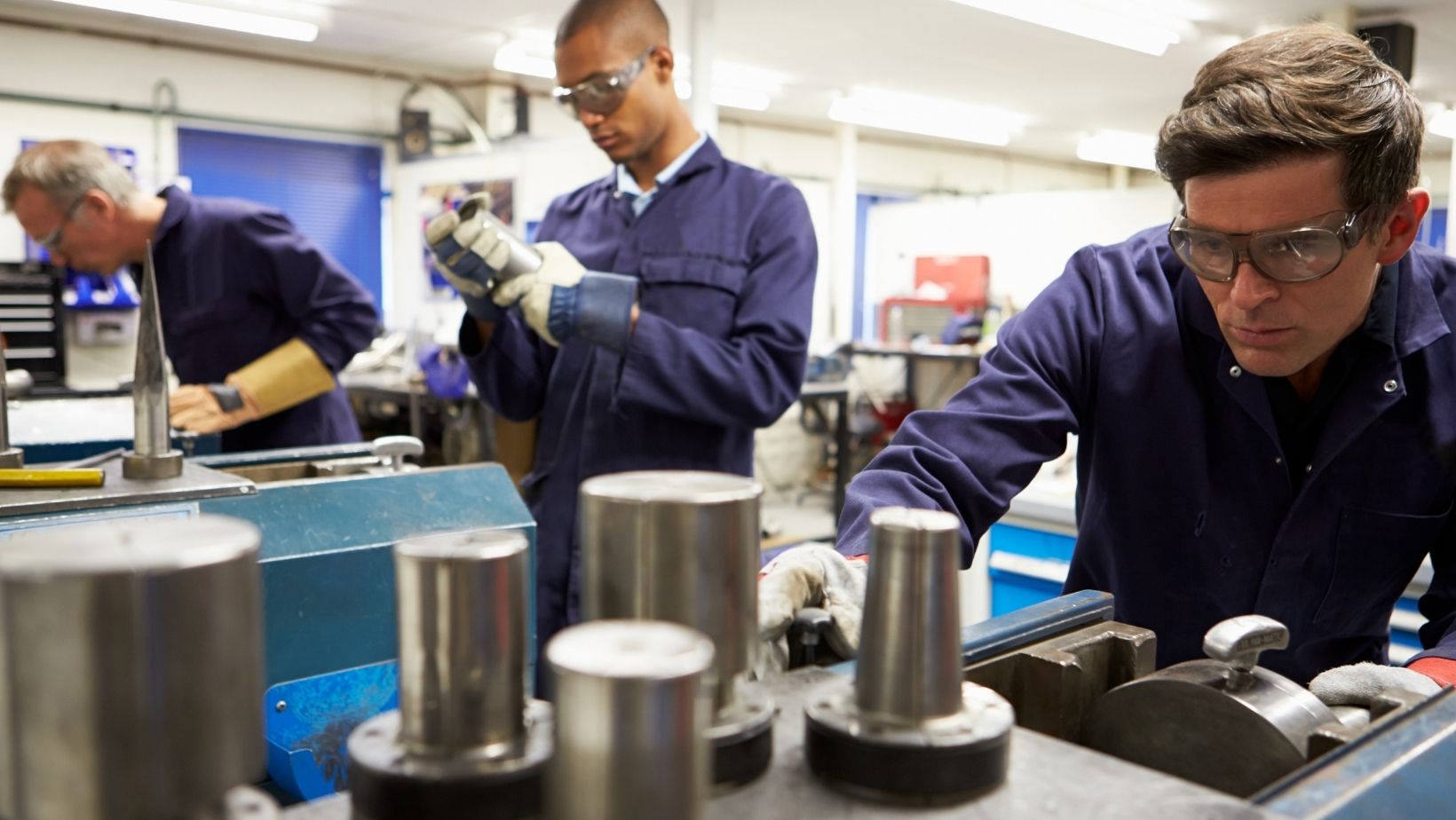
Experienced teams will look at a drawing and think beyond it, considering how it’s going to be fabricated, machined, and assembled, as well as where things might tighten up too much or where something looks fine on paper but won’t behave the same way in production.
Sometimes the feedback is small, like adjusting a tolerance but those small calls tend to prevent bigger issues later.
Then there’s process control. Less experienced setups rely heavily on operator judgment, and while good operators matter, that alone isn’t enough.
Reliable teams build structure around the work, so there are defined steps, checkpoints, and verifications before moving forward. For example, they check critical dimensions mid-process instead of waiting until the end. It’s a basic idea, but it’s not always performed.
Machining is another area where differences show up. There’s a tendency to aim for perfection everywhere, but in reality, not every tolerance needs to be pushed, so the key is knowing which ones actually matter for performance.
Because of that, things can go either way, either overengineering where cost goes up, or underperformance where problems show up later.
And then there’s communication, which is often overlooked. When something doesn’t look right, whether it’s design-related or production-related, it needs to be raised early, because waiting until parts are already made or on-site makes the situation harder to fix.
What tends to happen is issues get noticed but not escalated early enough, and that’s usually when they become expensive.
What Goes Wrong When You Choose the Wrong Partner
Choosing the wrong partner doesn’t usually feel like a mistake at the beginning, because it often feels like a good deal.
Lower cost, a decent timeline, and everything looks fine on paper but usually those targets aren’t met.
Issues tend to show up later, so components need rework because dimensions are slightly off, production takes longer than expected, fitment becomes an issue during installation, and extra labour goes into fixing things on-site.
A common situation is when components arrive and they’re close enough, but not quite. So installation teams adjust them, and while it works eventually, but timeline and cost have to be adjusted.,
What makes it more difficult is that these problems aren’t always immediately noticeable, because these issues don’t show up in the quote, but they shape the actual cost of the project.
It’s not about capability, since the partner can do the work. What breaks down is consistency, and that’s exactly what projects rely on.
How to Evaluate a Fabrication and Machining Partner with Lower Risk
If the goal is to reduce risk, looking at price or equipment alone won’t tell you much, because what matters is how the work actually gets done.
So start with the process. Can they clearly explain how a job moves from design to fabrication to machining, where checks happen, how errors are caught, and what happens when something doesn’t go to plan? If that explanation feels vague, it usually is.
Then there’s engineering input. Good partners don’t just take instructions, because they push back a bit, ask questions, and point out potential issues. It’s not always comfortable, but it’s useful.
Consistency is another factor. Anyone can deliver a good result once, but that doesn’t mean much, because what really matters is whether they can do it again, and again.
Here comes integration. When fabrication and machining are handled together, coordination improves, so there are fewer gaps, fewer handovers, and fewer chances for misalignment between stages. It’s one of those things that seems minor until you’ve seen the opposite.
Where Partner Choice Has the Biggest Impact on Project Outcomes
Not all projects carry the same level of pressure, but once complexity increases, partner choice starts to matter a lot more.
This matters a lot in environments like mining and heavy industry, where loads are high and conditions are harsh. Then in custom fabrication where there’s limited room for iteration, also, infrastructure projects with tight timelines and multiple stakeholders, and especially in repair work where downtime immediately translates to cost.
In these cases, small issues don’t stay contained, so a minor machining deviation that might be manageable elsewhere quickly becomes a bigger problem.
That’s where you start to see the real difference between partners, because experienced teams tend to be more selective in these situations, and that’s not by accident.
Why the Right Engineering Partner Becomes Part of Your Risk Strategy
At some point, the partner isn’t just executing work anymore, because they become part of how risk is managed.
That means they’re involved in identifying issues early, while also keeping processes consistent and setting realistic timelines instead of optimistic ones.
So by the time components are delivered they actually work the way they’re supposed to when installed.
What this changes is how the project actually feels to run, because instead of constantly reacting to issues, what happens is things settle into a more controlled flow with fewer surprises, and while there are still challenges, they tend to be more predictable and easier to manage.
So when you’re working with a partner like Berg Engineering, it’s not just about getting parts made, but about getting parts that fit, align, and behave the way they should.
Conclusion
Project risk doesn’t disappear, it just shifts, and in most cases it builds during execution.
That’s where fabrication and machining come in, since they sit right in the middle of that process, where things either stay controlled or start drifting.
When those stages are handled well, with consistency, and good communication, projects tend to stay on track, but when they’re not handled that way, things become harder to manage.
And that’s usually when teams start to realise how much the partner actually matters.