
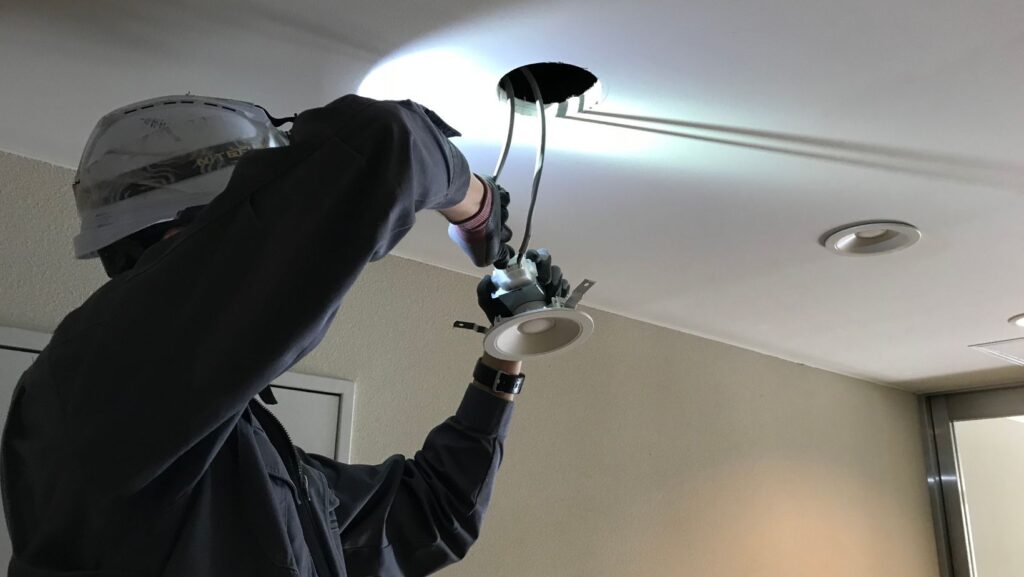
Selecting the correct CAT rating for home electrical testing is a safety decision rather than a specification exercise. Each point in a residential installation carries a different level of available fault energy and exposure to transient overvoltage. The right category ensures the meter can withstand these conditions without failing under load, while also aligning the instrument with the actual testing environment. For technicians and electrical contractors, the process begins by identifying where measurements will be taken and the electrical energy that may be present at that location.
Identify Where The Measurement Will Occur
Choosing the correct category begins by identifying exactly where the measurement will take place within the installation. Final sub-circuits and plug-connected equipment present the lowest fault energy, while distribution boards and incoming supply points are subject to far higher surge exposure. When selecting instruments through established online channels such as the Mektronics tools and instrumentation supplier, the key principle is to rate the meter for the most demanding environment it will face, not the task performed most often.
Measurements on socket outlets and appliances typically align with CAT II, but testing at distribution boards, fixed wiring, or protective devices requires CAT III because of the lower impedance path back to the supply. Work at the service entrance or meter position moves into CAT IV, where the network can deliver the largest transients.
Match The CAT Rating To Fault Energy Levels
The category reflects the meter’s ability to survive impulse events rather than its accuracy. A residential switchboard can deliver high prospective fault current, which increases the energy behind voltage spikes caused by switching or fault clearing. Selecting CAT III for this environment ensures that the internal protection of the instrument can withstand these events.
At the origin of the installation, the available energy rises further. Incoming mains, earthing systems, and external connections require CAT IV because they are electrically closest to the utility supply. Choosing a lower category in these locations exposes the user to the risk of meter rupture if a surge occurs during testing.
Read Voltage And CAT Rating Together
The voltage marking and the category form a single safety envelope. A CAT III 1000 V instrument has a higher impulse withstand voltage than a CAT III 600 V unit, even though both are suitable for the same installation level. For residential testing, selecting a higher voltage rating within the correct category provides additional resilience against unexpected transients without changing measurement procedures.
This approach is particularly relevant in modern homes where distributed energy resources and high-load circuits can alter the transient profile of the system.
Select One Category For All Intended Tasks
Many technicians prefer to carry a single meter for efficiency. In this case, the correct choice is based on the most demanding measurement the instrument will perform. If testing will include switchboard verification or submains, CAT III becomes the practical minimum. If work extends to supply connections or meter panels, CAT IV is the appropriate selection.
Using a higher category than required does not affect normal operation, but it ensures the instrument remains protected when conditions change or when unexpected testing at a higher-energy point is required.
Consider The Installation’s Transient Environment
Even in residential settings, switching of inductive loads, fault conditions, and network disturbances generate overvoltage transients that propagate through the wiring system. The closer the test point is to the source, the higher the available prospective short-circuit current (PSCC) and the greater the energy behind these events. Category selection, therefore, reflects electrical distance from the supply rather than the physical size of the building.
Understanding this relationship allows technicians to choose a meter that remains safe across all typical residential testing scenarios.
Align The CAT Rating With Safe Work Practice
Correct category selection supports compliance with recognised electrical safety frameworks and reduces the likelihood of instrument damage. More importantly, it ensures the meter’s protective design can contain an internal fault if a high-energy surge occurs during measurement.
For tradespeople performing verification, fault finding, or installation work, the appropriate CAT rating is part of the overall risk control strategy. It confirms that the instrument is designed for the environment in which it is being used.
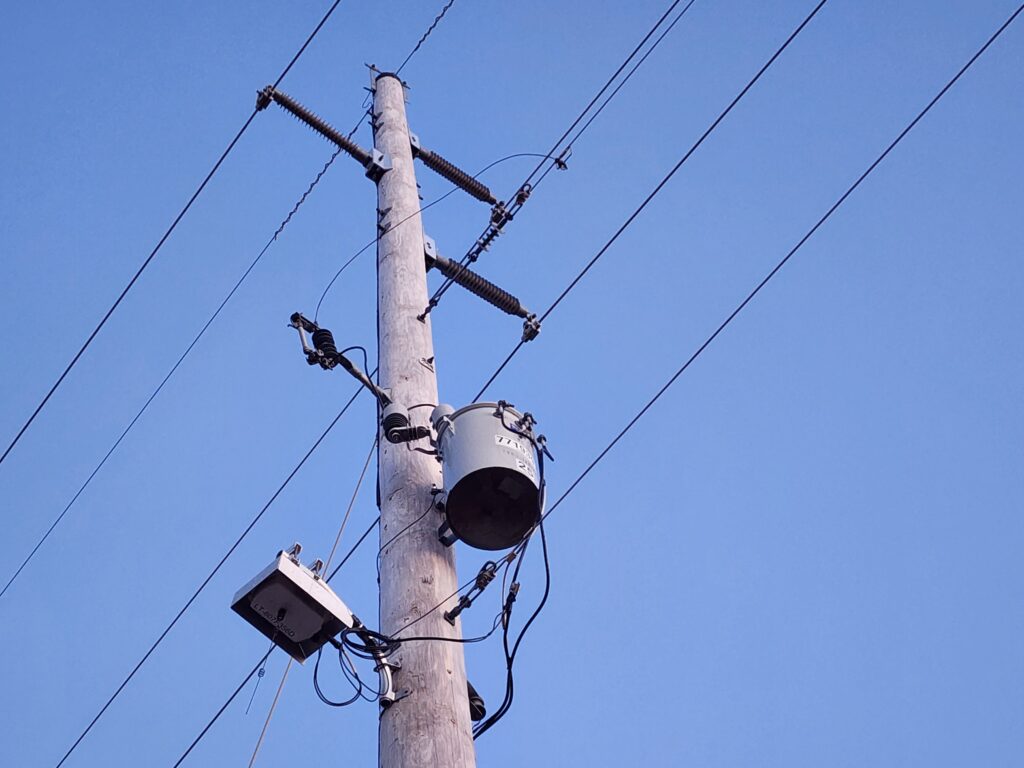
The Right CAT Rating For Every Test Scenario
Choosing a CAT rating for home electrical testing is a structured process based on the measurement location, the available fault energy, and the highest-energy task the instrument will perform. CAT III covers most work within the installation, while CAT IV is required at the point of supply. Reading the voltage rating together with the category provides a complete safety margin, ensuring the meter can withstand real residential transient conditions while maintaining reliable operation.