
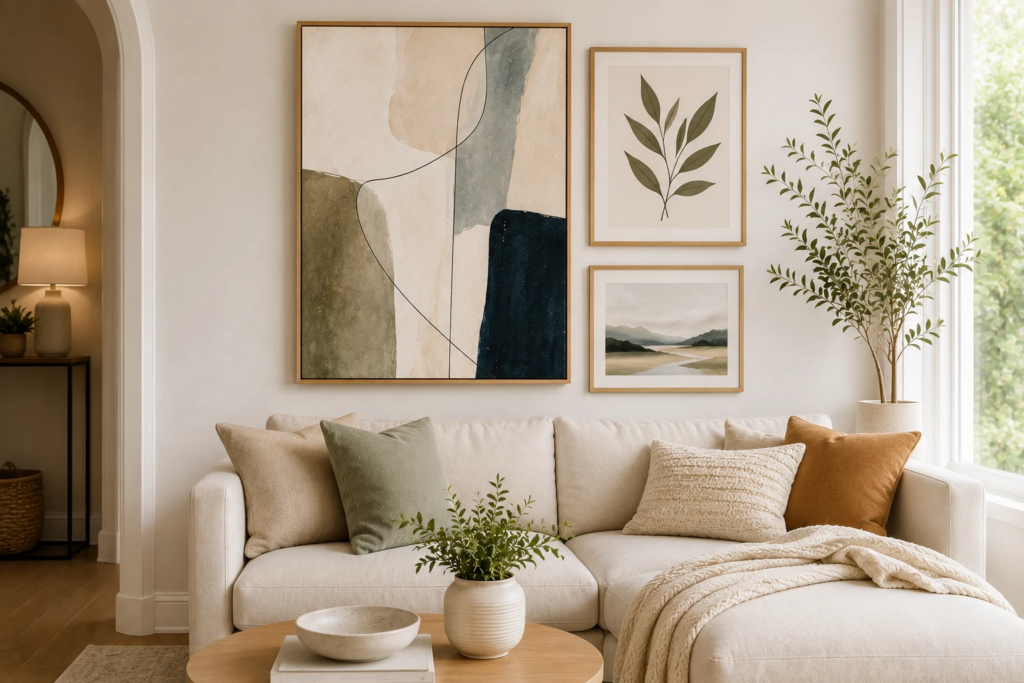
Selecting the right artwork for your living space or corporate environment is an investment that goes far beyond simple decoration. One of the most prevalent anxieties among new and seasoned art buyers alike is committing significant resources to a piece, only to find that it looks hopelessly dated within a half-decade. Interior design is notorious for its rapid trend cycles, which frequently pull specific artistic styles along for the ride. We have all witnessed the rise and fall of mass-produced inspirational typography, neon acrylic signs, and hyper-geometric pastel prints. Selecting pieces that will maintain their aesthetic integrity and relevance over time requires a deliberate approach, focusing heavily on personal resonance, quality materials, and originality, rather than the fleeting visual demands of modern social media algorithms.
Prioritize Emotional Resonance Over Current Design Trends
The absolute most effective method for building a collection that defies the passage of time is to prioritize a profound, personal connection with the visual subject matter. Interior design trends are intentionally designed to be cyclical and temporary, pushing consumers to constantly refresh their surroundings. If your primary motivation for acquiring a painting is that it perfectly matches the current color of the year or fits a presently trending core aesthetic, you are anchoring that artwork to a highly specific, expiring timeframe. In contrast, when you invest in a piece because it stirs a genuine emotion, challenges your intellect, or recalls a deeply cherished memory, its intrinsic value to you becomes permanent. True artistic appreciation effortlessly outlasts the rapid, commercially driven turnover of aesthetic fads.
Crucial Questions to Ask Before Purchasing Art
- Does this artwork evoke a strong personal emotion or memory, independent of the specific room I currently plan to put it in?
- Would I still proudly display this piece if its specific style was entirely ignored by current mainstream interior design publications?
- Is my attraction to this piece based on its intrinsic beauty and composition, or simply because I have seen similar pieces repeatedly on social media feeds?
- Does the subject matter hold enduring significance to my life, personal interests, or philosophical worldview?
Seek Out Original Craftsmanship and Timeless Mediums
Another critical defense against a quickly aging interior is to actively seek out original works or strictly limited edition pieces instead of relying on mass-produced commercial decor. Commercial art is explicitly engineered to capitalize on immediate consumer trends, resulting in market saturation that quickly leads to visual fatigue. An original oil painting, a meticulously hand-pulled screen print, or a distinct bronze sculpture carries the irreplaceable mark of human craftsmanship. The value of true artistic endeavor does not expire with the changing of the calendar year. To discover unique, enduring pieces that bypass commercial churn, you can browse carefully curated platforms like https://tryartwork.com/, which provide access to artists creating work outside the confines of temporary fads. Furthermore, traditional mediums like oil, charcoal, and marble have commanded aesthetic respect for centuries, lending a foundational historical weight that prevents the piece from ever feeling like a disposable novelty.
Elements That Tend to Date Artwork Quickly
- Hyper-specific, heavily promoted seasonal color palettes that completely dominate the entire composition of the artwork.
- Experimental, novelty materials that are closely tied to the era of their invention, such as early-generation digital rendering styles or poured resin waves.
- Overtly commercial motifs, trendy typography, or ubiquitous pop-culture references that lack deeper satirical or conceptual meaning.
- Mass-produced canvases that attempt to mimic the texture of original paintings through artificial, machine-applied gloss or printed brushstrokes.
The Importance of Adaptable and Classic Presentation
Finally, it is crucial to understand that the physical presentation of the artwork is frequently the element that dates it the fastest. Even a masterful, genuinely timeless painting can be severely compromised by an excessively trendy or stylistically rigid frame. Ornate, intentionally distressed, or heavily patterned frames quickly anchor a piece to the specific era in which that framing style was popular. To ensure your art remains effortlessly adaptable to any future changes in your home interior design, you should consistently opt for minimalist, gallery-style framing. Utilizing simple, clean lines in natural woods, solid blacks, or crisp whites renders the presentation virtually immune to the passage of time. Pairing this with a generous, archival-quality white mat allows the artwork to command the viewer’s full attention without the distracting interference of outdated peripheral aesthetics. By adhering to classic presentation methods, your art will seamlessly transition and adapt, even if your personal taste in furniture evolves dramatically over the next five years.