
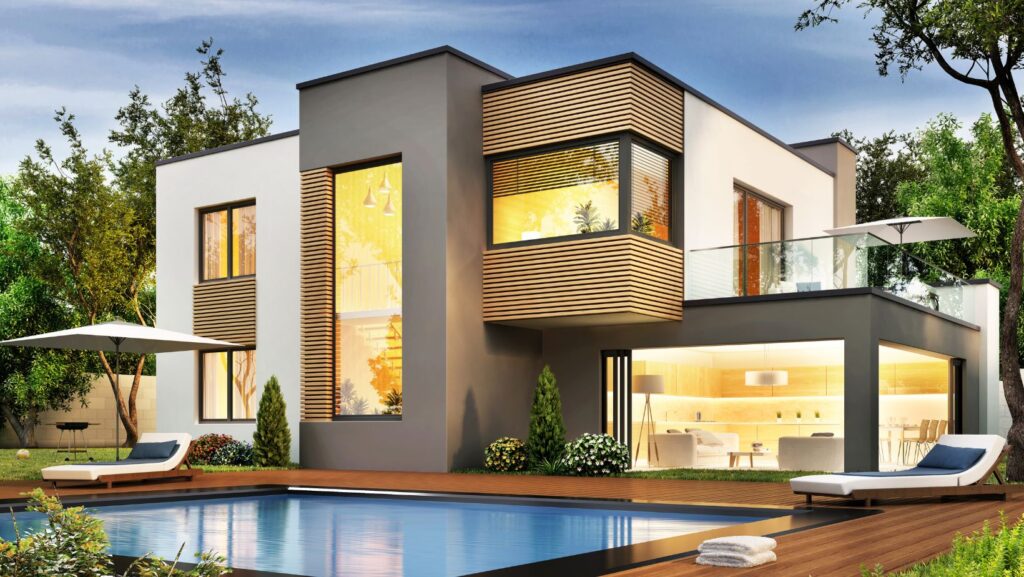
A house can feel quiet and understated during the day, then completely transform once night falls. Strategic exterior lighting reveals details in trim, stonework, arches, and rooflines that natural light can flatten. Shadows and highlights create depth, while carefully placed fixtures guide the eye across the structure. Thoughtful outdoor lighting gives architecture a voice after sunset.
Great results start with intention, not excess. Many homeowners explore luxury outdoor lighting to understand how scale, material, and beam direction shape the final look. In this guide, we will break down fixture types and placement techniques that emphasize form, proportion, and craftsmanship. Each idea focuses on enhancing architectural character rather than overpowering it.
Grazing Light to Emphasize Surface Detail
Grazing light sits close to a wall and directs illumination upward or downward along its surface. This technique works beautifully on textured stone, brick, and vertical wood slats. The shallow beam angle exaggerates natural irregularities, which adds richness to flat façades.
Place linear fixtures or narrow beam lights a few inches from the wall to achieve this effect. The closer the source, the stronger the shadow play. Grazing brings subtle drama to architectural finishes without adding bulky hardware that distracts from the structure.
Recessed Step and Stair Lights for Structural Flow
Exterior stairs and tiered patios offer an opportunity to integrate light directly into the architecture. Recessed step lights blend into risers and create a floating appearance at night. They define transitions between levels while preserving clean sightlines.
Where Step Lights Work Best
- Built directly into concrete or stone stair risers for seamless integration.
- Installed along retaining walls to highlight elevation changes.
- Positioned under capstones to produce a soft downward glow.
Architectural Spotlights for Feature Elements
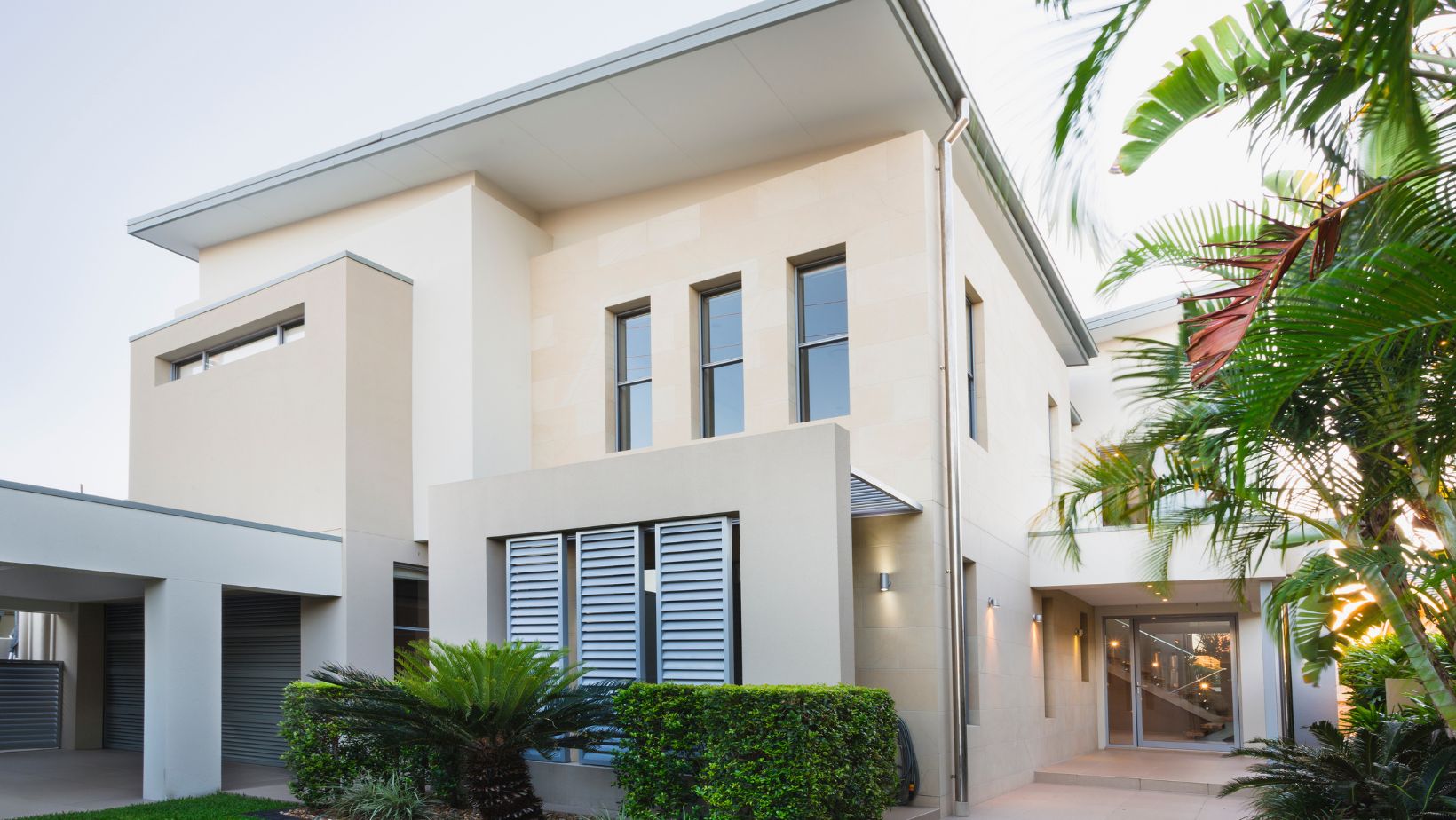
Every home has a focal point worth highlighting. It may be an arched doorway, decorative columns, or a custom wood garage door. Spotlights draw attention to these features without flooding the entire façade with brightness.
Aim beams carefully to frame the element rather than wash it out. Use moderate intensity to keep the effect elegant. Luxury outdoor lighting usually demonstrates how focused illumination elevates craftsmanship and reinforces a home’s unique identity.
Pendant and Lantern Fixtures for Defined Entry Zones
An entryway deserves more than basic illumination. Outdoor pendants or lantern fixtures can anchor the doorway and reinforce architectural symmetry. Choose shapes that echo window frames or rooflines to maintain design continuity.
Entry Fixture Considerations
- Select proportions that fit the door height and surrounding trim.
- Use clear or lightly frosted glass to control brightness.
- Keep finish tones aligned with exterior hardware.
Silhouette Lighting for Landscape Framing
Silhouette lighting positions a light source between the house and a plant or sculpture. This placement creates a bold outline against walls and fences. It adds dimension to exterior architecture by incorporating landscaping into the visual composition.
Trees with interesting branch patterns work especially well with this technique. Keep the beam soft to prevent harsh contrast. The goal is to enhance the structure’s background rather than compete with it.
Linear Strip Lighting for Contemporary Edges
Modern homes benefit from discreet linear lighting that traces architectural lines. LED strip fixtures installed beneath handrails, under bench seating, or along roof overhangs create clean edges. This method highlights geometry without visible hardware.
Conceal strips within grooves or architectural recesses for a seamless finish. Maintain consistent light temperature throughout the exterior to preserve cohesion. Linear lighting feels subtle during the day and refined after dark.
Bollard Lights for Spatial Definition
Bollard lights offer vertical structure within driveways and courtyard spaces. Their upright form introduces rhythm while defining boundaries. Choose slim, minimal designs for modern homes or slightly detailed versions for traditional settings.
Even spacing keeps the layout organized and prevents visual clutter. Bollards should complement architectural proportions rather than dominate them. When thoughtfully positioned, they guide movement and reinforce symmetry across the exterior.
Material Contrast to Enhance Depth
Exterior lighting fixtures should support architectural materials rather than compete with them. Matte black fixtures contrast beautifully against pale stone. Aged brass pairs well with warm brick tones. Textured bronze blends seamlessly with natural wood siding.
Consistency across fixtures strengthens visual harmony. Avoid mixing too many finishes that distract from the façade. Luxury outdoor lighting collections usually highlight how cohesive material selection amplifies architectural depth and ensures a refined nighttime presence.
High-end outdoor fixtures reveal a home’s character after sunset through direction, contrast, and thoughtful placement. Grazing light enhances texture, recessed fixtures integrate seamlessly, and spotlights elevate focal features. Linear strips and bollards define structure without visual clutter, while entry pendants reinforce symmetry. When materials and beam angles align with architecture, the result feels balanced and intentional.